

WASHINGTON — Taxpayers are expected to save billions after the Biden administration inked deals with pharmaceutical companies to knock down the lists prices for 10 of Medicare's costliest drugs.
But how much older Americans can expect to save when they fill a prescription at their pharmacy remains unclear, since the list cost isn't the final price people pay.
After months of negotiations with manufacturers, list prices will be reduced by hundreds — in some cases, thousands — of dollars for 30-day supplies of popular drugs used by millions of people on Medicare, including blood thinners, diabetes drugs and blood cancer medications. The reductions, which range between 38% and 79%, take effect in 2026.
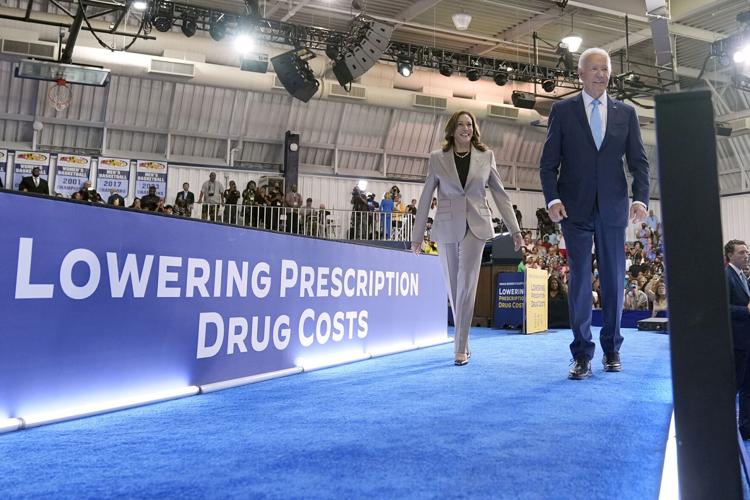
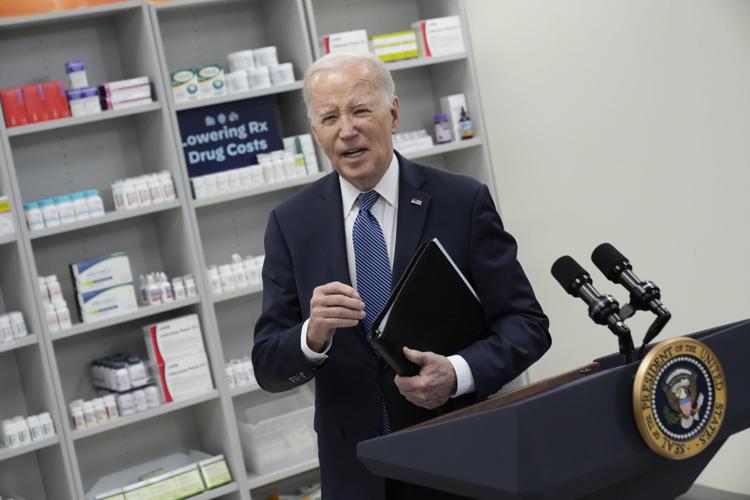
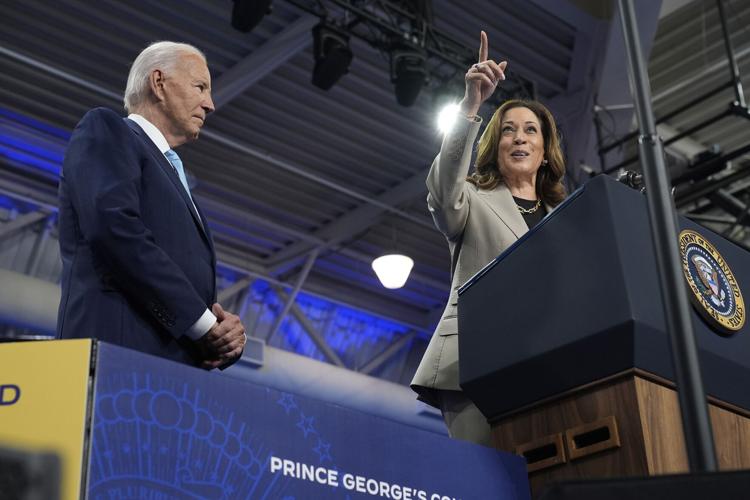
“I’ve been waiting for this moment for a long long time,” Democratic President Joe Biden said Thursday during his first policy-oriented appearance with Vice President Kamala Harris since leaving the presidential race. “We pay more for prescription drugs, it’s not hyperbole, than any advanced nation in the world.”
People are also reading…
Taxpayers spend more than $50 billion yearly on the 10 drugs, which include popular blood thinners Xarelto and Eliquis and diabetes drugs Jardiance and Januvia.
With the new prices, the administration says savings are expected to total $6 billion for taxpayers and $1.5 billion overall for some of the 67 million people who rely on Medicare.
Details on those calculations, however, have not been released. The White House said it could not provide an average cost-savings for individual Medicare enrollees who use the drugs.
That's because there are a number of factors — from discounts to the coinsurance or copays for the person's Medicare drug plan — that determine the final price a person pays when they pick up their drugs at a pharmacy.
The new drug prices are likely to most benefit people who use one of the negotiated drugs and are enrolled in a Medicare plan with coinsurance that leaves enrollees to pay a percentage of a drug's cost after they've met the deductible, said Tricia Neuman, an executive director at the health policy research nonprofit KFF.
"It is hard to say, exactly, what any enrollee will save because it depends on their particular plan and their coinsurance," Neuman said. "But for the many people who are in the plans that charge coinsurance, the lower negotiated price should translate directly to lower out-of-pocket costs."
Those savings won't kick in until 2026. Until then, some Medicare enrollees should see relief from drug prices in a new rule starting next year that caps how much they pay annually on drugs to $2,000.
Harris, however, wasted no time Thursday campaigning on the new drug deals, especially since no Republicans supported the law, called the Inflation Reduction Act, and it barely passed Congress in 2022.
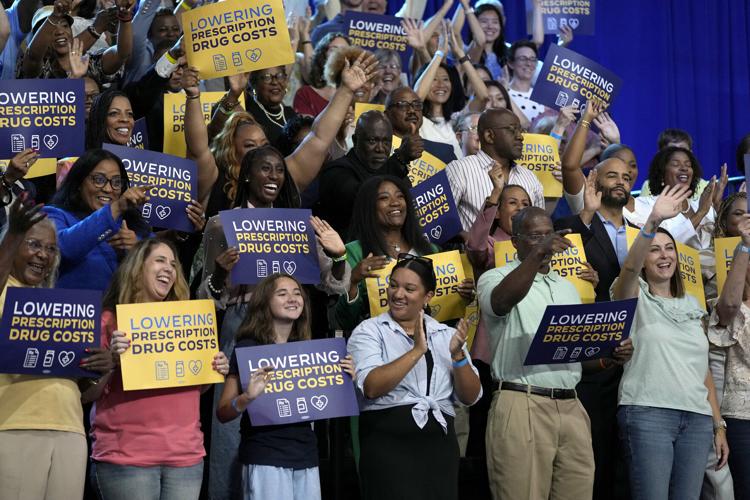
"Two years ago, as vice president, I was proud to cast the tie-breaking vote that gave Medicare the power to negotiate," Harris said to cheering crowds. "In the two years since, we've been using this new power to lower the price of life-saving medication."
Prior to dropping out of the race, Biden centered his reelection bid around lowering health care and drug costs.
Powerful drug companies unsuccessfully tried to file lawsuits to stop the negotiations.
For years, Medicare was prohibited from such dealmaking. But the drug companies ended up engaging in the talks, and executives hinted in recent weeks during earnings calls that they don't expect the new Medicare drug prices to impact their bottom line.
Instead, they warned Thursday that the new law could drive up prices for consumers in other areas. Already, the White House is bracing for a jump in Medicare drug plan premiums next year, in part because of changes under the new law.
"The administration is using the IRA's price-setting scheme to drive political headlines, but patients will be disappointed when they find out what it means for them," said Steve Ubl, the president of the lobbying group Pharmaceutical Research and Manufacturers of America.
The criticism is ironic, health law expert Rachel Sachs of Washington University said. Drug companies typically supported capping the price older Americans pay for drugs because they don't eat the cost — insurers or Americans who pay premiums do.
"It makes it easier for patients to afford their medications. It expands their market. They make more money," said Sachs, who helped advise the Biden administration on implementation of the law.
A look at the drugs and the negotiated prices
Januvia
Manufacturer: Merck Sharp Dohme
Conditions: Diabetes
Negotiated price: $113 for a 30-day supply
Reduction: 79%
Fiasp; Fiasp FlexTouch; Fiasp PenFill; NovoLog; NovoLog FlexPen; NovoLog PenFill
Manufacturer: Novo Norodisk
Conditions: Diabetes
Negotiated price: $119 for a 30- day supply
Reduction: 76%
Farxiga
Manufacturer: AstraZeneca AB.
Conditions: Diabetes, heart failure and chronic kidney disease
Negotiated price: $178.50 for a 30-day supply
Reduction: 68%
Enbrel
Manufacturer: Immunex Corp.
Conditions: Rheumatoid arthritis, psoriasis and psoriatic arthritis
Negotiated price: $2,355 for a 30-day supply
Reduction: 67%
Jardiance
Manufacturer: Boehringer Ingelheim
Conditions: Diabetes, heart failure and chronic kidney disease
Negotiated price: $197 for a 30-day supply
Reduction: 66%
Stelara
Manufacturer: Janssen Biotech Inc.
Conditions: Psoriasis, psoriatic arthritis, Crohn’s disease, ulcerative colitis
Negotiated price: $4,695 for a 30-day supply
Reduction: 66%
Xarelto
Manufacturer: Janssen Pharms
Conditions: Prevention and treatment of blood clots. Reduction of risk for patients with coronary or peripheral artery disease
Negotiated price: $197 for a 30-day supply
Reduction: 62%
Eliquis
Manufacturer: Bristol Myers Squibb
Conditions: Prevention and treatment of blood clots
Negotiated price: $231 for a 30-day supply
Reduction: 56%
Entresto
Manufacturer: Novartis Pharms Corp
Conditions: Heart failure
Negotiated price: $295 for a 30-day supply
Reduction: 53%
Imbruvica
Manufacturer: Pharmacyclics LLC
Conditions: Blood cancers
Negotiated price: $9,319 for a 30-day supply
Savings: 38%


