

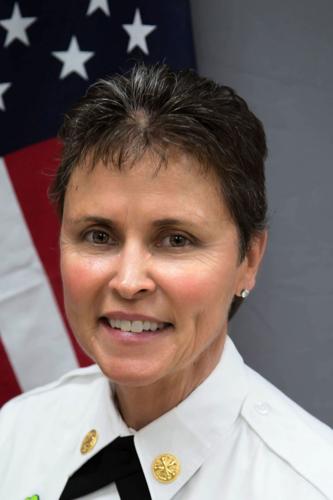
With Santa Cruz County facing one of the highest rates of COVID-19 cases in the state, Tubac Fire Department Fire Chief Cheryl Horvath knew that a vaccine is what’s needed to bring an end to the pandemic.
But a vaccine requires human volunteers as test subjects.
Horvath had never taken part in a clinical research trial before and was a little concerned about the risk, but she said she wanted to do something that would help her community and also protect her firefighters. So after some research, she signed up.
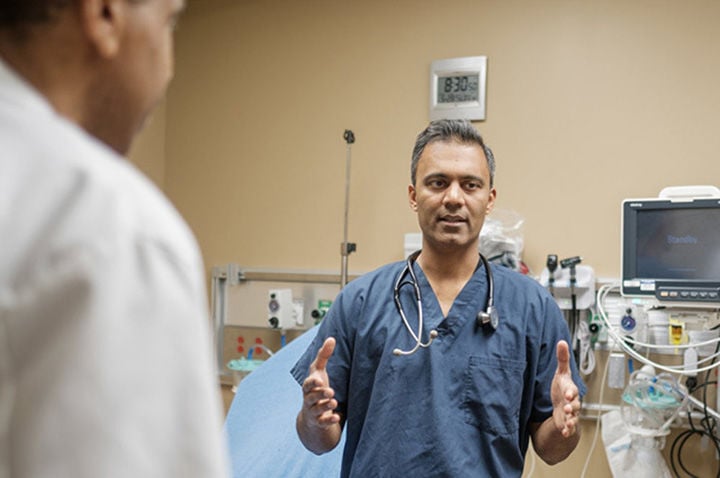
Rep. Amish Shah, D-Phoenix, knows all about the risks involved in clinical trials from his 19 years working as a doctor. But he also knows the safeguards. And Shah, like Horvath, wanted to help.
“Having a familiarity with it, I felt comfortable volunteering for it,” Shah said. “I understand the risk and benefits of what is involved, and I think it’s a service to humanity.”
People are also reading…
They are just two of the tens of thousands of people across the country who have volunteered to be test subjects for pharmaceutical companies racing to come up with a vaccine to fight the coronavirus that had infected 10.7 million and killed 244,269 Americans as of Friday, according to data from Johns Hopkins University. The total number of positive cases in Arizona since the pandemic started now stands at 276,912 with the death toll at 6,302, as of data released Monday.
Their work may be paying off. Pfizer announced last week that one of their vaccines was approved for an emergency use authorization by the Food and Drug Administration.
On Monday, Moderna reported that its vaccine appears to be 94.5% effective, according to preliminary data from its ongoing study. A week ago, competitor Pfizer Inc. announced its own vaccine appeared similarly effective — news that puts both companies on track to seek permission within weeks for emergency use in the U.S.
But, being a test subject is not without risks. Johnson & Johnson and Eli Lilly both temporarily halted their trials last month after an individual Data Safety and Management Board recommended a pause in recruitment when one of their subjects potentially developed side effects from the vaccine.
But those trials started back up again a few weeks later after that oversight board recommended it.
Shah said that’s how the process is supposed to work. He said there are side effects with anything done in medicine, and a participant developing side effects is the very reason clinical trials exist.
“That is something that is built into their protocols, too,” Shah said. “They know that they have to monitor people carefully, look for those side effects, and then have a plan for when those occur.”
“They typically will take care of that person on their dime,” Shah said. “And they will then decide, based on everything that has happened to that person whether or not to continue or pause the trial.”
Shah said the first step in a clinical trial is determining who is eligible for the vaccine trials, which is determined through a lengthy medical screening. After that, researchers will start an administrative file and inform the participant of any and all risk involved.
“Once you throw your hat into the ring, they send you quite a bit of information,” said Horvath. When she learned of all the risks involved, including the fact that she would not receive a live strain of the virus, it put her at ease.
The next step is testing participants with a nasal swab and blood-antibody tests to determine if they currently have COVID-19, or had it in the past. Finally, participants will receive either the vaccine or a placebo, which is most likely a saline solution.
One month later, participants return, and the same procedure would be performed a second time.
While some people might be hesitant to volunteer for these vaccine trials, Shah said this is standard for clinical research from his own work in the medical field, and now as the subject of one in Phoenix.
He said he learned of the need for test subjects after seeing an article in the newspaper that talked about COVID-19 vaccine trials taking place in Phoenix. Shah did not hesitate to call the number in the article — he said he knew he had to volunteer.
Working as an academic researcher and full-time faculty at Mount Sinai Medical Center in New York City gave him both the knowledge and experience to trust in the system of clinical trials.
Shah, a first-generation American, also knows that Asian-Americans are not a well-represented group in the study, and he wants to make sure that if people like him get the vaccine, they will be safe. Shah said researchers continue to struggle with recruiting minorities, but he hopes to use his own experience to educate the community.
“They were having trouble having certain underrepresented groups be in the trial,” Shah said. “I passed on that information to a lot of my friends who are members of those groups.”
Gilberto Lopez, associate professor of Transborder Studies at Arizona State University, said part of the reluctance to volunteer among minorities comes from historic abuses. He said that history needs to be addressed when researchers try to recruit a more diverse group for clinical trials.
Communicating in the potential subject’s language is one way to narrow the gap, along with using culturally tailored and relevant information. Lopez said he is working with Creative Frontiers, an international marketing agency, along with the University of North Carolina, to increase the number of Hispanics in COVID-19 vaccine research.
“We are creating a series of Spanish language animations that explain clinical trials, the COVID-19 vaccine, and what to expect in their participation of the clinical trial,” in addition to their rights as trial participants, Lopez said.
For many, it’s a question of addressing fears. Horvath said that the lab she goes to in Tucson for her part in the study takes all standard precautions to protect volunteers by testing initially and regularly throughout the study.
As someone approaching the 65-and-up population, Horvath is considered more vulnerable to the virus than a younger person, but said she “just felt like I would have been a good subject” for this. After reading up on the vaccine and having any questions she had answered at her first orientation, she “wasn’t too concerned after that.”
“I don’t get sick very often,” she said. “I felt like the risk was low enough that I was relatively comfortable doing it.”
Photos: Tucsonans Don Masks to help curb Coronavirus
Tucsonans wearing masks, coronavirus
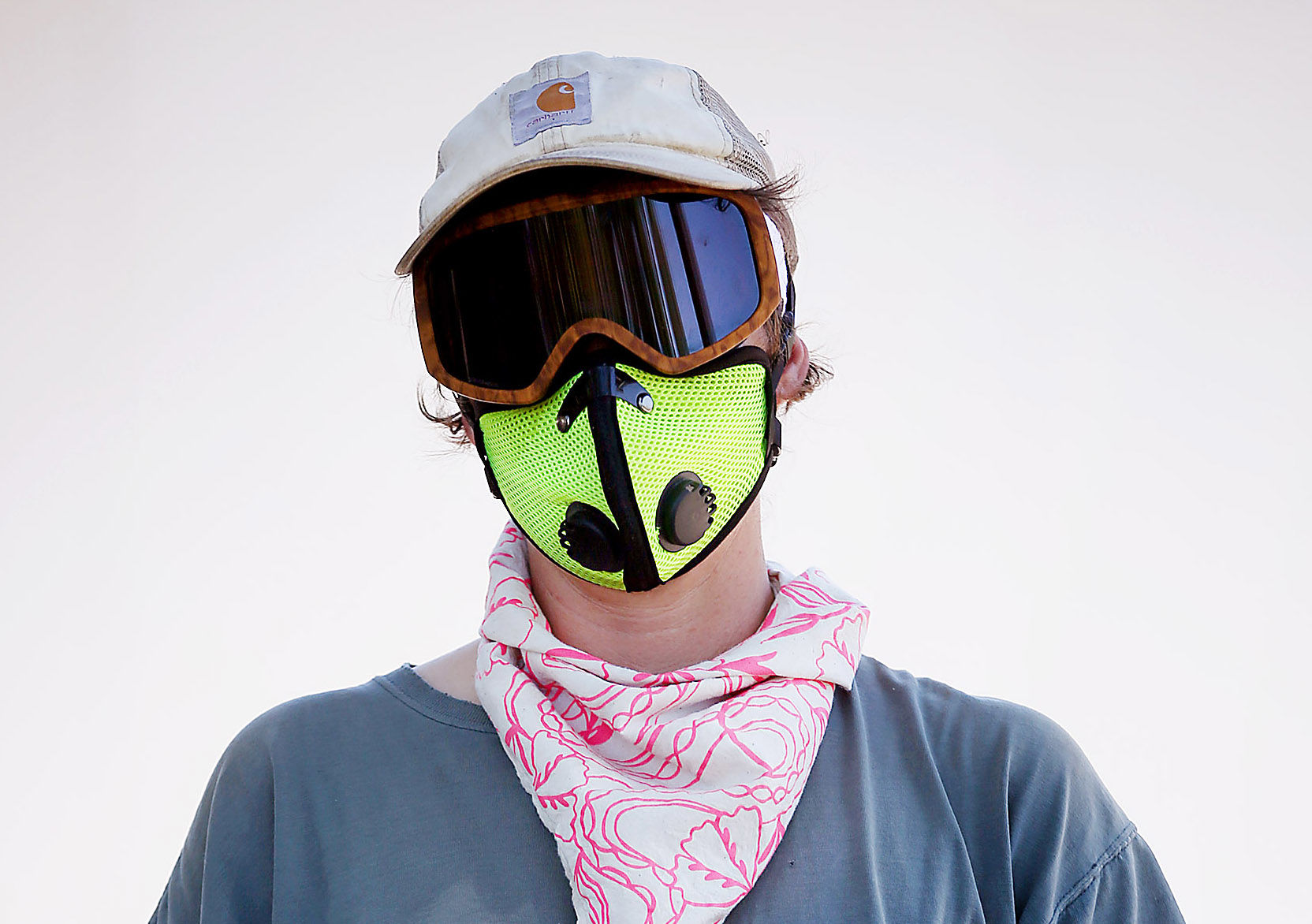
Tucsonans wearing masks, coronavirus
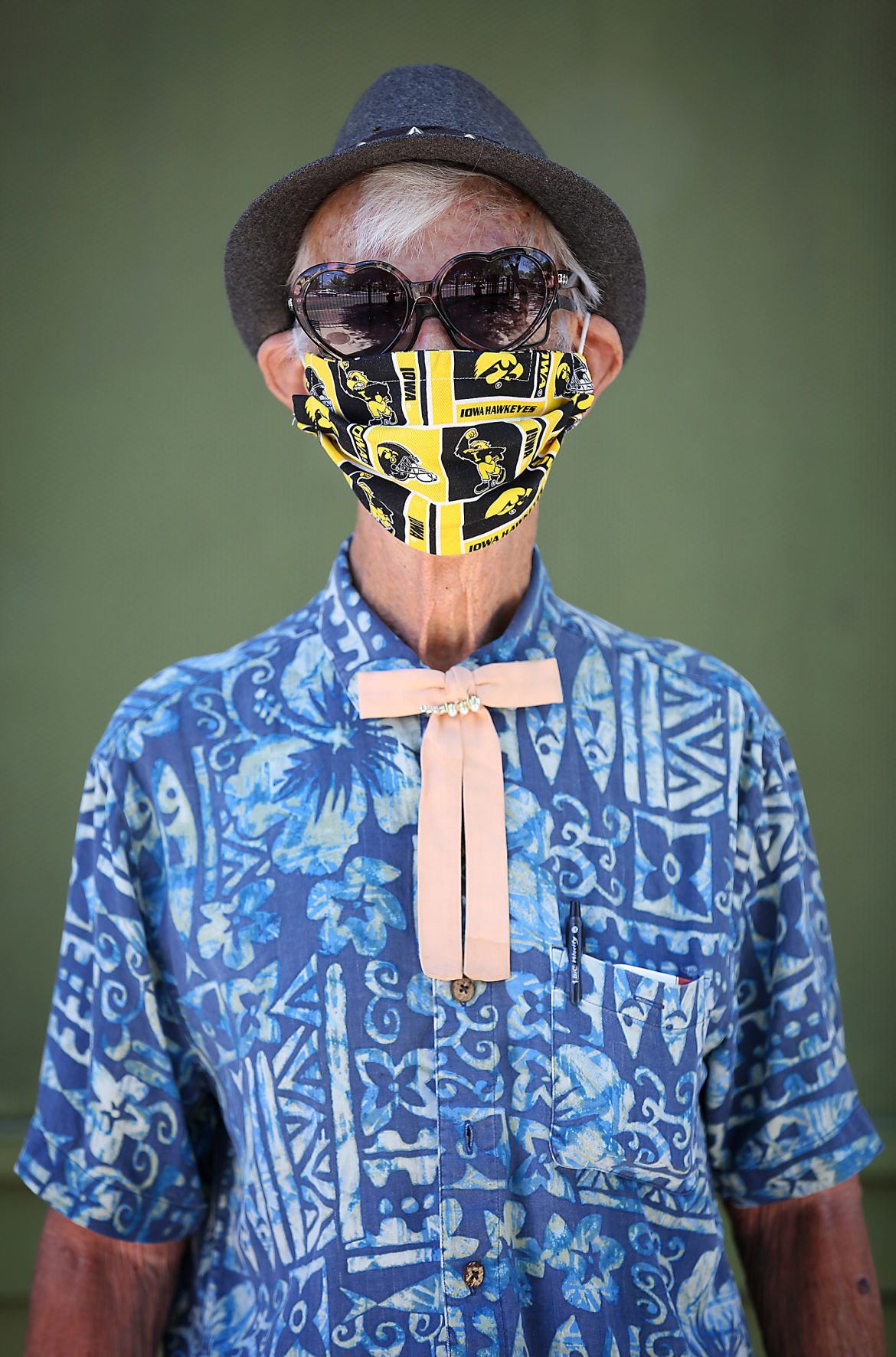
Tom "Tiger" Ziegler: "I miss my work, my customers and my co-workers. I don't want my people to get this damn disease." June 30, 2020
Tucsonans wearing masks, coronavirus
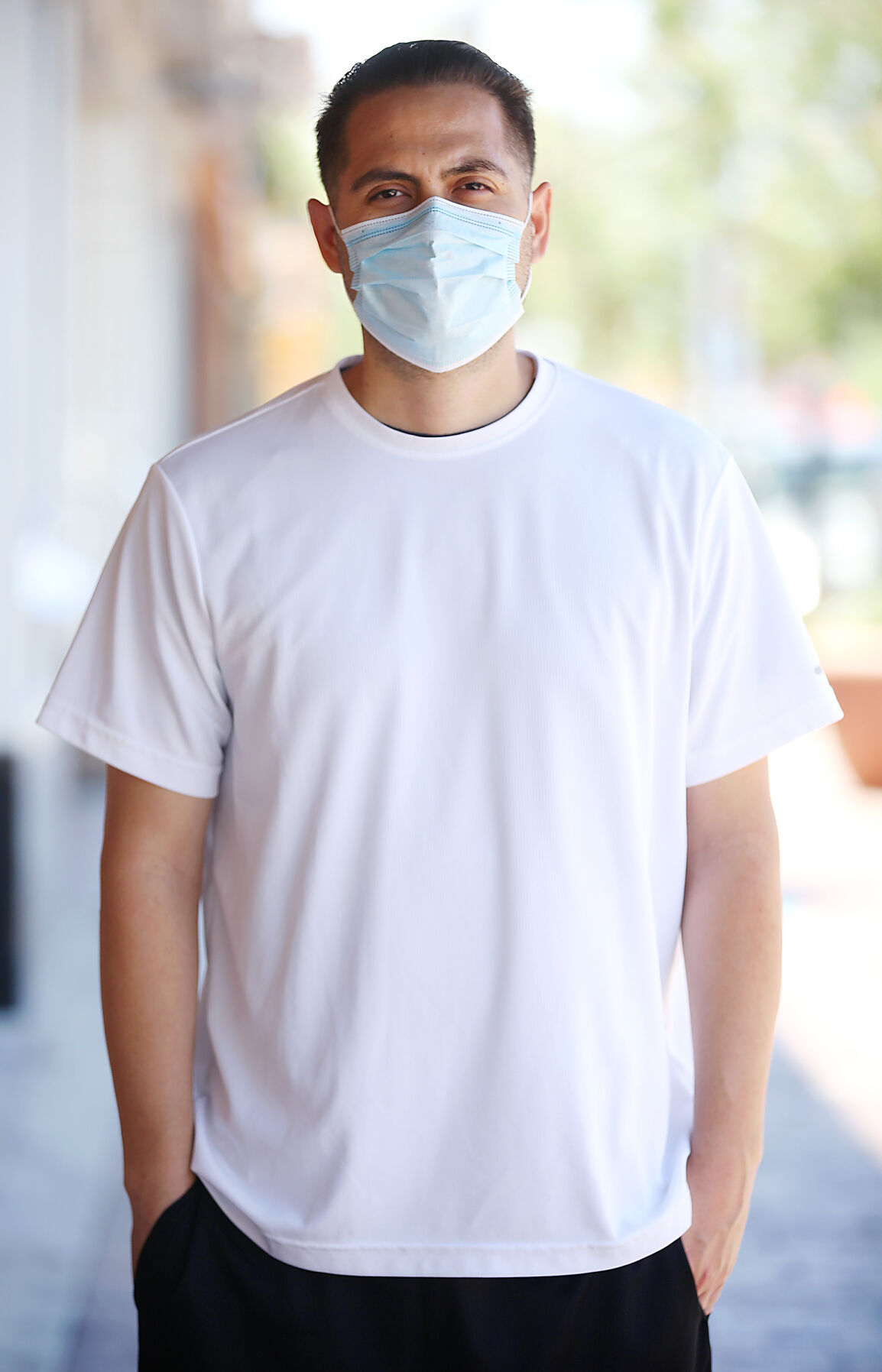
Rico Otero: "It's affected me by being limited in going out so much. Learn how to stay in more. Re-learning how to sanitize." June 2, 2020.
Tucsonans wearing masks, coronavirus
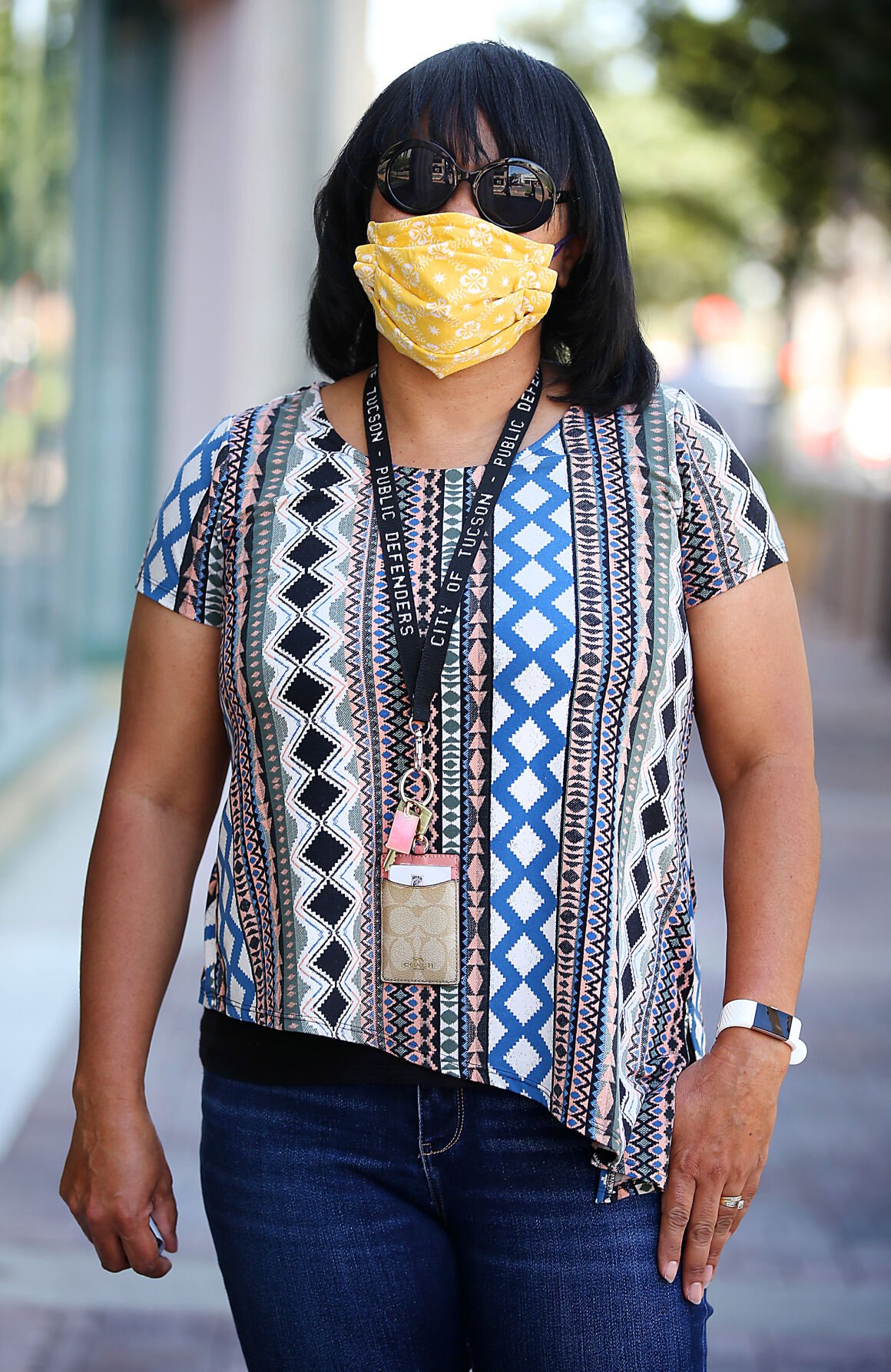
Pamela Stewart: "We've been turned upside down. Everything is different. For African Americans, we wear a mask and glasses, if I go into a bank or a business I'm already judged. It's a double threat for us as I see it." June 2, 2020.
Tucsonans wearing masks, coronavirus
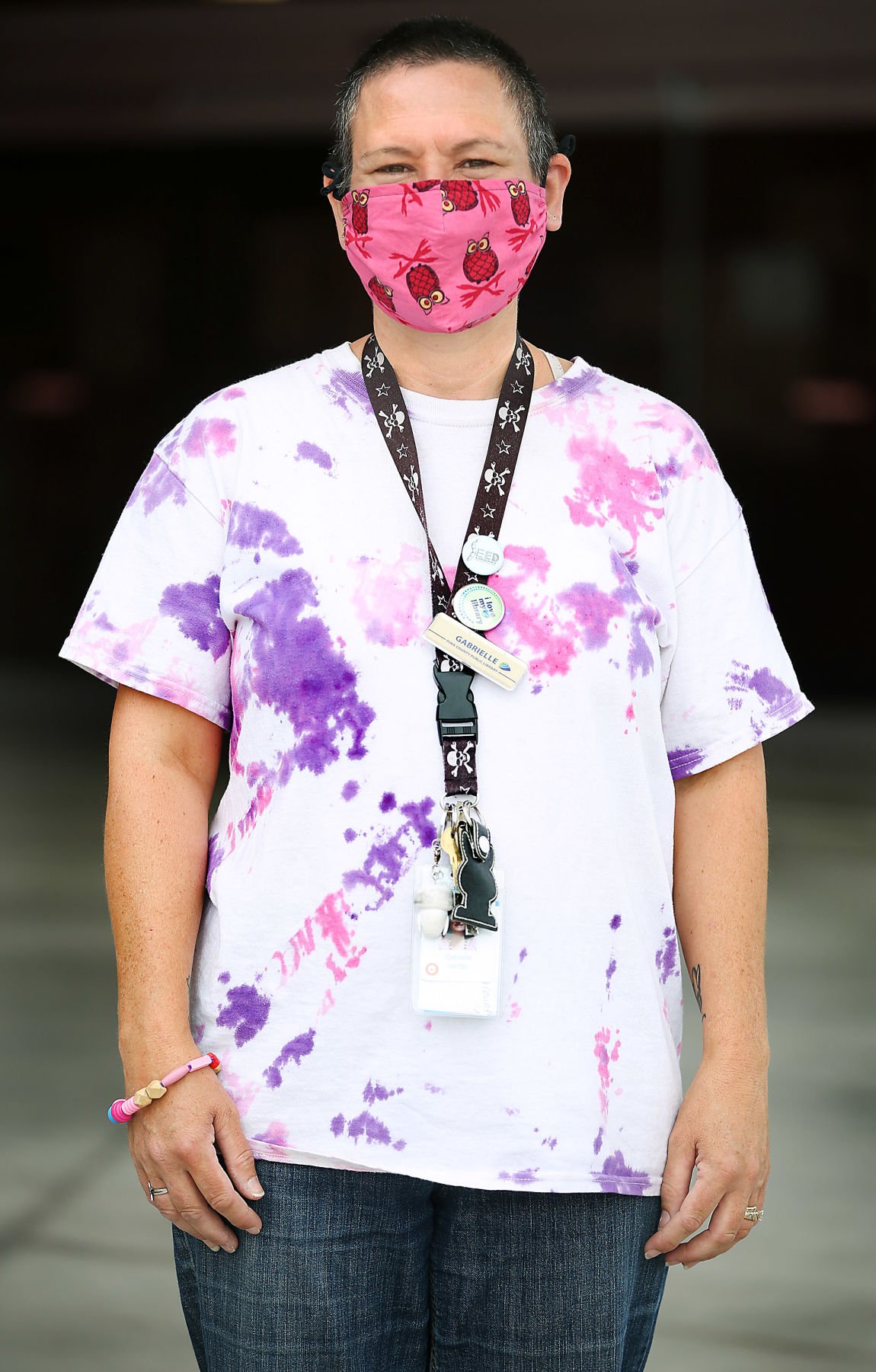
Gabrielle Nunn: "Mostly my daughter. She has autism. The huge change has been stressful for her. She worries about me, being at work." May 14, 2020.
Tucsonans wearing masks, coronavirus
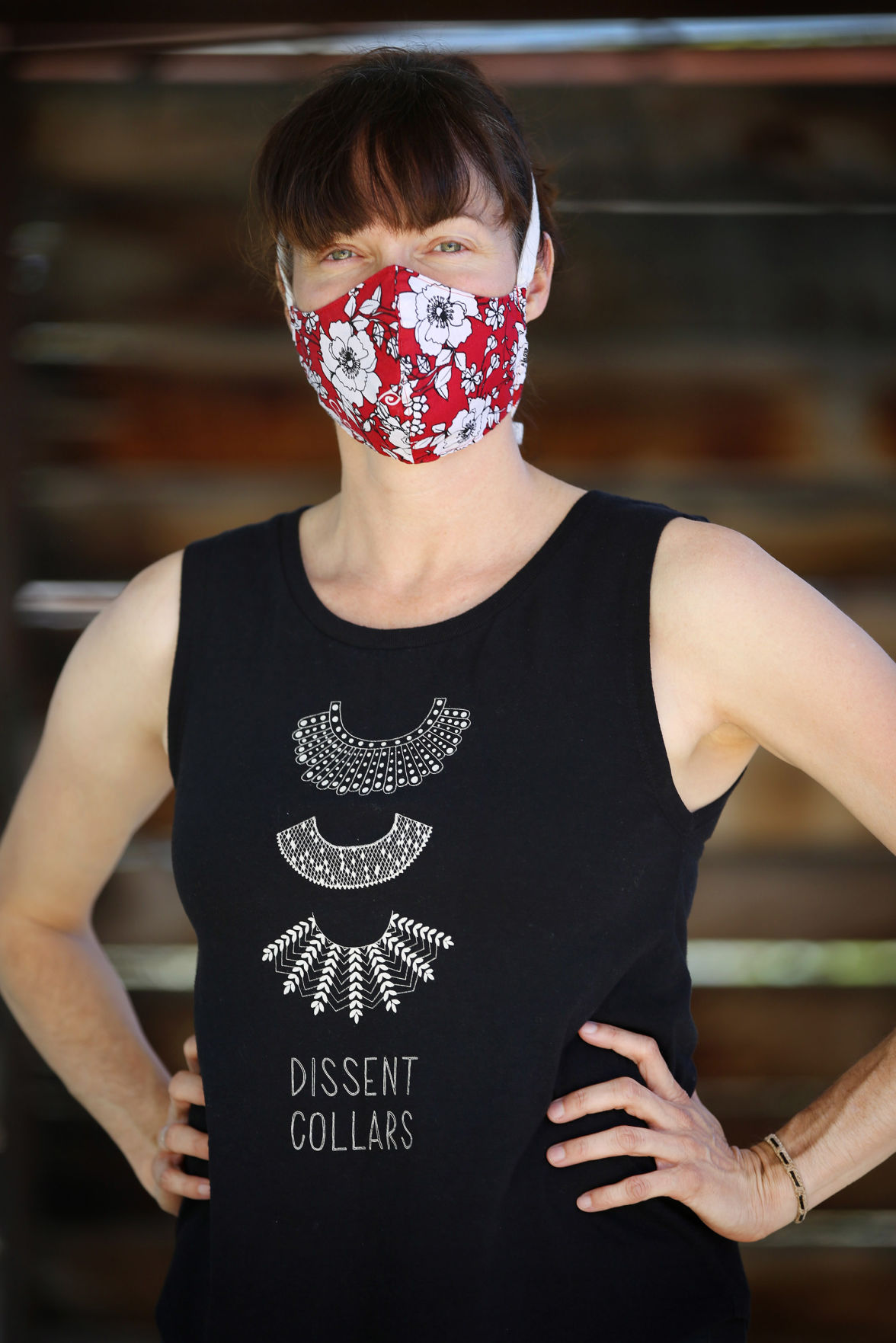
Lori VanBuggenum: "Even though the distance hasn't changed, this has made me feel the furthest away from my family. Everyone is in Wyoming. I can't jump on a plane and go see them." May 5, 2020.
Tucsonans wearing masks, coronavirus
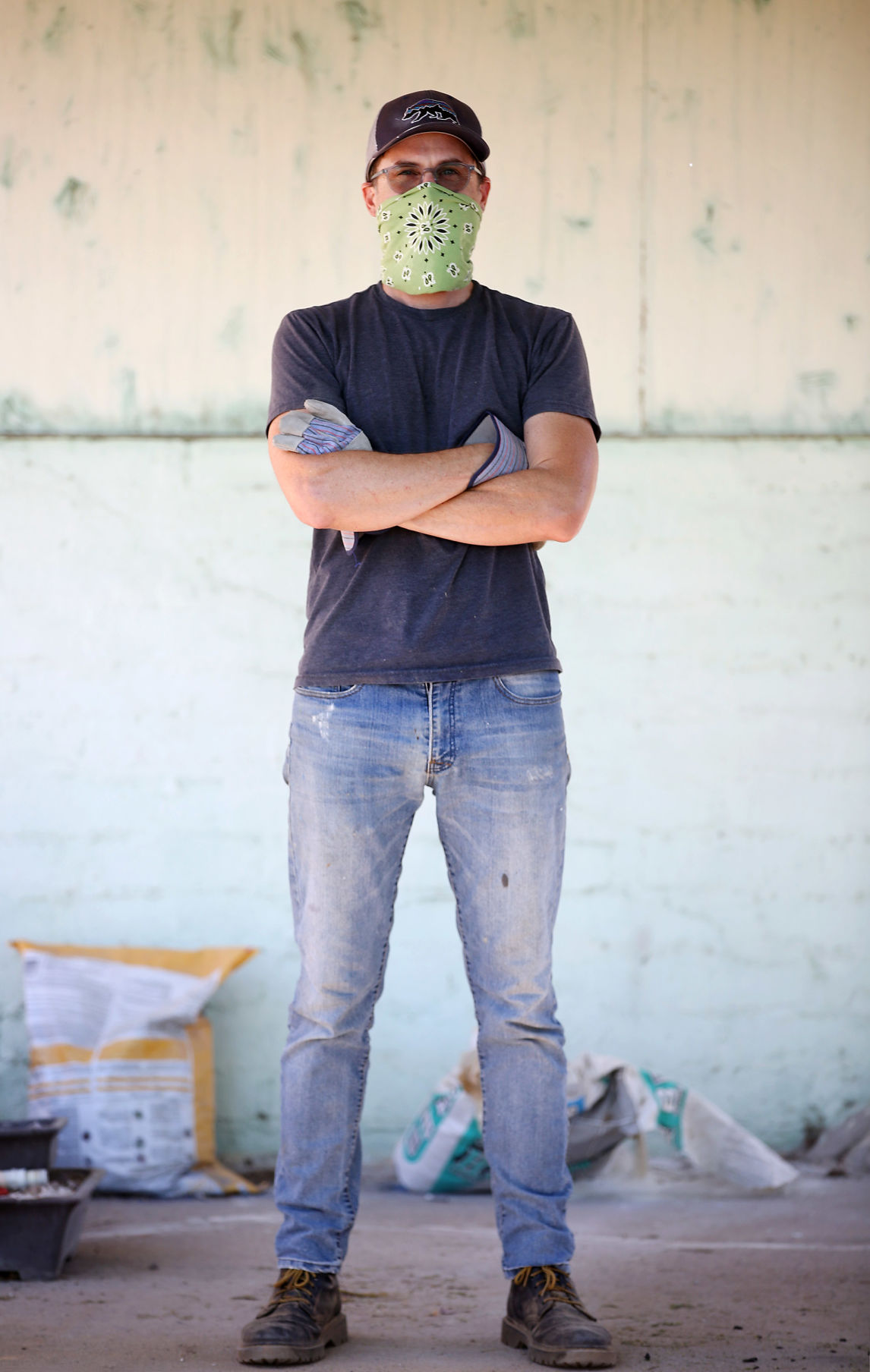
Benjamin Johnson: "The word uncertainty just keeps coming to mind. I feel the biggest thing for me is being fully open to uncertainty with kindness and compassion." April 29, 2020.
Tucsonans wearing masks, coronavirus
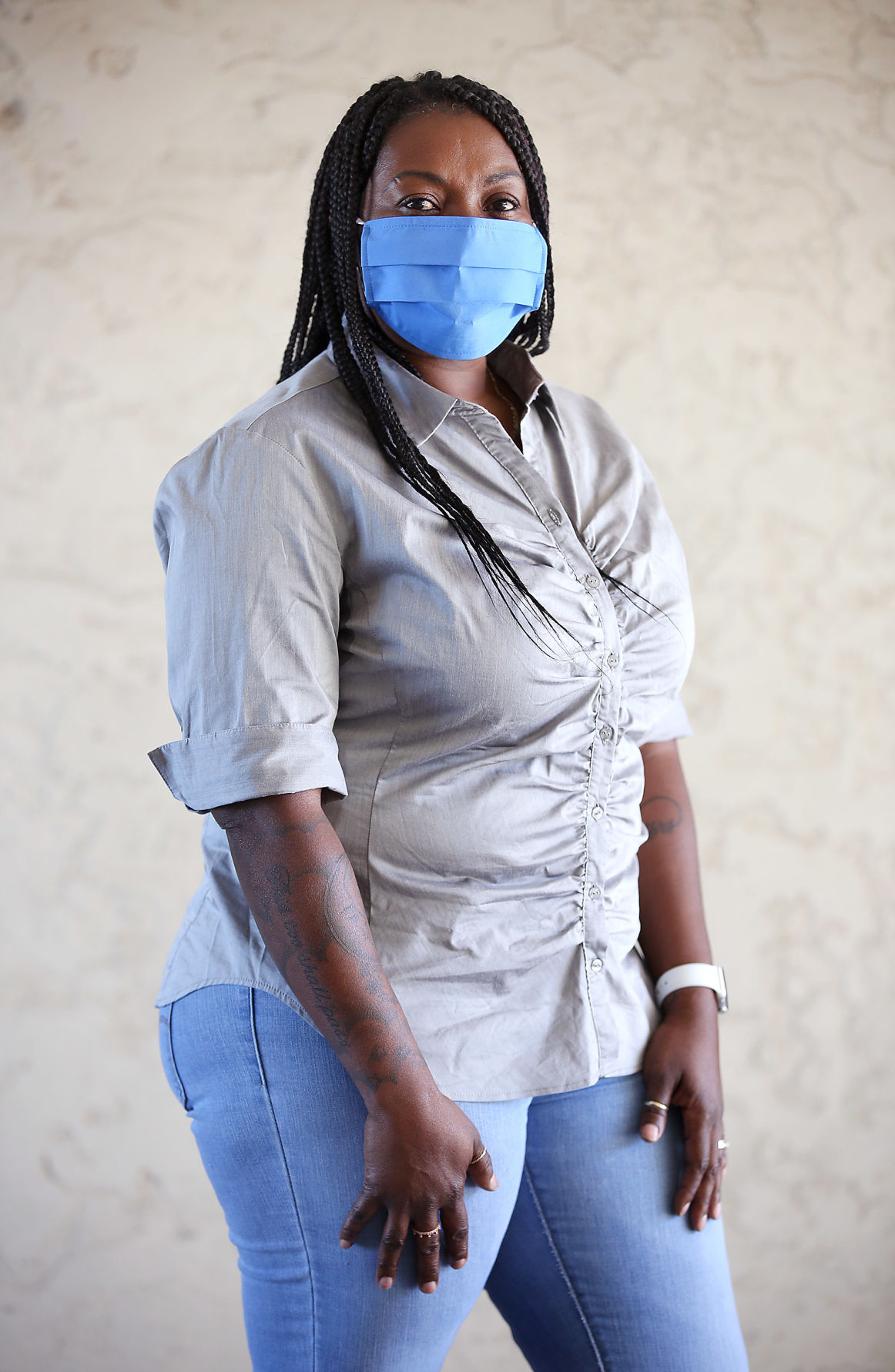
Cellisa Johnson: "It's affected me financially with my business as well as emotionally, not being able to be hands on with my clients." April 29, 2020.
Tucsonans wearing masks, coronavirus
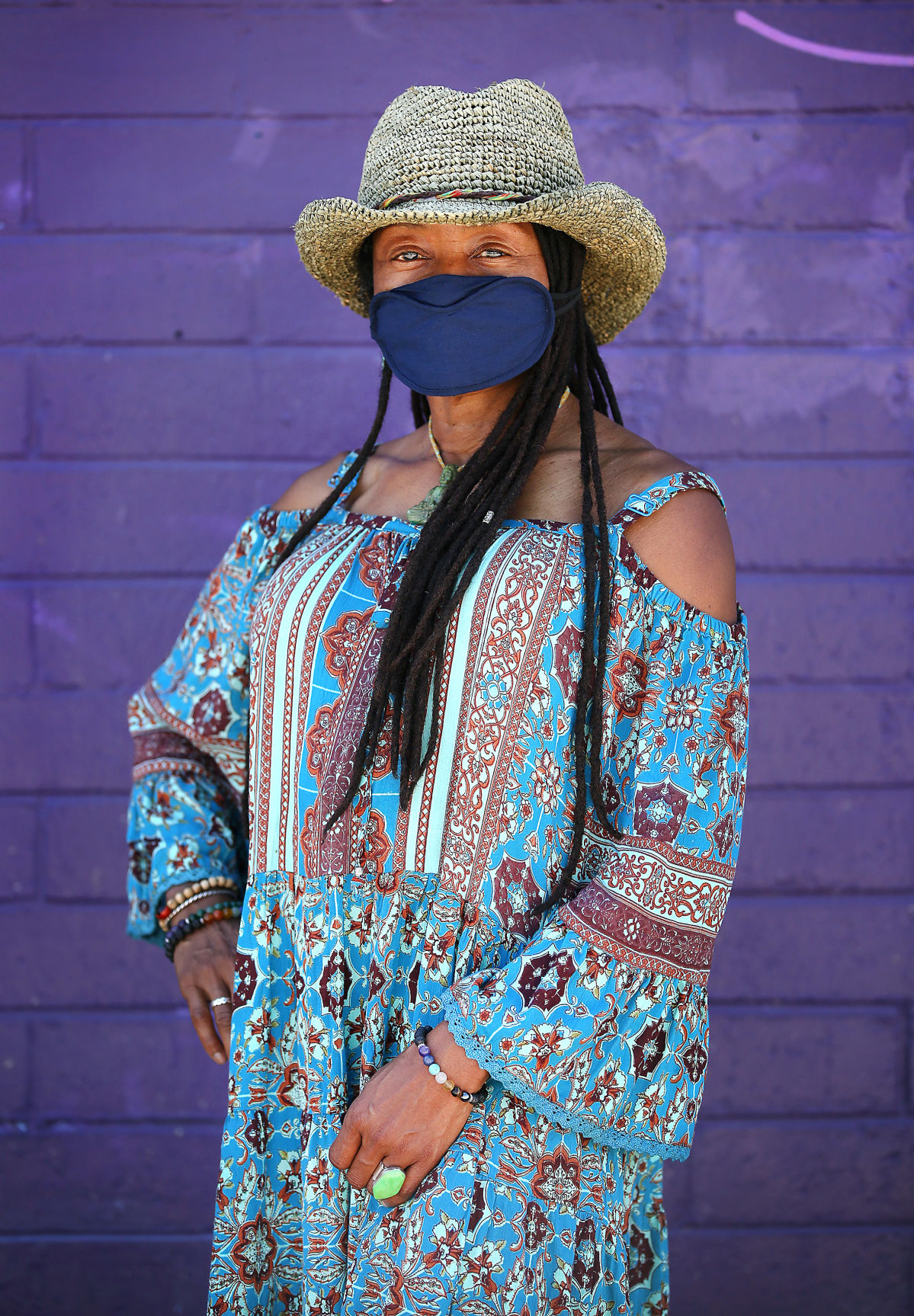
Bebe Barbosa: "I am a touching person. I like to hug. I'm missing the embracing." April 24, 2020.
Tucsonans wearing masks, coronavirus
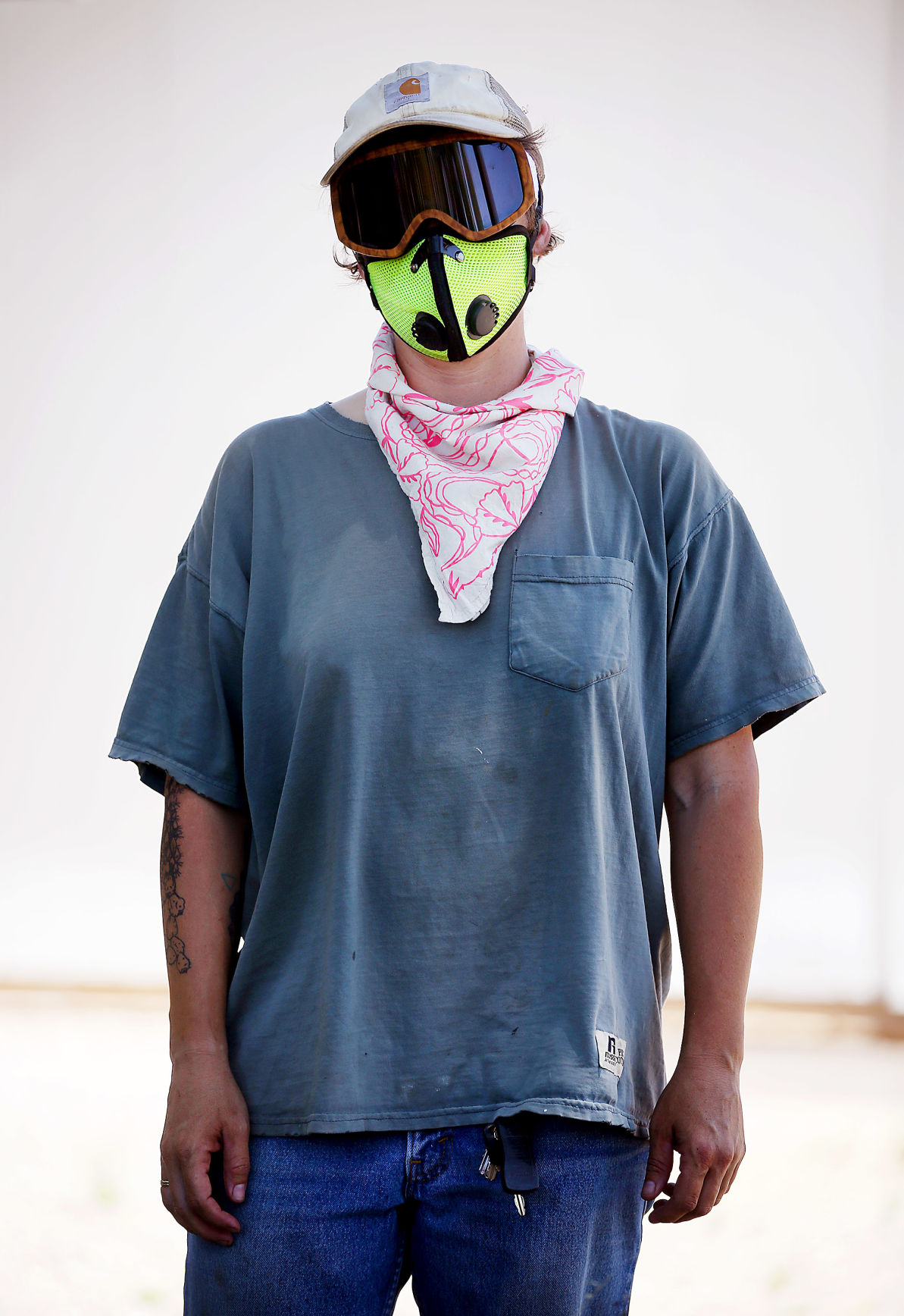
Logan Byers: "I'm very conscious how my actions affect other people now, more than ever. Every place I go to I'm conscious of how close I am to people." April 29, 2020.
Tucsonans wearing masks, coronavirus

Elana Bloom: "It was very shocking. Everything I had planned for – my whole business was canceled over a two day period." Bloom owns Solstice, a textile business and would make most of her money in the Spring to help with the slower months of Summer. April 14, 2020
Tucsonans wearing masks, coronavirus

Kristina Michelle: My cousin passed away four days ago in New Orleans. We can't get an autopsy for a while and there will be no funeral service. April 14, 2020
Tucsonans wearing masks, coronavirus
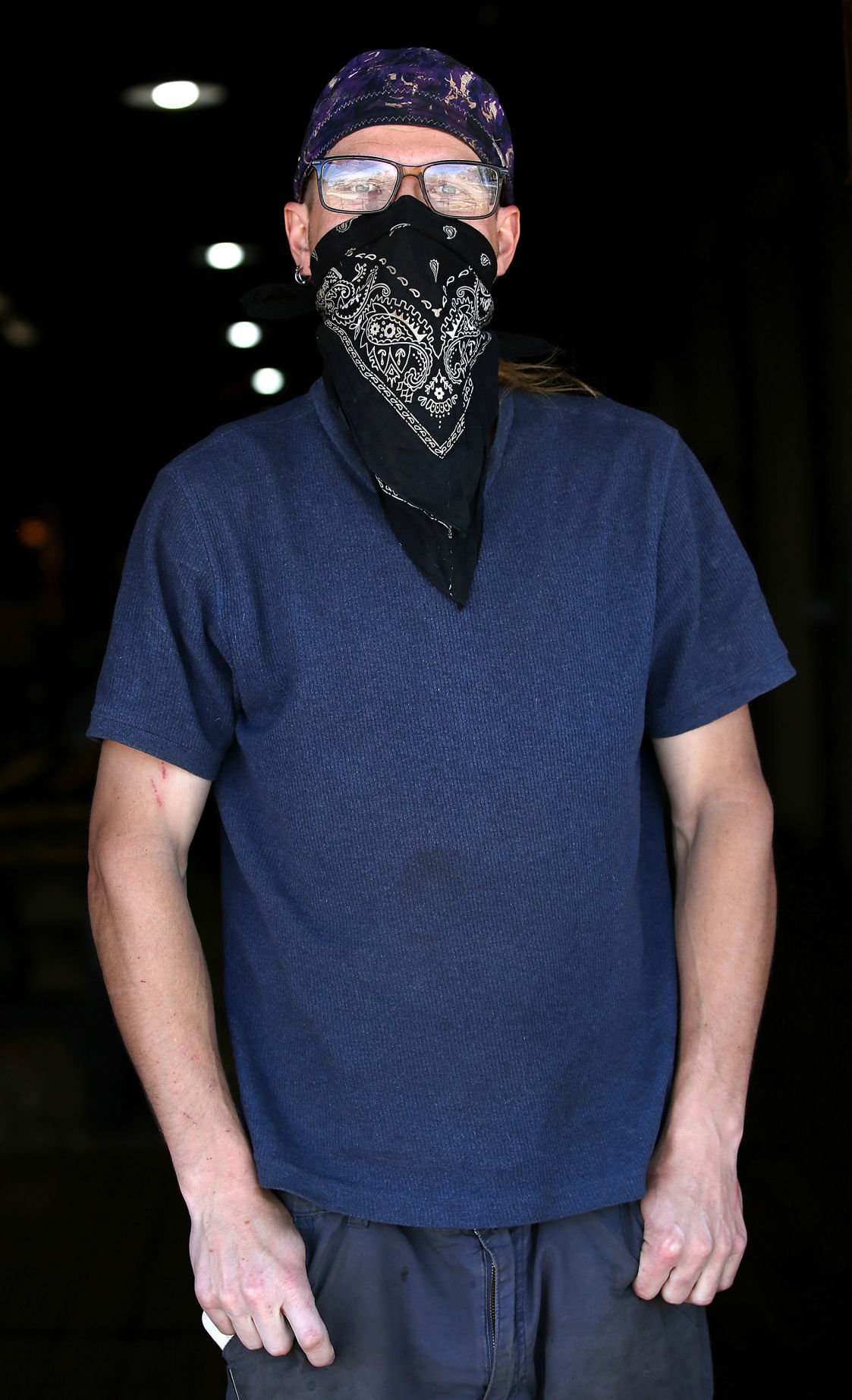
Pat Fisher: "A friend of a friend is living with me and his three cats. It was only supposed to be temporary, but now he can't find a job or pay for a place to rent. The situation probably won't change until the Fall." April 14, 2020
Tucsonans wearing masks, coronavirus
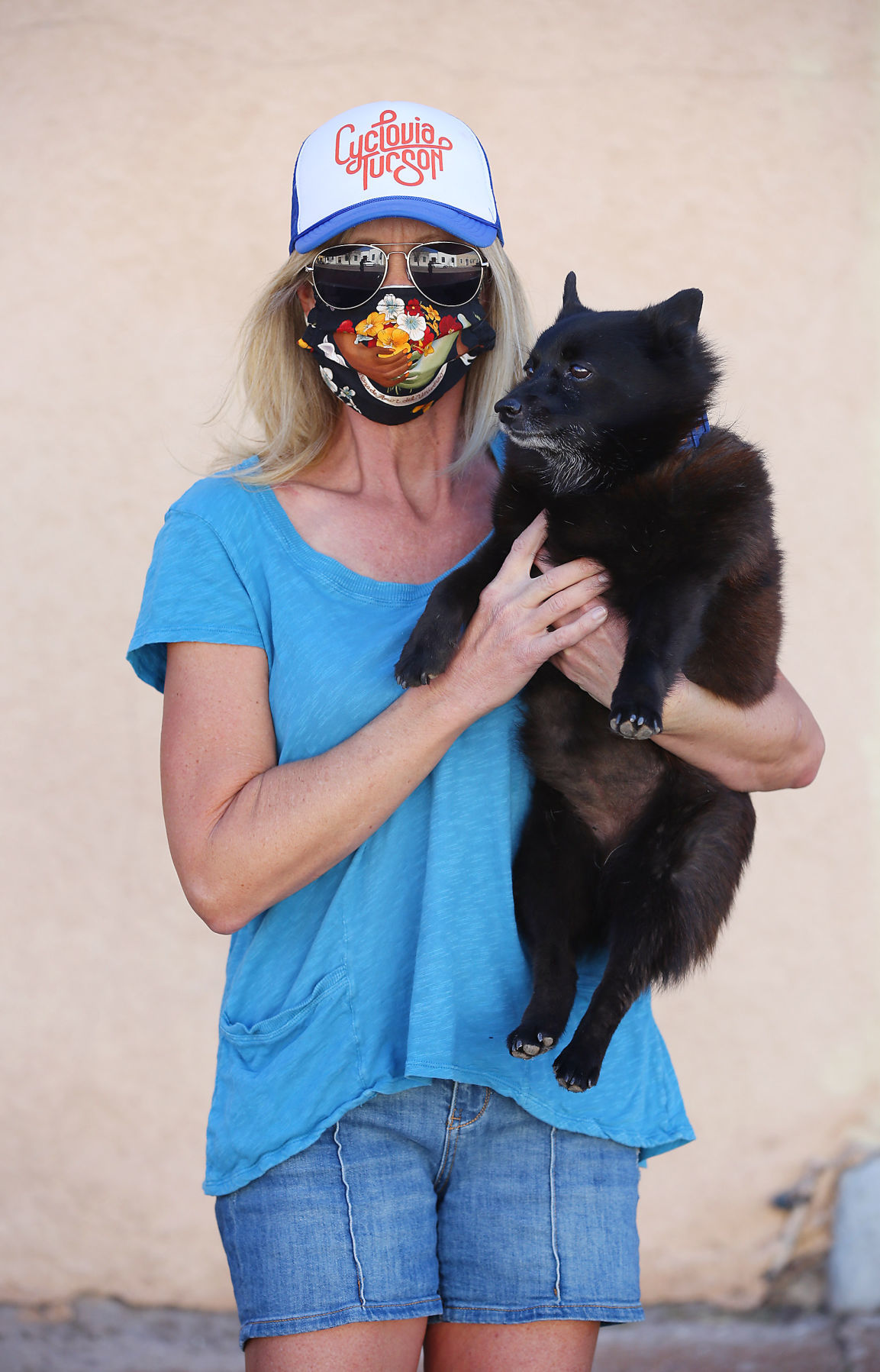
Lori Adkison: "This is reaffirming my belief in community." April 13, 2020
Tucsonans wearing masks, coronavirus

Sammy Cabrera: "A lot of people grab what they don't need at stores. I don't like the way some people are acting." April 8, 2020.
Tucsonans wearing masks, coronavirus

Jamie Galindo: "I'm getting over an ex-boyfriend and having to social distance is difficult." April 8, 2020.
Tucsonans wearing masks, coronavirus
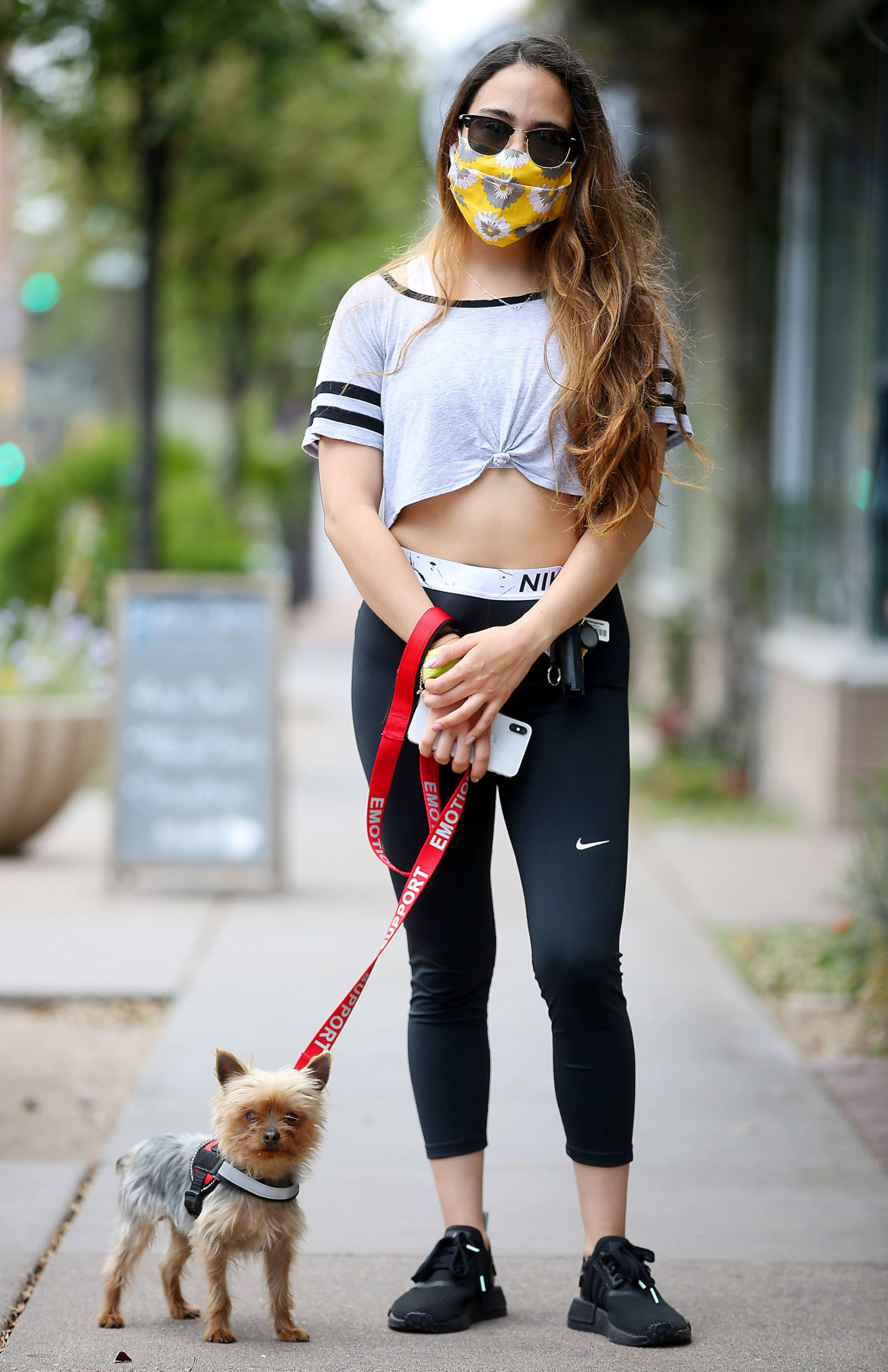
Michelle Arreola: "My whole life is on hold." Job interviews are postponed and the medical college admission test is on hold. April 8, 2020.
Tucsonans wearing masks, coronavirus
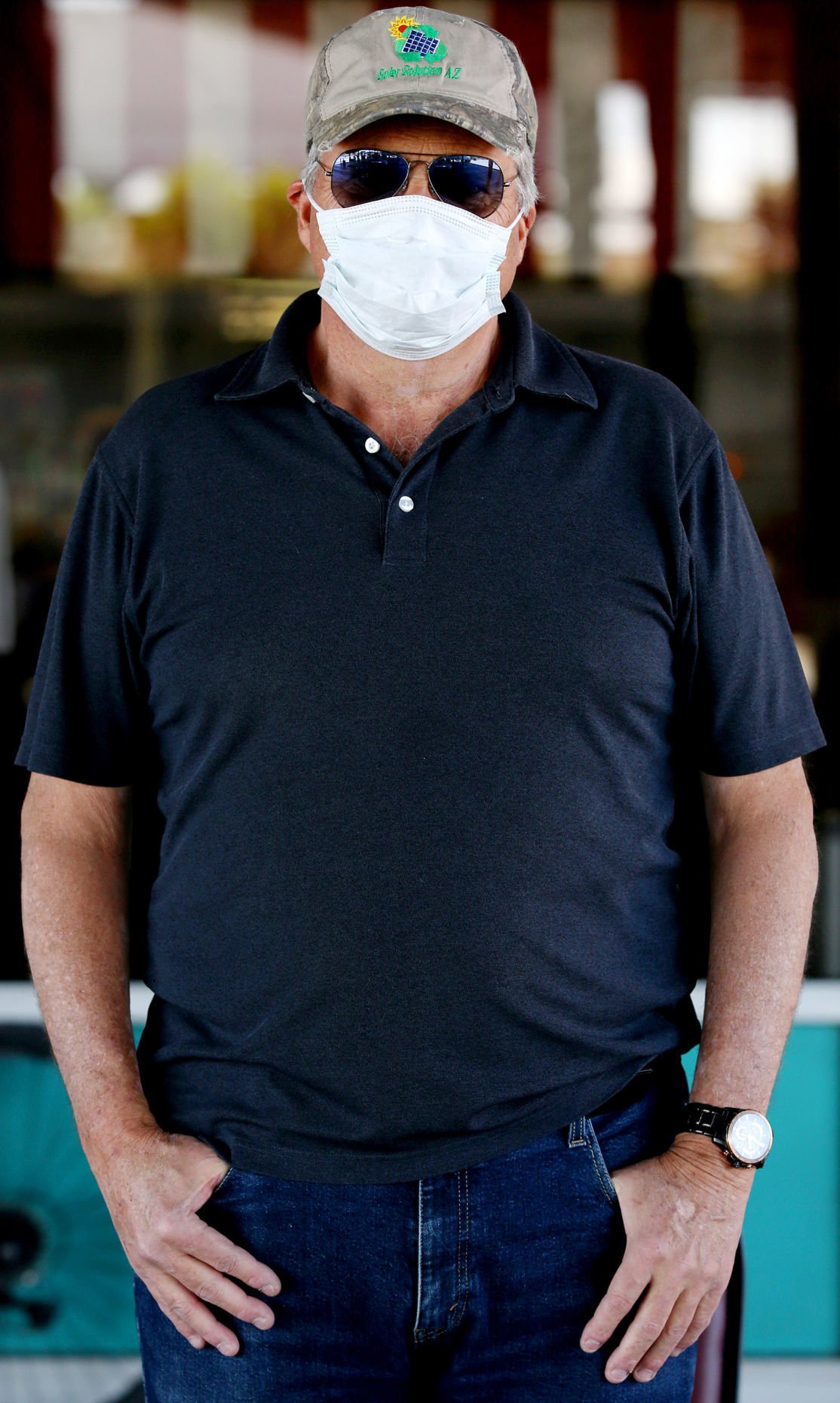
Kent Bauman: "I've had less of an impact. I work for a solar company so we're running full steam. People are home and are thinking about self-sufficiency and thinking about the environment." April 16, 2020
Tucsonans wearing masks, coronavirus
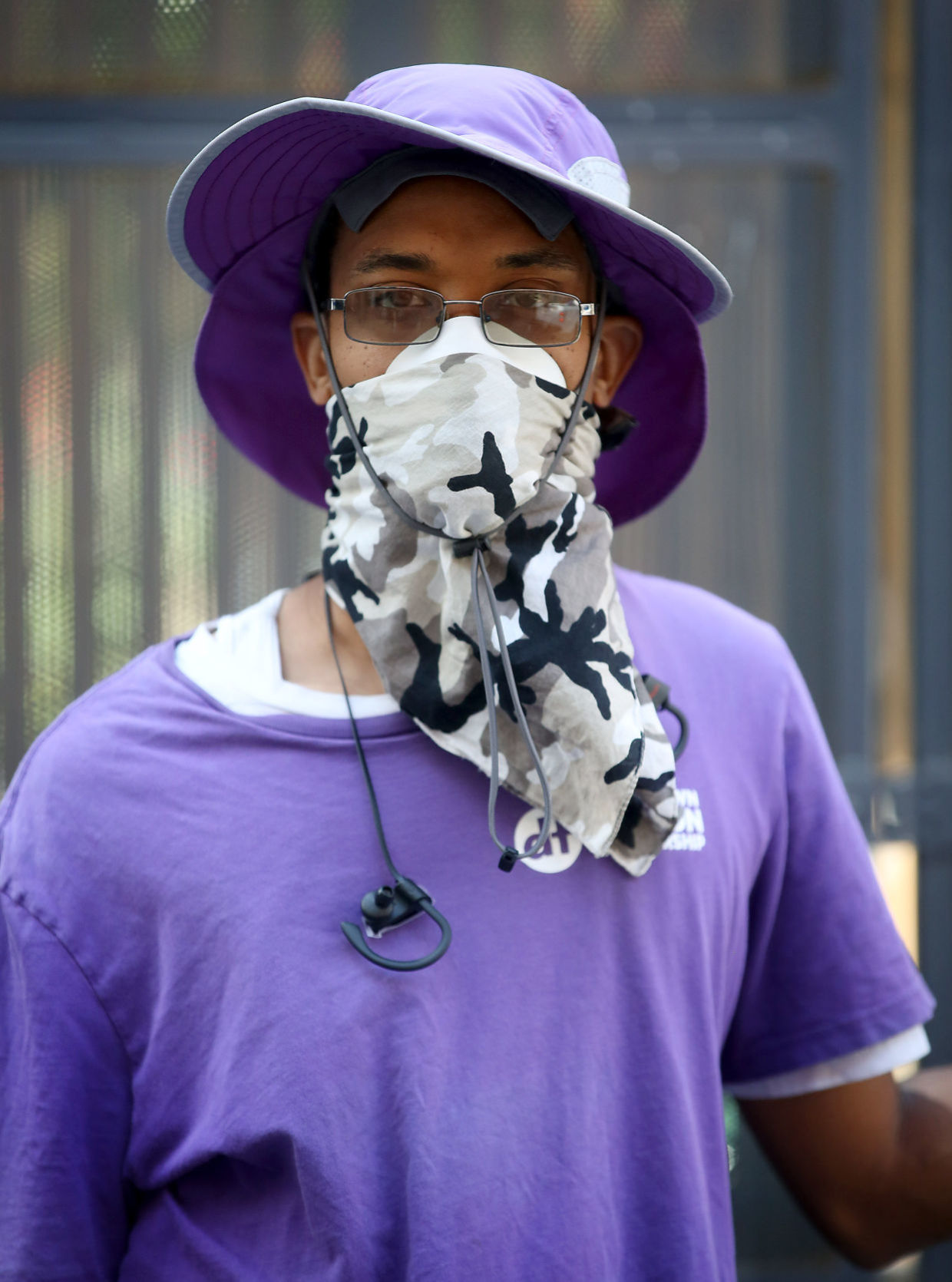
Trevonn Clark: "I miss going to restaurants and the movies." April 8, 2020.
Tucsonans wearing masks, coronavirus
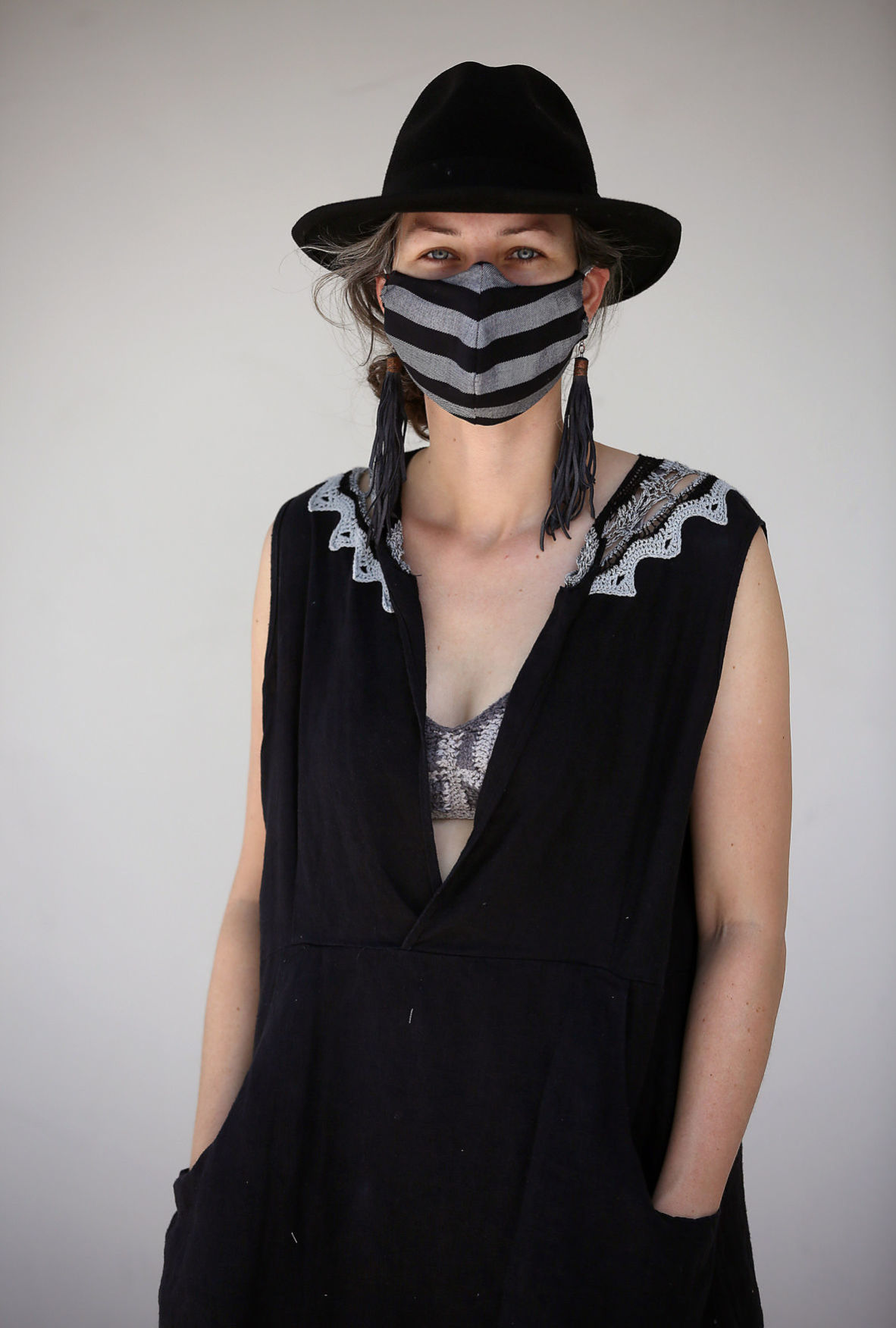
Laura Eliason: "I wonder when I'll be able to travel and see my family again." April 8, 2020.
Tucsonans wearing masks, coronavirus

George Ortega, retiree: "I am retired. I wear a mask because it makes me feel good and others feel good." April 6, 2020.
Tucsonans wearing masks, coronavirus

Fox Nopri: "It has definitely affected me by how I keep up with my behavioral health. Most of the places I go have been closed down or have set dates to close." April 6, 2020.
Tucsonans wearing masks, coronavirus

Jeronimo "Mo" Madril, owner and executive chef of Geronimo's Revenge: "As an owner and driven person, I am very discouraged. It is what it is." April 6, 2020.
Tucsonans wearing masks, coronavirus

David Clarke, unemployed bartender: "I am an out of work bartender. Jobs have instantly vanished." April 6, 2020.
Tucsonans wearing masks, coronavirus

Leonel Cabrera. April 6, 2020.


