

Animal migration is a subject widely studied and speculated upon, but one where motivational certainty is a characteristic that frequently falls short. Two of my favorite animal migrations are those of the monarch butterflies and that of the gray whales of the western hemisphere. We’ve traveled once to see the vast collection of monarch butterflies that migrate up to 3,000 miles from the northern United States and Canada to the high elevation oyamel fir forests in central Mexico every fall, and this is truly a bucket list adventure, especially since the monarch is the only butterfly in the world (out of 20,000 species) which participates in this multi-generational two-way migration. The gray whale migration 5,000 miles from the Bering Sea to the Pacific Ocean nursery lagoons of central Baja California in Mexico is another bucket list item that we’ve done multiple times and one we would do again in a heartbeat.
Bird migration, on the other hand, although not universal, is certainly common, and we all know of species that are summer residents here only, like our Hooded Orioles, or are only winter residents here, like our White-crowned Sparrows. The Hooded Orioles travel relatively short distances, only between here and northern Sonora, Mexico, but our White-crowned Sparrows fly about 1,800 miles back and forth between here and Southeast Alaska, where they spend their summers. As remarkable as that seems, many birds take on much longer migrations, and shorebirds in particular are known for their lengthy trips. The Red Knot is one of these.
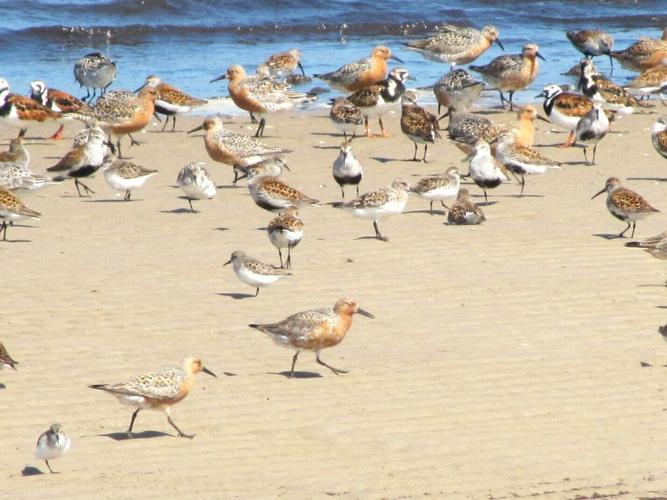
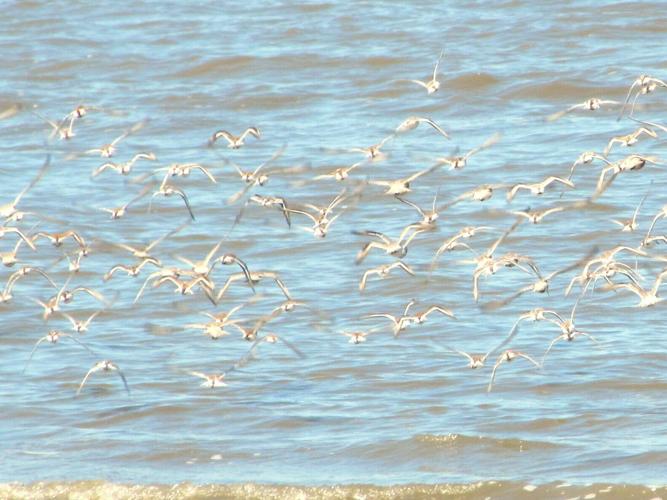
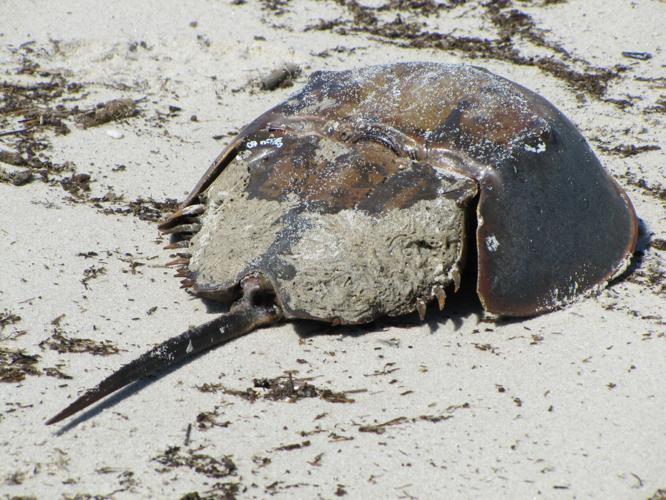
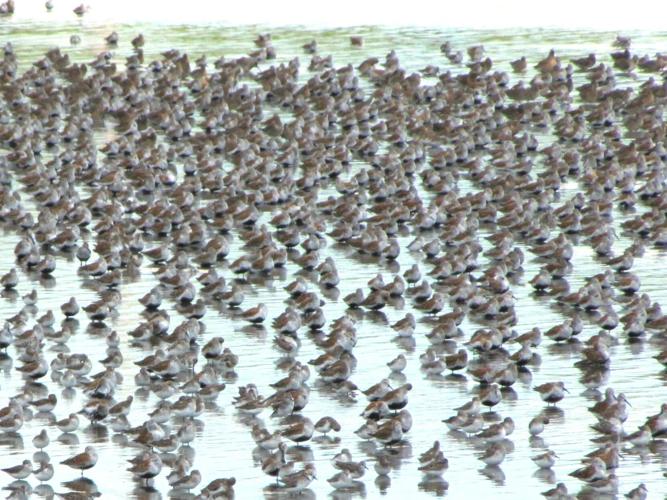
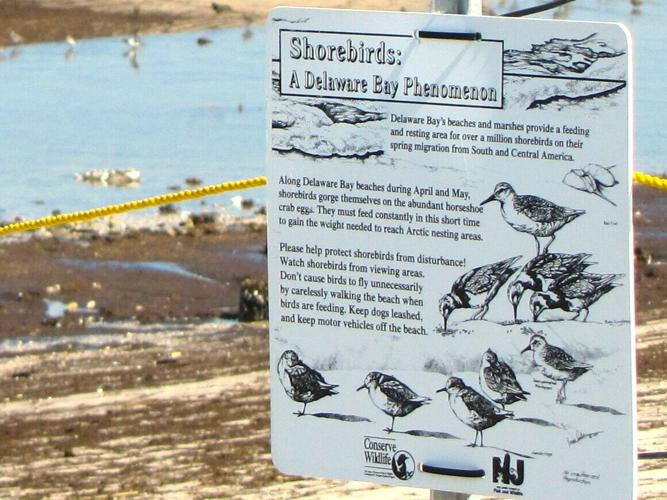
There are six subspecies of Red Knot, and they are all long-distance migratory birds, but the one that is normally seen in the United States is the Calidris canutus rufa, the subspecies that holds the record for long distance knot migration. The rufa subspecies is a robin-sized bird with a twenty-inch wingspan. It winters at the tip of South America in Tierra del Fuego and then flies more than 9,000 miles north to its breeding grounds in the central Canadian Arctic. Measurements of nonstop flight show as much as 5 thousand kilometers, or more than three thousand miles. It makes few stops along the way, pausing for the most part at only two, one in southern Brazil and the other, in early May, on the intertidal shores of Delaware Bay in New Jersey. During these ‘refueling stops’, the birds gorge on hard-shelled mollusks, bivalves, snails, marine worms and small crabs, probing their bills into the top two or three centimeters of seashore sediment, mud and sand. In their breeding grounds, they switch to larvae, spiders, beetles and insects. In their major U.S. layover at Delaware Bay, they feed almost exclusively on the eggs of the horseshoe crab, which replenishes the fat needed to complete their journey. First year birds generally avoid flying to their breeding grounds. Maybe because they remember the effort they needed to fly down to Tierra del Fuego. By their second year, they generally join the crowds headed north. Perhaps sex drive is raising its motivational head?
One of the most interesting stories we heard when we observed these birds at the Cape May (New Jersey) Birding Festival in the month of May was about their departure from their ‘hatching grounds’ in the Arctic tundra. We were told that the adult Red Knots take off from the breeding grounds well before the newly-hatched young. The adults then fly south to Delaware Bay, refuel and then depart once again, bound for their familiar Tierra del Fuego territory. Meanwhile, the newly hatched young look around, and not seeing their parents, take off and fly directly to Cape May, a place they have never seen before. After feeding for awhile (and still not reunited with their parents), they eventually go airborne again, and most remarkably, fly the remaining thousands of miles to Tierra del Fuego, where they finally are reunited with their parents. I’m afraid I don’t have a good explanation for how that trick is accomplished, but if you’ve got any good ideas, please share them!
If you have questions or comments about SaddleBrooke’s birds, or to receive emailed information about birds from Bob and Prudy, call 520-330-0366 or email bobandpru@gmail.com. Previously published articles can be found at www.birdingthebrookeandbeyond.com.
 Former Sam Levitz building sells for $8.6 million


