

UA season opener
● What:
Arizona at Utah
● Where:
Salt Lake City
● When:
5 p.m. Sept. 2
● TV:
ESPN
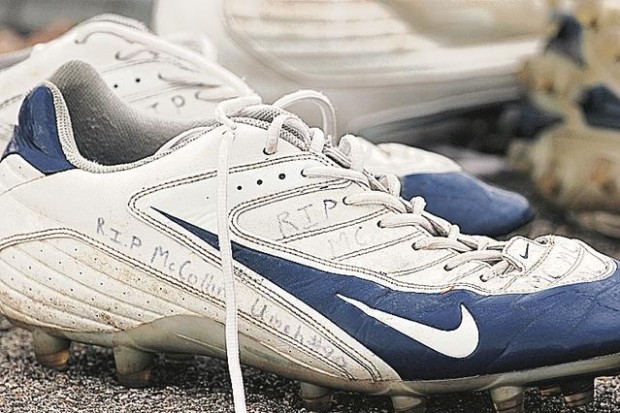
The UA training staff did not make any fundamental changes to its policy after the death of Wildcat football player McCollins Umeh on June 8, 2004.
UA head trainer Randy Cohen and other staff members called doctors, specialists and other respected trainers to compare policies and seek advice.
What the staff found, Cohen said, was that the Wildcats' standards were consistent with those of most major college programs.
People are also reading…
"We're doing what everyone else is doing," Cohen said.
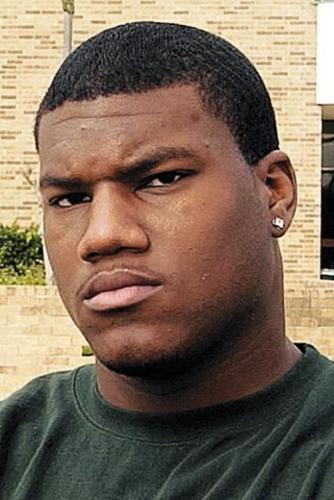
Umeh, who died because of an enlarged heart, took a physical the morning he died. As part of the physical, doctors looked at the 18-year-old's medical records.
Umeh also was asked before the workout whether he had ever exhibited symptoms that would be consistent with having an enlarged heart.
Those symptoms, Cohen said, include lightheadedness, shortness of breath and faintness after exercise.
"He went through all the evaluations," Cohen said. "You have to go through a thorough physical.
"If anybody has any history of these types of things, you look for it. There's a standard out there that's appropriate to look for."
Cohen said he re-evaluates his policy and procedures at least once a year.
He said his staff focuses on treating each player on an individual basis, and that he wants to be as technologically current as possible.
After the death of Missouri player Aaron O'Neal on July 12 during a similar workout, the national debate continued over the safety of voluntary workouts.
NCAA rules allow players to work with a strength coach eight hours a week for eight weeks each summer. Coaches are not allowed at the workouts.
UA football coach Mike Stoops said he is confident in his team's physicals and training staff.
"We're as extensive as we can be," he said. "We try to gather as much information as we can - all our doctors and our trainers - to make sure we're doing all the things we can to protect our kids."
- Patrick Finley