


In planning a pet-safe garden, it’s best to use fences, borders or plant boxes to prevent your dogs (or outside wildlife) from accessing your plants.
If you have a green thumb and a pet, you’ll want to make sure that the garden plants and materials you choose are safe — many are dangerous or even potentially deadly to your pets.
To help keep your dog and your garden safe, here are four things to consider, with tips from the American Kennel Club, plus a list of some dog-safe garden plants.
Garden boundaries
In planning a pet-safe garden, it’s always best to start by using fences, borders and plantings for safety and security to prevent your dogs (or outside wildlife) from accessing your plants.
Some dogs are climbers, and some are diggers. Install an underground barrier made from rebar, chicken wire or concrete to help prevent digging dogs from getting into the garden area.
Fertilizers
People are also reading…
Use safe fertilizers so that the accidental ingestion of fertilizer isn’t as hazardous to your pet. Read all instructions because harmful substances can cause side effects from irritation and ulceration to the mouth, gums, esophagus and stomach to burns due to direct contact.
If you suspect your dog has eaten fertilizer, or they seem ill after spending time in the garden, take them to the vet right away.
Mulch types
Make sure the mulch you’re using in your garden is dog-safe. Wood-based, untreated mulches such as pine, cedar and cypress are good options, and opt for small chips that are easy on your dog’s paws. Cocoa mulch, while a popular choice, is not recommended for homes with dogs because cocoa beans are more susceptible to mold, which can cause gastrointestinal problems or even be fatal.
Toxic plants
Avoid toxic plants completely, even if your dog isn’t the type to normally chew or graze.
Don’t fall for the myth that dogs instinctively avoid dangerous plants. While it is sometimes true of animals in the wild, dogs have no ability to distinguish between safe and unsafe plants. Almost anything within your dog’s reach will be tested by your pet, especially by curious puppies.
The best cure is prevention — even drinking water from a vase that held a toxic plant could be enough to give your dog diarrhea, vomiting or worse. Make sure you check out plant guides to ensure that what you’re planting is dog-friendly before you plant it.
If you suspect your dog has eaten a toxic plant, take the following steps:
- Contact your vet, AKC Vetline or the Pet Poison Helpline (855-764-7661) immediately for accurate advice. (You will be charged a fee when you call the helpline.)
- Try to identify the plant by taking a sample or a photo or by collecting the dog’s vomit in a plastic bag.
- When you reach the vet or helpline, provide as much information as possible, including:
— The suspected plant and the time of ingestion
— Your dog’s weight
— Any symptoms your dog is showing
- Under no circumstances should you induce vomiting unless instructed to do so by the vet. Specific plant poisons require specific treatments, and vomiting can make some cases worse.
Some dog-safe garden plants
Keep in mind that these plants are safe in small quantities. Always monitor your dogs in the garden.
- Green beans
- Berries like blueberries, raspberries or strawberries
- Barley grasses
- Herbs like rosemary, basil, thyme, dill, fennel and sage
- Dandelion greens
- Curly-leaf parsley
- Squash
- Beets
- Cucumber
Some toxic plants
- Onions
- Tomato plant leaves
- Garlic
- Hops
- Herbs like mint and oregano
- Spring parsley
- Rhubarb
Sources: American Kennel Club, ASPCA
These 10 houseplants are safe for your pet
Keeping pets safe while adding beauty

One way to watch over your furry friends is to choose pet-friendly houseplants for your home.
While houseplants have the ability to bring life to a room and purify the air, a drawback is that many houseplants are toxic to animals. Here are 10 plants that add beauty to your home without worry.
First, keep in mind that while many plants are technically safe for cats and dogs, it’s best to eliminate temptation and place all houseplants out of reach. This will prevent possible tummy aches and digestive problems in your pets. If a pet ever does ingest a plant, make sure to watch them closely for signs of a negative reaction. Just because a plant is nontoxic for cats and dogs doesn’t mean ingesting it will make them feel good.
African violet

Photo by Sixteen Miles Out on Unsplash
Want pet-safe houseplants with blooms? Look no further than African violet. This versatile, hardworking houseplant is right at home with your pets. It comes in a range of purple hues, and it’s low maintenance and thrives without bright light.
Aluminum plant

The variegated gray-and-green leaves of this plant make it an attractive option for the home. It’s one of many great easy-care houseplants safe for pets.
Christmas cactus

Unlike their dangerous holiday counterpart amaryllis, Christmas cacti are not poisonous for pets like cats and dogs. The cactus may cause intestinal discomfort if ingested, but overall it’s a safer choice than many other festive plants.
Friendship plant
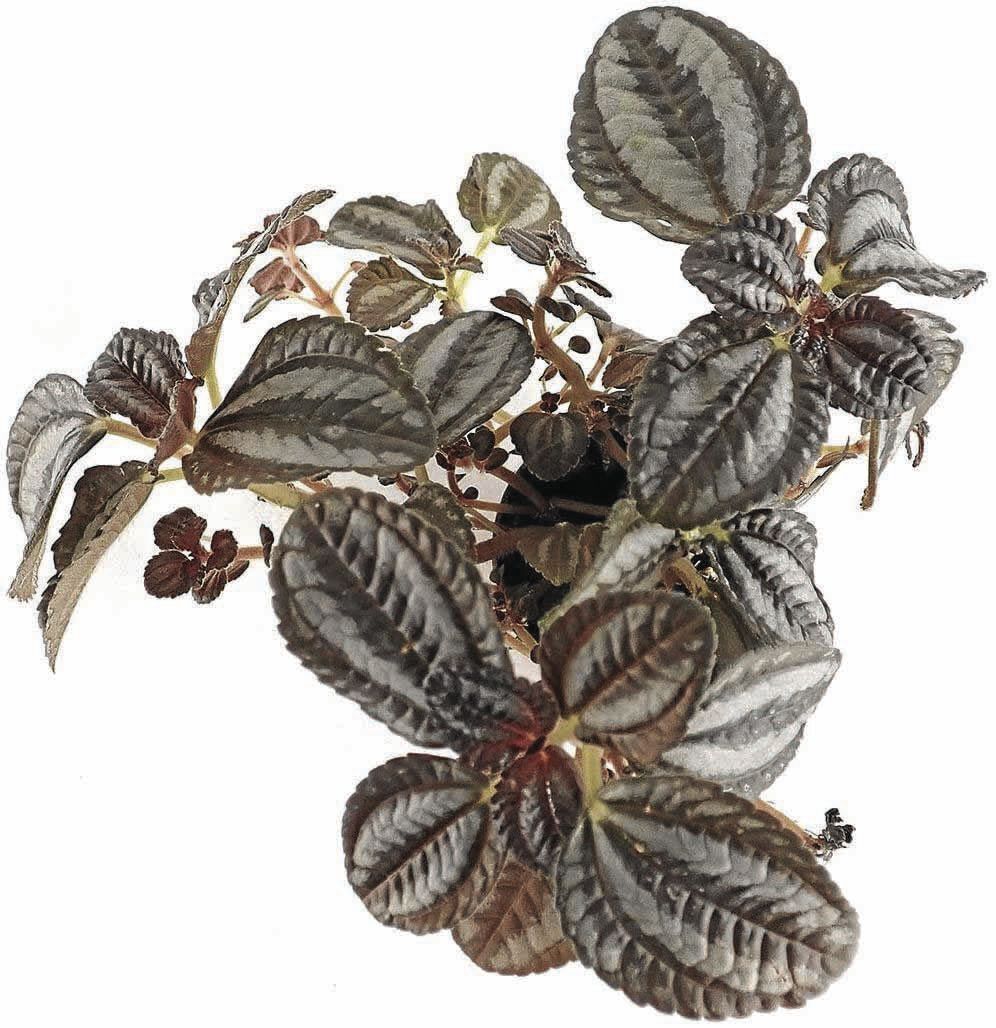
This plant is named for the ease with which it can be divided and shared—so if you happen to receive such a gift, rest assured it’s safe for your cats and dogs. But beware, pets may be especially drawn to the fuzzy, crinkly leaves.
Certain kinds of herbs

Indoor herb gardens are an easy, fun way to add fresh flavor to your cooking. But not all herbs are created equal when it comes to pet safety. Standards like lavender and oregano are off-limits, but pets are fine around basil, sage and thyme.
Peperomia

This quirky plant has blooms that resemble tubes of lipstick, and is safe for cats and dogs alike. A native of the tropics, it thrives in bright light and loves being outside in the warmer months.
Parlor palm

This is the perfect solution for pet owners looking to add a small tree indoors. Safe for cats and dogs, it’s also great for green-thumb beginners.
Polka dot plant

This plant is perfect for adding a fun splash of pattern to miniature gardens, terrariums, mixed containers and more. Available in colors such as white and pink, it’s as versatile as it is whimsical.
Prayer plant

Topping out at 6 to 8 inches, this plant is ideal for small spaces such as bookshelves and end tables. Its red, cream and green leaves curl up at night, giving it its name. What’s more, it’s one of the easiest houseplants you can grow.
Some succulents

Many of the most popular succulents — including hens and chicks, echeveria and rosettes — aren’t problematic. However, with so many varieties on the market, it’s best to research each individual plant.