Skip to main contentSkip to main content
Register for more free articles.
Log in Sign up
Back to homepage
Subscriber Login
Keep reading with a digital access subscription.
Subscribe now
You have permission to edit this collection.
Edit
Arizona Daily Star
82°
  • Sign in
  • Subscribe Now
  • Manage account
  • Logout
    • Manage account
    • e-Newspaper
    • Logout
  • News
    • Sign up for newsletters
    • Local
    • Arizona
    • Business
    • Crime
    • Nation & World
    • Markets & Stocks
    • SaddleBrooke
    • Politics
    • Archives
    • News Tip
  • Arizona Daily Star
    • E-edition
    • E-edition-Tutorial
    • Archives
    • Special Sections
    • Merchandise
    • Circulars
    • Readers' Choice Awards
    • Buyer's Edge
  • Obituaries
    • Share Your Story
    • Recent Obituaries
    • Find an Obituary
  • Opinion
    • Submit a Letter
    • Submit guest opinion
    • Letters to the Editor
    • Opinion & Editorials
    • National Columnists
  • Sports
    • Arizona Wildcats
    • Greg Hansen
    • High Schools
    • Roadrunners
  • Lifestyles
    • Events Calendar
    • Arts & Theatre
    • Food & Cooking
    • Movies & TV
    • Movie Listings
    • Music
    • Comics
    • Games
    • Columns
    • Play
    • Home & Gardening
    • Health
    • Get Healthy
    • Parenting
    • Fashion
    • People
    • Pets
    • Travel
    • Faith
    • Retro Tucson
    • History
    • Travel
    • Outdoors & Rec
    • Community Pages
  • Brand Ave. Studios
  • Join the community
    • News tip
    • Share video
  • Buy & Sell
    • Place an Ad
    • Shop Local
    • Jobs
    • Homes
    • Freedom RV AZ
    • Marketplace
    • I Love A Deal
  • Shopping
  • Customer Service
    • Manage My Account
    • Newsletter Sign-Up
    • Subscribe
    • Contact us
  • Mobile Apps
  • Weather: Live Radar
  • Facebook
  • Twitter
  • Bluesky
  • YouTube
  • Pinterest
  • Instagram
© 2026 Lee Enterprises
Terms of Service | Privacy Policy
Arizona Daily Star
News+
Read Today's E-edition
Arizona Daily Star
News+
  • Log In
  • $1 for 3 months
    Subscribe Now
    • Manage account
    • e-Newspaper
    • Logout
  • E-edition
  • News
  • Obituaries
  • Opinion
  • Wildcats
  • Lifestyles
  • Newsletters
  • Comics & Puzzles
  • Buyer's Edge
  • Jobs
  • Freedom RV AZ
  • 82° Widespread Dust
Share This
  • Facebook
  • Twitter
  • Bluesky
  • WhatsApp
  • SMS
  • Email
How to hire a babysitter during the pandemic
Share this
  • Facebook
  • Twitter
  • Bluesky
  • WhatsApp
  • SMS
  • Email
  • Print
Spotlight

How to hire a babysitter during the pandemic

  • By Grace Dickinson The Philadelphia Inquirer
  • Jun 23, 2020
  • Jun 23, 2020 Updated Aug 26, 2020

In the yellow phase, child-care centers and day camps can resume. But not everyone feels comfortable yet sending their kids into environments where other little ones are running around. And with overnight camps still not an option, it’s hard to get alone time during evening hours. So many are wondering: Is it safe to hire a babysitter?

“Everything during the pandemic is a bit of a risk-versus-benefit-assessment situation — for some, a babysitter is more of a necessity than an option,” says Sohni Dean, an attending physician in the department of pediatrics at Einstein Medical Center Philadelphia. “If you need child care, then you need to find a way to make that as safe of a decision as possible.”

How can you minimize your risk during the era of COVID-19? Here’s what to consider.

Prescreen virtually

Prescreen virtually

Step one in hiring a babysitter: Use common sense. Ask potential candidates if they’ve recently experienced symptoms of the coronavirus.

This conversation should happen virtually. Even though we’re in the yellow phase, it’s still important to minimize contact with people outside your household, so Zoom, FaceTime, and phone calls are better options than face-to-face.

Once a babysitter confirms they’re healthy, you want to gauge how much exposure they’ve had to people who may have the virus. COVID-19 can spread through presymptomatic and asymptomatic carriers, meaning it’s possible not to know if you’re infected.

“Start general: ‘How often do you come into contact with people outside of your household? Have you traveled outside of the city to a known hot spot? Does anyone in your household have any symptoms?’” says Dean.

Gain a sense of what their life looks like without prying so much you can’t build trust. Ask if they’re seeing others, but don’t ask for their partner’s name and number. If one of their answers sounds an alarm, then ask if they’ll share more specifics.

“Two weeks is a good rule of thumb — find out where they’ve been across the past two weeks,” says Kate Cronan, a pediatrician and emergency medicine doctor at Nemours/Alfred I. duPont Hospital for Children. Coronavirus symptoms may appear two to 14 days after exposure to the virus.

If you can’t find a babysitter whose exposure seems low, Cronan suggests asking your top candidate if they’ll quarantine for two weeks.

“It might not seem ideal, but safety is number one,” says Cronan. “They can always decline.”

If you’re regularly leaving the house, ask if the sitter is living with anyone who’s considered high risk. And be up-front about your own lifestyle, too.

Of course, don’t forget to ask non-coronavirus related questions, too. Care.com offers a list of interview questions to help vet experience and personality in a new babysitter.

Consider your sitter’s location

Consider your sitter’s location

When searching for a sitter, start with people you already know, like a relative or someone from your church, says Cronan. This way you start off with a baseline level of trust and familiarity, which may make you feel more confident that they’ll follow through with extra safety measures.

If starting from scratch, look for candidates who live near you, whether through a service like Care.com or a neighborhood messaging forum, like Nextdoor. Staying local will negate the need for public transportation.

“A lot of parents are requesting no public transportation right now, so we’re trying even harder than usual to send people who are closer to where parents live,” says Rachel Lee-Nigsch, co-owner of Sitter Select, a service that matches babysitters with parents in Philadelphia. “If sitters have to travel and are able to drive, then parents should make it easier, whether that means making a parking space available or increasing compensation.”

If taking SEPTA is necessary, discuss a strategy. Make sure the sitter is wearing a mask during the commute and using hand sanitizer after exiting. Lee-Nigsch says Sitter Select encourages babysitters to bring a change of clothes, too.

Get on the same page about masks and other safety protocols

Get on the same page about masks and other safety protocols

Decide together about wearing masks. Ideally, both the babysitter and the child would wear one, says Dean.

“If you’re talking about young children, that may be scary for them and limit their ability to see emotional cues from this new person, so again, it’s a risk assessment that needs to be individualized to the family,” says Dean. “If the family and babysitter are comfortable not wearing masks, it needs to be an up-front conversation.”

Dean points out that children under 2 years old should never wear a mask, and neither should kids of any age when they’re sleeping.

And make sure you agree about other safety measures, too. Discuss whether it’s OK to take the kids to the park, wearing a mask in public, and handwashing routines that your family is already following.

“You may want to have the babysitter bring their own coffee mug or designate a cup and set of silverware for them, and avoid sharing the same hand towel,” says Cronan. “I don’t want it to sound compulsive, but these are easy switches once you establish them.”

Stay consistent

Stay consistent

In an ideal world, you’d use the same babysitter every week, and they would watch only your kids. But for many, this isn’t a feasible option.

Here’s the challenge: The more families your babysitter interacts with, the more pathways for the coronavirus to travel to your own family.

To assess risk, ask how many other kids your sitter watches, and if any of their parents are essential workers. And don’t be afraid to ask for the other parents’ contact information.

“Have a group discussion to see if they’re following similar protocols,” says Dean.

Communicate regularly, with ongoing health status checks. Before each visit, schedule a call to check-in about any changes to their health (and yours) and any potential new exposures.

Decide on the level of risk you’re willing take

Decide on the level of risk you’re willing take

Who you hire will come down to your comfort level.

“If you had to make a risk stratification, parents who work at home and have the babysitter come to their home is the lowest risk,” says Dean.

Taking your child to the babysitter’s home is a little riskier since you have less control over the environment. And teaming up with a neighbor’s family to share a babysitter is a bit riskier than that, since it involves more people.

“A day-care is potentially the most risky, but it might be better than a babysitter looking after multiple people at their house because there’s much clearer guidance for day-cares,” says Dean.

Child-care centers are urged to closely follow safety guidelines from the Centers for Disease Control and Prevention.

Health officials: Influx of UA students could cause spike in Tucson's COVID-19 cases

The growth in the number of new, confirmed coronavirus cases in Pima County has recently slowed, but county health officials worry cases could spike again in the weeks after students arrive at the University of Arizona later this month.

Thousands of students will attend classes in-person when school begins on Aug. 24, and the university itself is preparing for an initial spike in coronavirus cases on campus upon welcoming back students to its dorms.

“We should all be concerned about what happens when the students return to campus,” says Dr. Francisco Garcia, the county’s chief medical officer. “They’re the right demographic group that has been responsible for the huge, huge increment of cases.”

Many of these students are among the age group that has contracted the most coronavirus cases in Pima County since the pandemic began. Young people 20 to 29 years old have accounted for 21% of all cases countywide, according to data from the county’s Health Department, as of Friday.

In Pima County, the vast majority of case growth is coming from 20- to 45-year-olds, Garcia said. “They’re really killing us. Literally and figuratively.”

The university has drawn up procedures aimed at containing viral spread on campus, but its ability to prevent students from spreading the virus off campus is limited.

“We will know three to five weeks after they get here what kind of impact it has,” Garcia said. “This is a demographic that already sort of feels fairly invincible. And I am very worried about the kinds of spikes that we may get that are associated with that.”

Some students will also bring more infections to Tucson, he said. They are coming from communities where viral transmission may be worse.

The plan to reopen

The university administration plans to address this by requiring students to test negative for COVID-19 before moving into their assigned dorms, according to President Robert Robbins. Those infected students will be kept in isolation approximately 10 days.

The false negative rate for diagnostic coronavirus tests is relatively high, said Michael Worobey, an infectious-disease expert who heads the University of Arizona’s department of ecology and evolutionary biology.

About 1 in 5 tests comes back negative even if the patient is infected, although it’s highly variable, he said. The false negative rate is even higher for recently infected patients showing no symptoms.

If someone gets infected on their flight to Tucson, a coronavirus test the following day would be unreliable, he said. “You’re virtually guaranteed to miss that infection, even though that person is on their way to being able to spread the virus to others.”

In an effort to care for those who test positive after they arrive, the university administration has implemented a three-stage approach to ensure they have enough isolation space.

To start the semester, more than 5,000 students will attend a select number of in-person classes on campus beginning Aug. 24, such as performing arts courses, medical courses and research laboratories. All other classes will start online.

Contactless Payment Apps That Help You Lower Risks of COVID-19 Exposure

Contactless Payment Apps That Help You Lower Risks of COVID-19 Exposure

During the coronavirus pandemic, it's important to avoid any unnecessary touching of items like cash, wallets, or credit cards to limit your c…

The following week, operations will progress to smaller, in-person classes and in-person flex classes — a mix of online and in-person instruction — bringing about 14,000 students to UA classrooms.

By Sept. 8, the administration hopes to have — at its peak — 25,000 and 30,000 people on campus during the week. This includes meeting the administration’s goal to provide 50% of delivered courses on campus.

“So that gives us two weeks to clear those isolation beds so that we’re ready, because let’s be clear about this, there will be cases. If we look at the prevalence of the disease, we’re thinking there will probably be 250 to 300 individuals who are going to get that unfortunate message that they’re positive,” Robbins said about finding asymptomatic students before integrating on campus.

Garcia said it’s terrific that the university administration has a plan for students on campus, but he is more worried about students off campus.

Worobey shares that concern, he said. “We’re not a bubble. We’re just one infection away from a nursing home or an elderly person who has comorbidities.”

“The university can mandate whatever they want in terms of what happens in class on campus, but they can’t actually mandate what students do in their after-hour social time off campus,” Worobey said.

Like all Arizonans, the choices these students make in their personal lives will highly influence the spread of coronavirus, said Dr. Joe Gerald, an associate professor with the University of Arizona’s Zuckerman College of Public Health.

Gerald warns that our hospitals don’t have the same capacity they did before cases spiked the last time in May.

“If we don’t allow ourselves time to claw back some of that occupancy, we won’t be able to sustain increases like we did last time, but we will very quickly overwhelm ourselves,” he said.

The number of cases might rise again in late September or early October, depending on how well the students comply with mask-wearing requirements, Garcia said. “It’s really hard to predict exactly how it’s going to work.”

The good news is that the number of cases among 20- to 44-year-olds has dropped since the Pima County Board of Supervisors approved local mask-wearing requirements on June 19, he said. “It is my belief that the age group that is both the most concerning has also been some of the best mask wearers.”

He pointed out that the number of new cases among this age group has dropped to nearly one-fourth the number it was when the county implemented the mask-wearing requirements.

“Waiting and Watching”

In both Pima County and Arizona, the number of new coronavirus cases recently fell faster than the number of tests from the week of July 5-11 to the week of July 12-18, according to data published by the Arizona Department of Health Services on Friday.

However, more results from diagnostic tests conducted between July 12 and July 18 may still trickle in. This is because data-reporting lags have grown longer in recent weeks.

Conditions are improving enough to try the university administration’s plan to return to campus, Gerald said.

“I might have done something differently,” Gerald said. “But I’m certainly not willing to say that it’s an inappropriate thing to do.”

And he wouldn’t characterize the plan as unnecessarily risking the health and safety of students, faculty members, staff workers or the broader community, he said.

Some employees, however, are concerned about the plan.

The Coalition for Academic Justice — a group of 500 faculty members, staff workers and graduate students — gathered over 1,200 signatures on an open letter that petitions the university administration to let everyone work and study remotely, with few exceptions.

Both sides have reasonable arguments, Gerald said. He would also support a plan to hold the semester entirely online.

“We’re all kind of waiting and watching with a little bit of bated breath,” Gerald said. “We know there’s the potential for (students) to drive new infections. And we’re hoping the combination of our on-campus policies plus their off-campus restraint will be sufficient to keep that from happening.”

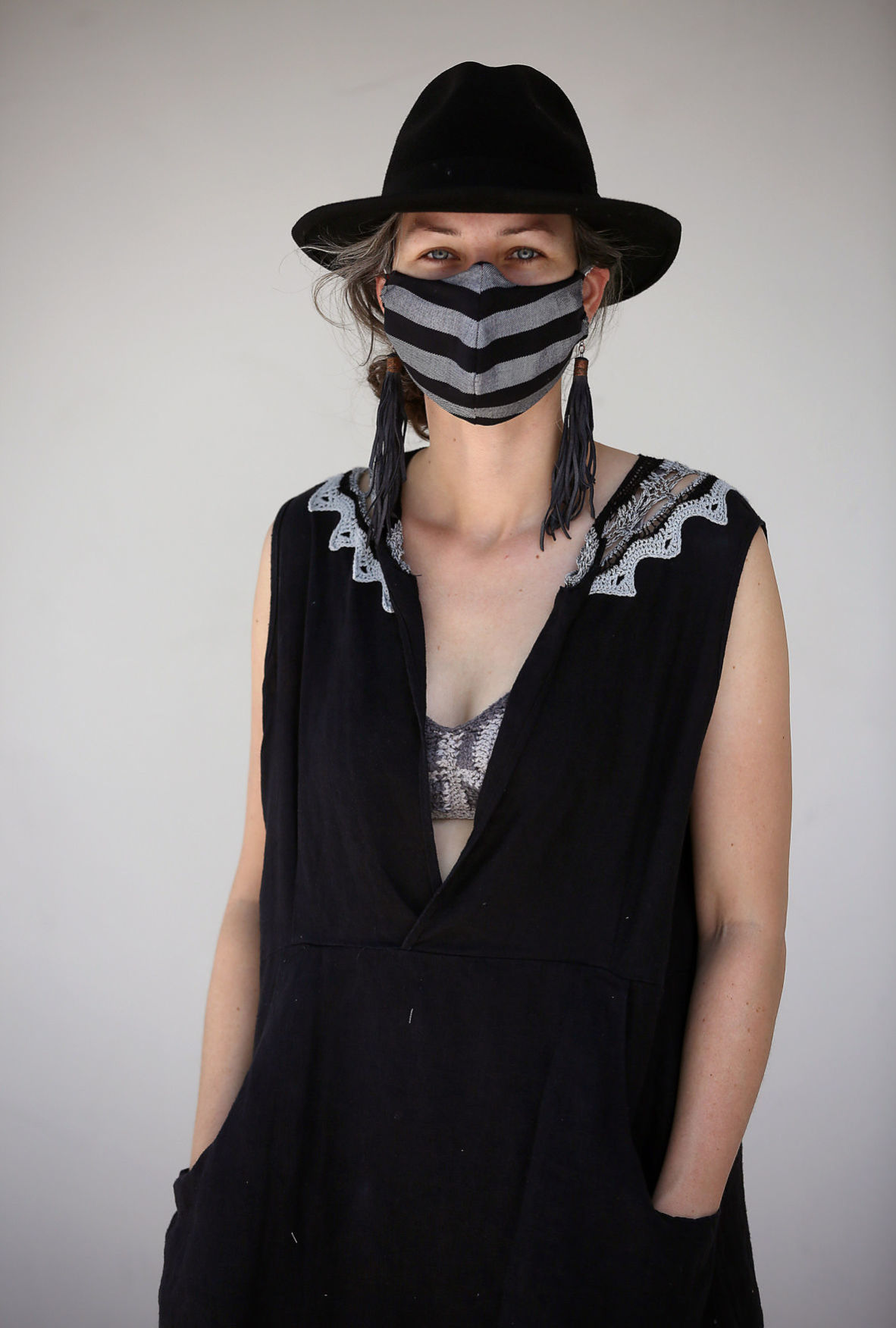
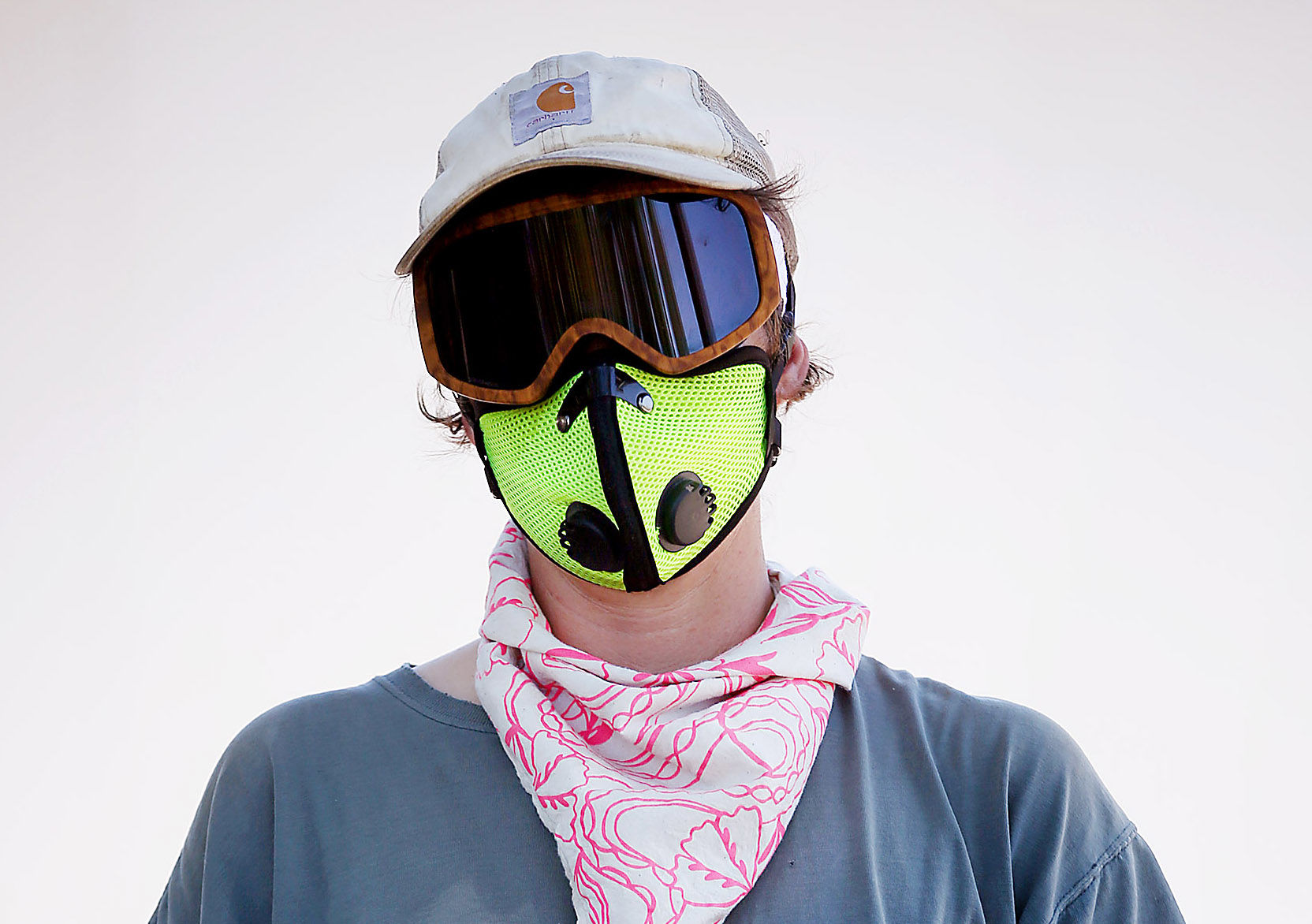
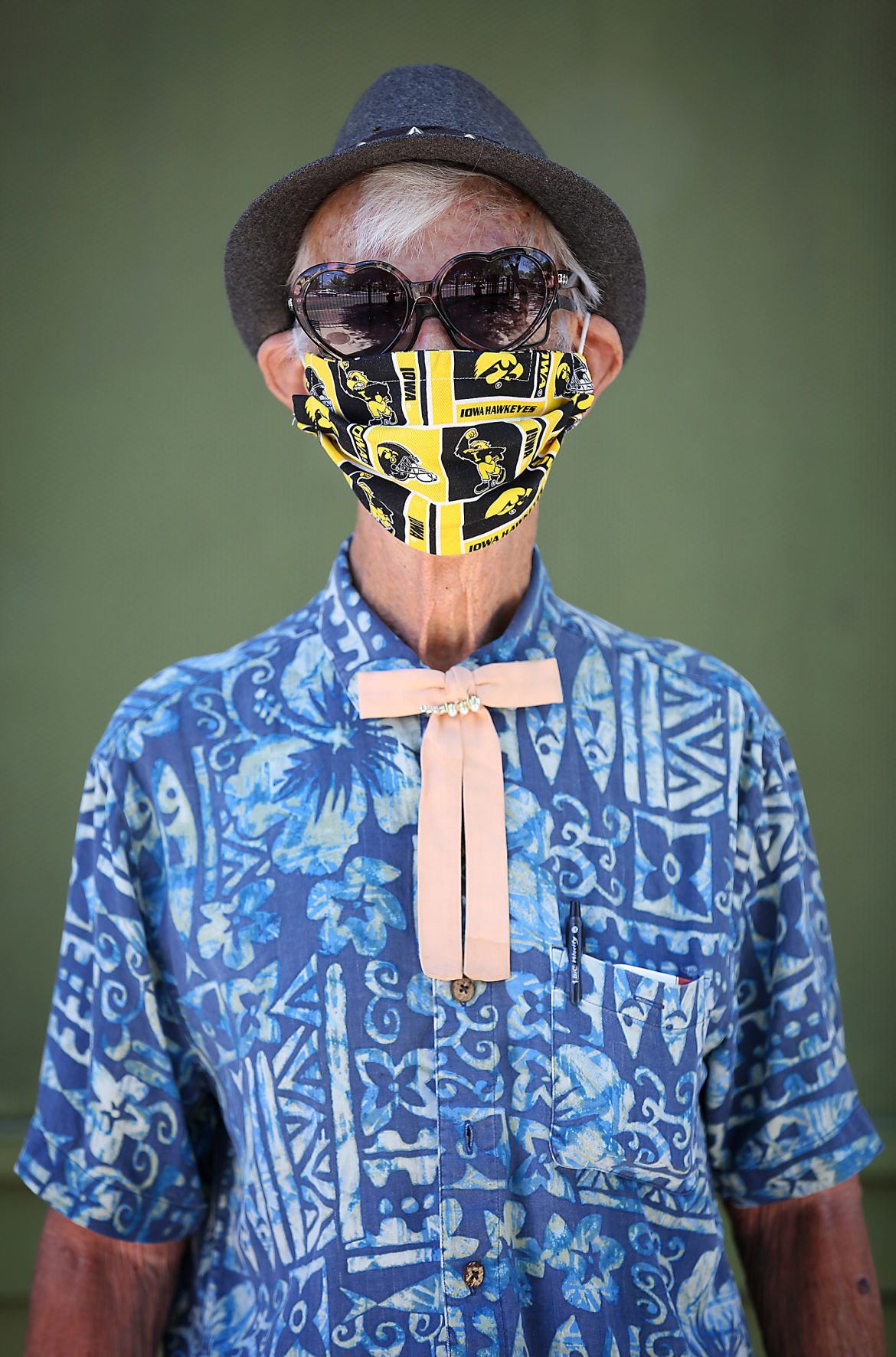
Photos: Tucsonans Don Masks to help curb Coronavirus

Tucsonans wearing masks, coronavirus
Tucsonans wearing masks, coronavirus
Mamta Popat / Arizona Daily Star

Tucsonans wearing masks, coronavirus

Tucsonans wearing masks, coronavirus

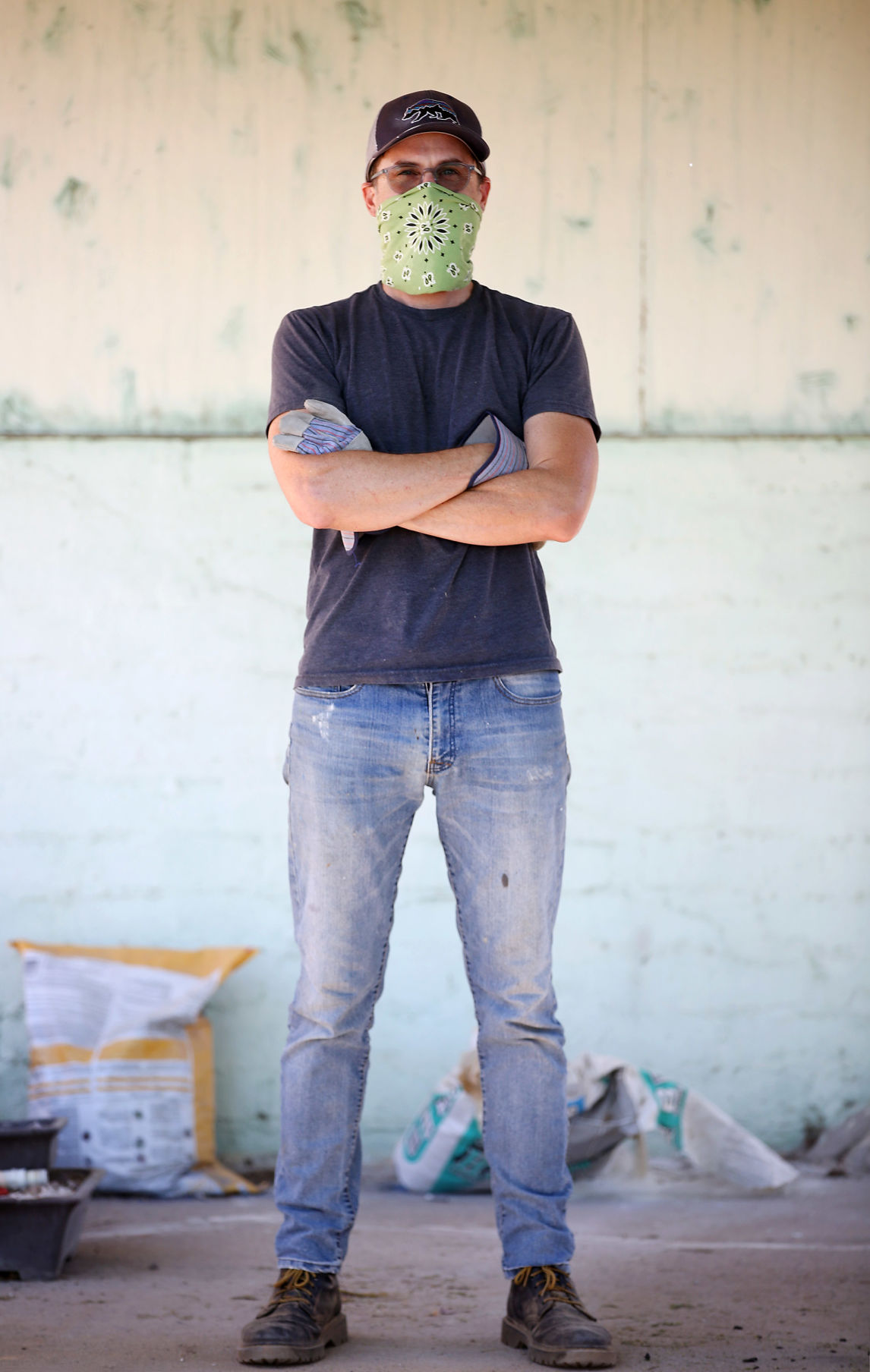
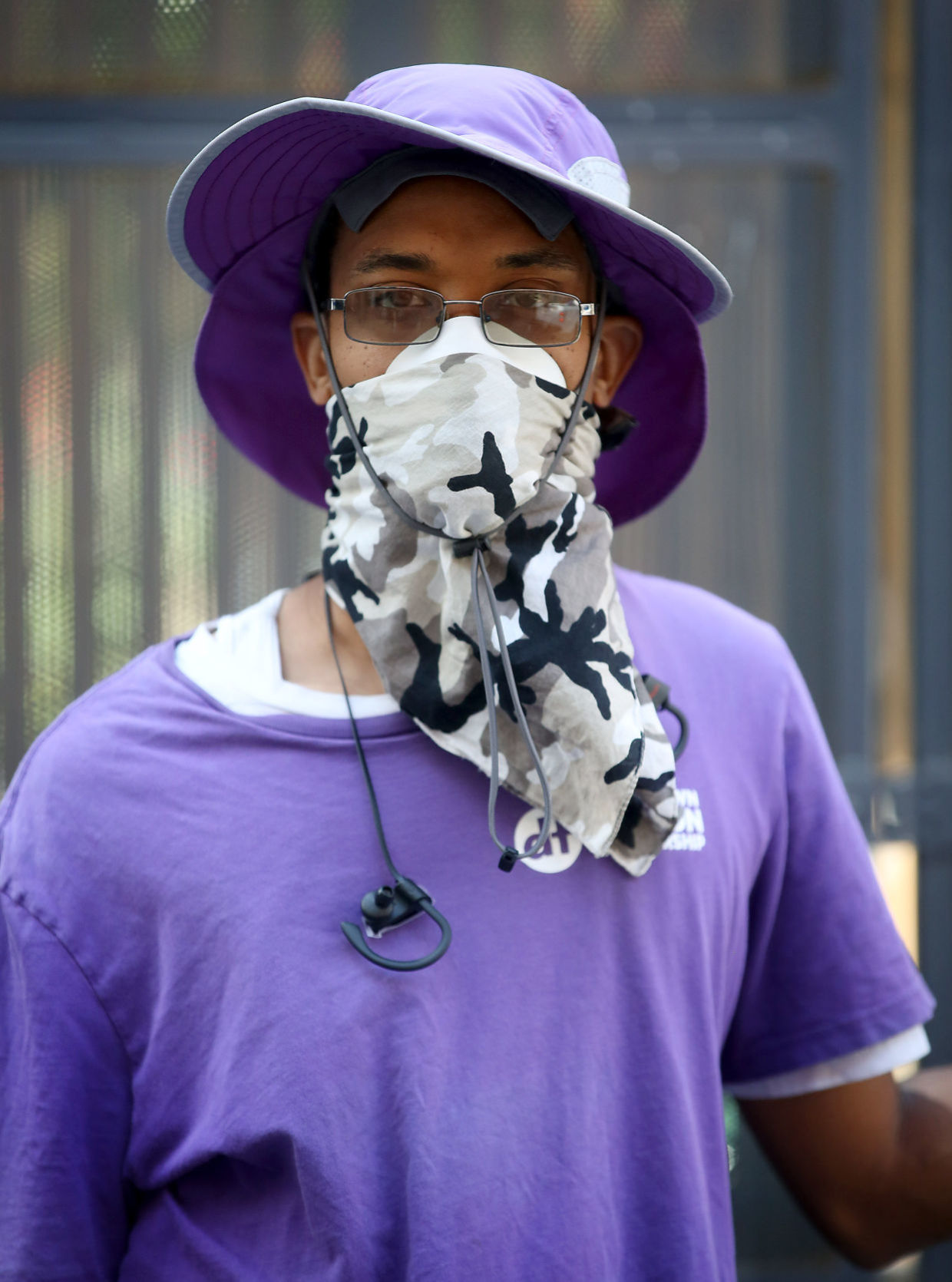
Tom "Tiger" Ziegler: "I miss my work, my customers and my co-workers. I don't want my people to get this damn disease." June 30, 2020

Mamta Popat / Arizona Daily Star

Tucsonans wearing masks, coronavirus

Tucsonans wearing masks, coronavirus

Rico Otero: "It's affected me by being limited in going out so much. Learn how to stay in more. Re-learning how to sanitize." June 2, 2020.

Mamta Popat / Arizona Daily Star

Tucsonans wearing masks, coronavirus

Tucsonans wearing masks, coronavirus

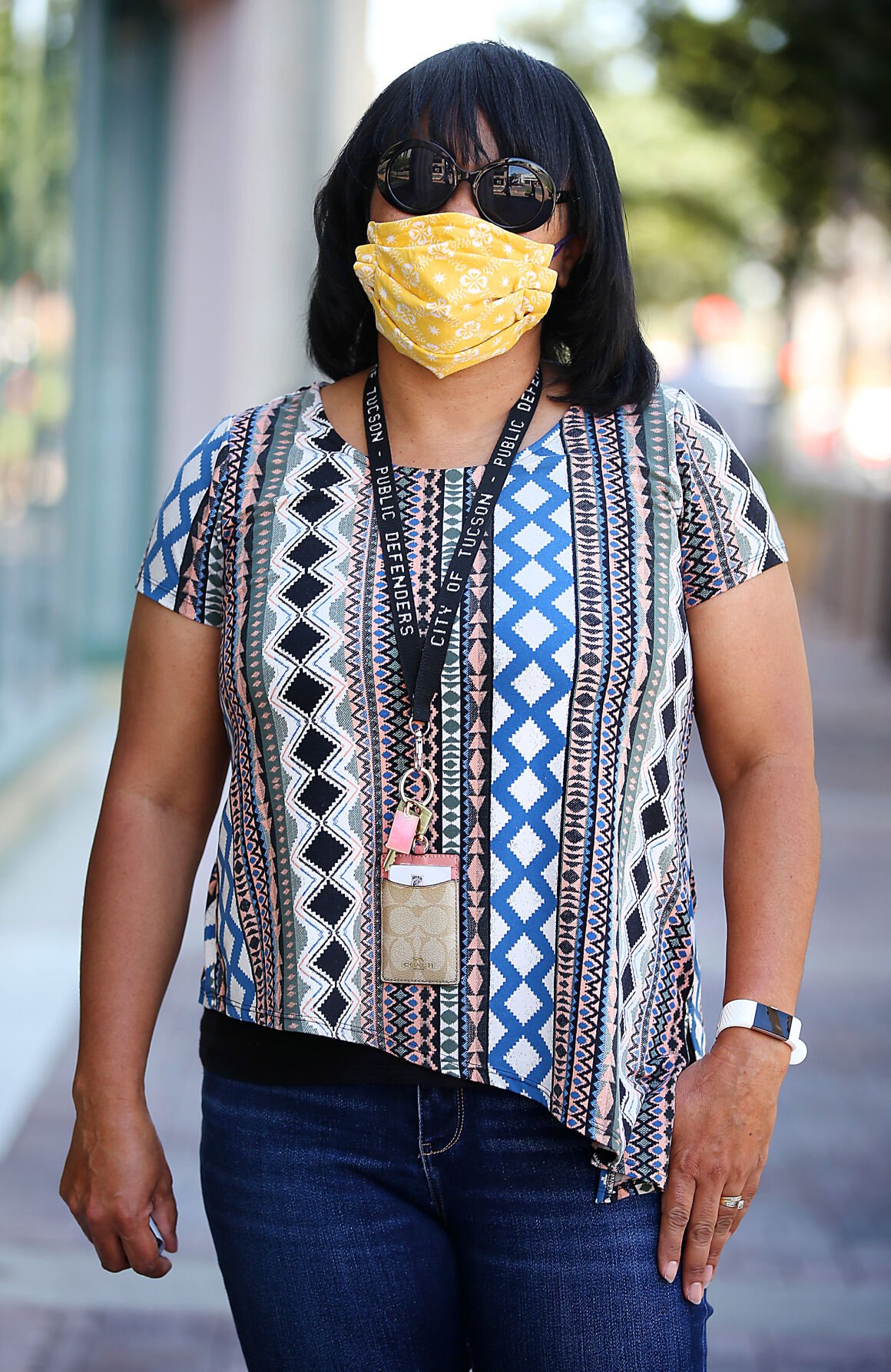
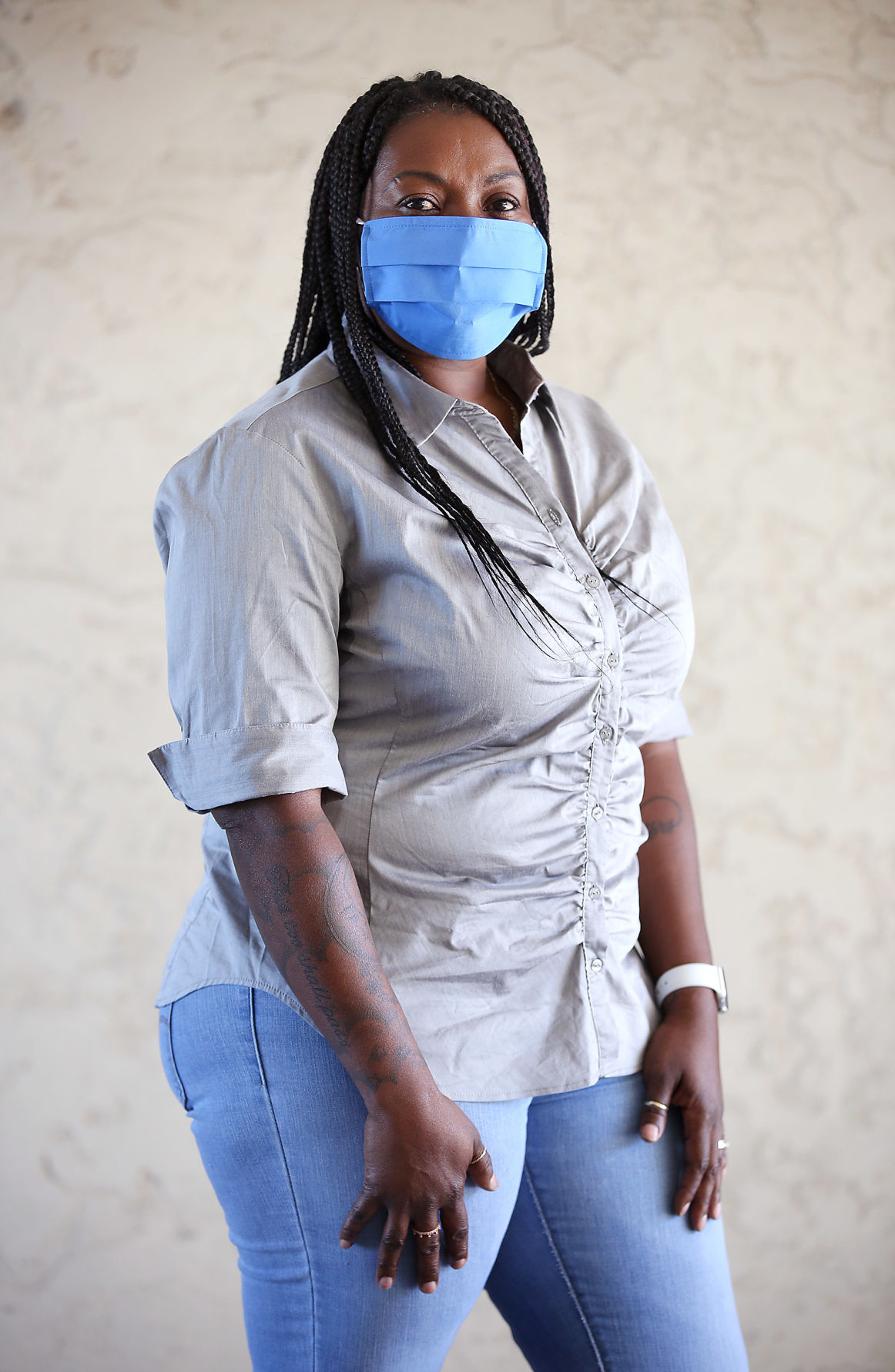
Pamela Stewart: "We've been turned upside down. Everything is different. For African Americans, we wear a mask and glasses, if I go into a bank or a business I'm already judged. It's a double threat for us as I see it." June 2, 2020.

Mamta Popat / Arizona Daily Star

Tucsonans wearing masks, coronavirus

Tucsonans wearing masks, coronavirus

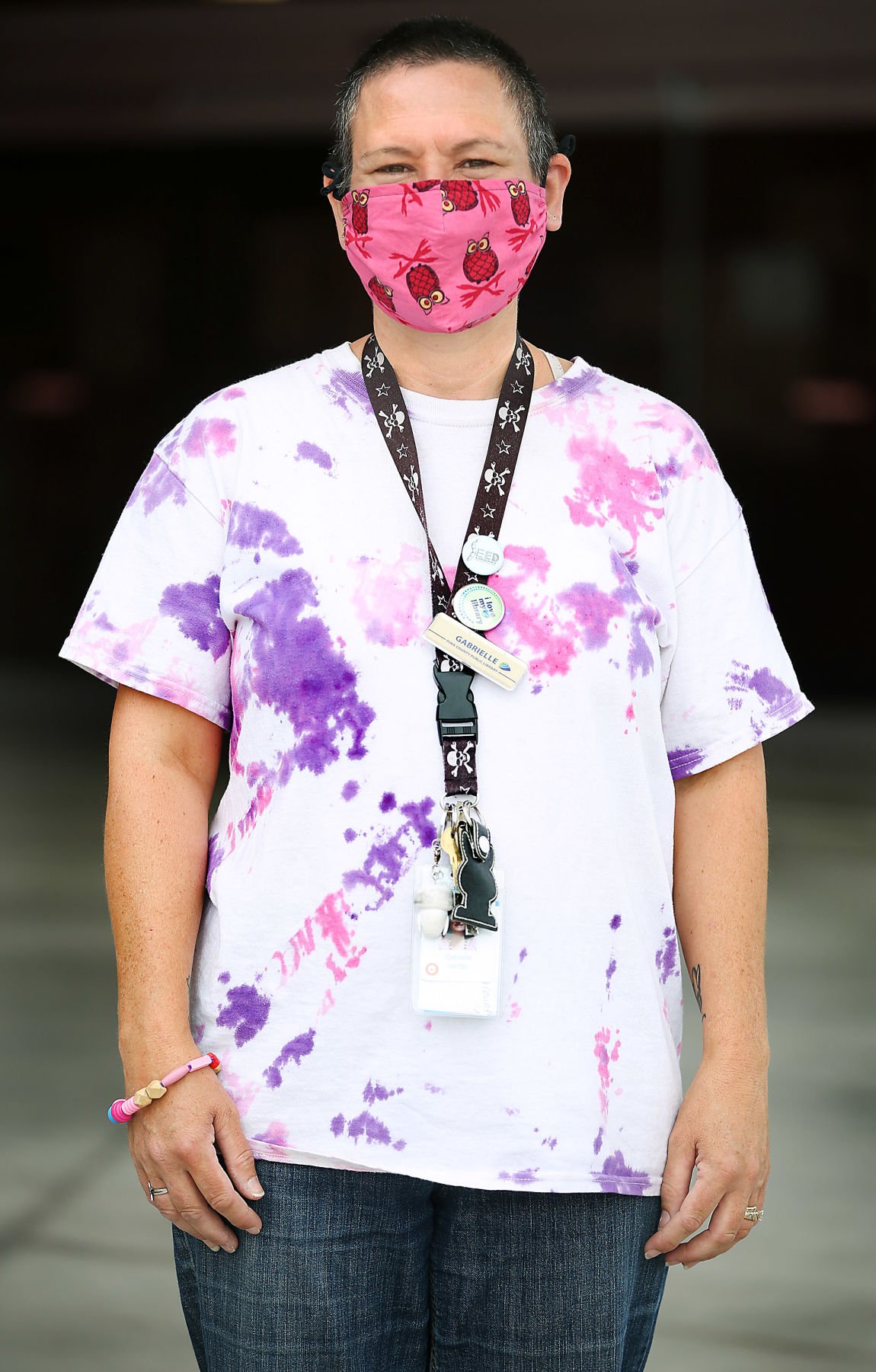
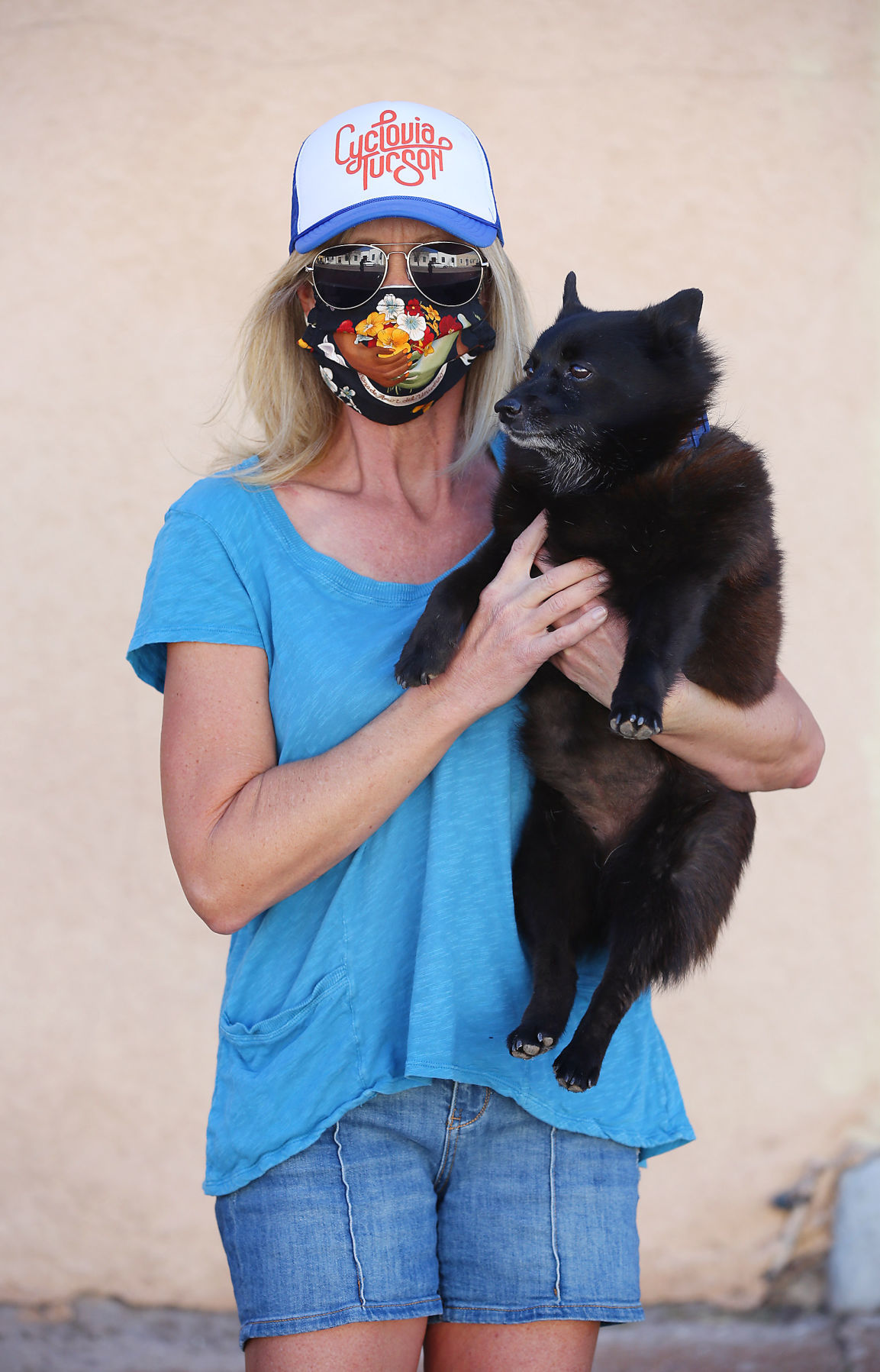
Gabrielle Nunn: "Mostly my daughter. She has autism. The huge change has been stressful for her. She worries about me, being at work." May 14, 2020.

Mamta Popat / Arizona Daily Star

Tucsonans wearing masks, coronavirus

Tucsonans wearing masks, coronavirus

Lori VanBuggenum: "Even though the distance hasn't changed, this has made me feel the furthest away from my family. Everyone is in Wyoming. I can't jump on a plane and go see them." May 5, 2020.

Mamta Popat / Arizona Daily Star

Tucsonans wearing masks, coronavirus

Tucsonans wearing masks, coronavirus

Benjamin Johnson: "The word uncertainty just keeps coming to mind. I feel the biggest thing for me is being fully open to uncertainty with kindness and compassion." April 29, 2020.

Mamta Popat / Arizona Daily Star

Tucsonans wearing masks, coronavirus

Tucsonans wearing masks, coronavirus

Cellisa Johnson: "It's affected me financially with my business as well as emotionally, not being able to be hands on with my clients." April 29, 2020.

Mamta Popat / Arizona Daily Star

Tucsonans wearing masks, coronavirus

Tucsonans wearing masks, coronavirus

Bebe Barbosa: "I am a touching person. I like to hug. I'm missing the embracing." April 24, 2020.

Mamta Popat / Arizona Daily Star

Tucsonans wearing masks, coronavirus

Tucsonans wearing masks, coronavirus

Logan Byers: "I'm very conscious how my actions affect other people now, more than ever. Every place I go to I'm conscious of how close I am to people." April 29, 2020.

Mamta Popat / Arizona Daily Star

Tucsonans wearing masks, coronavirus

Tucsonans wearing masks, coronavirus

Elana Bloom: "It was very shocking. Everything I had planned for – my whole business was canceled over a two day period." Bloom owns Solstice, a textile business and would make most of her money in the Spring to help with the slower months of Summer. April 14, 2020

Mamta Popat / Arizona Daily Star

Tucsonans wearing masks, coronavirus

Tucsonans wearing masks, coronavirus

Kristina Michelle: My cousin passed away four days ago in New Orleans. We can't get an autopsy for a while and there will be no funeral service. April 14, 2020

Mamta Popat / Arizona Daily Star

Tucsonans wearing masks, coronavirus

Tucsonans wearing masks, coronavirus

Pat Fisher: "A friend of a friend is living with me and his three cats. It was only supposed to be temporary, but now he can't find a job or pay for a place to rent. The situation probably won't change until the Fall." April 14, 2020

Mamta Popat / Arizona Daily Star

Tucsonans wearing masks, coronavirus

Tucsonans wearing masks, coronavirus

Lori Adkison: "This is reaffirming my belief in community." April 13, 2020

Mamta Popat / Arizona Daily Star

Tucsonans wearing masks, coronavirus

Tucsonans wearing masks, coronavirus

Sammy Cabrera: "A lot of people grab what they don't need at stores. I don't like the way some people are acting." April 8, 2020.

Mamta Popat / Arizona Daily Star

Tucsonans wearing masks, coronavirus

Tucsonans wearing masks, coronavirus

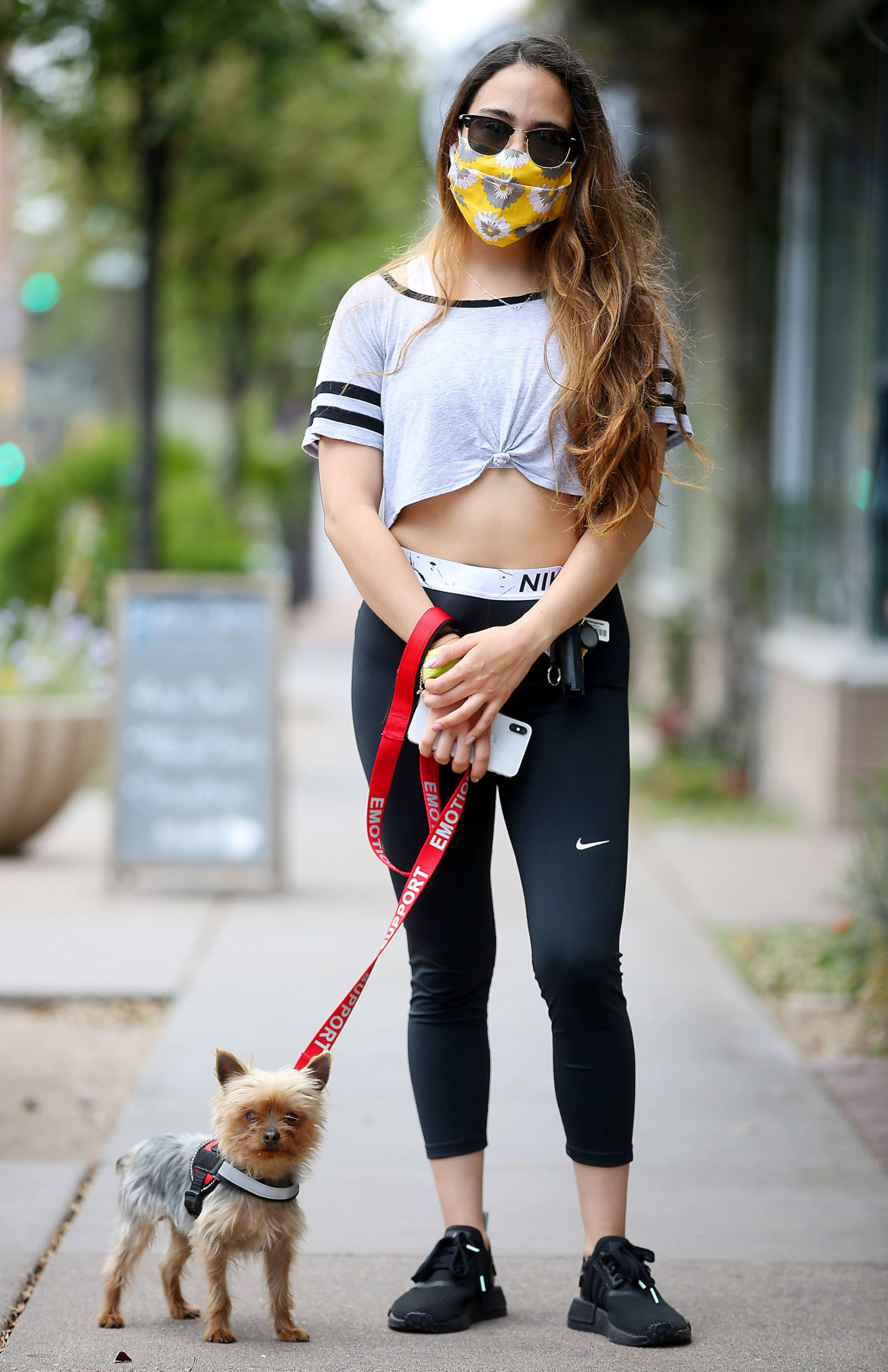
Jamie Galindo: "I'm getting over an ex-boyfriend and having to social distance is difficult." April 8, 2020.

Mamta Popat / Arizona Daily Star

Tucsonans wearing masks, coronavirus

Tucsonans wearing masks, coronavirus

Michelle Arreola: "My whole life is on hold." Job interviews are postponed and the medical college admission test is on hold. April 8, 2020.

Mamta Popat / Arizona Daily Star

Tucsonans wearing masks, coronavirus

Tucsonans wearing masks, coronavirus

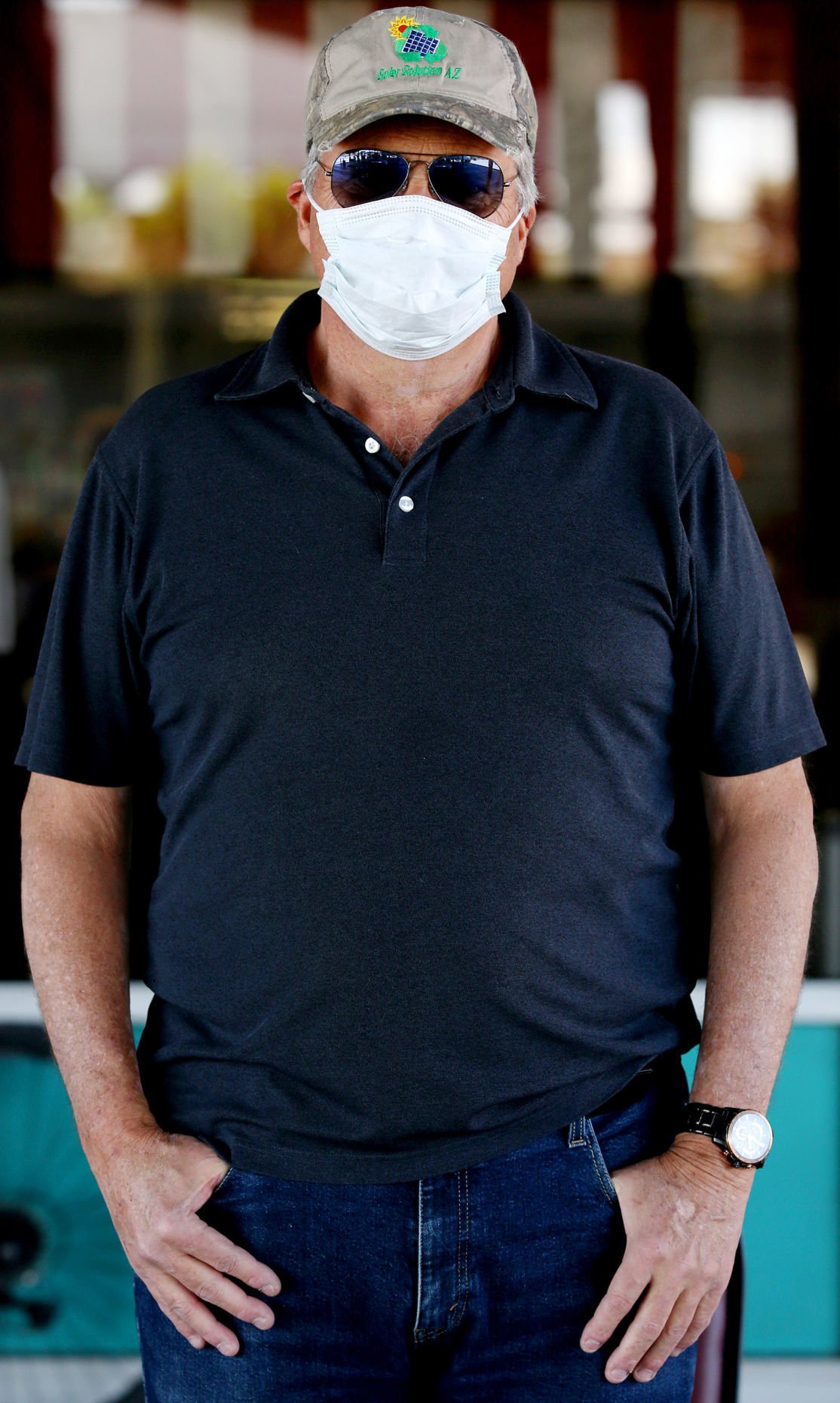
Kent Bauman: "I've had less of an impact. I work for a solar company so we're running full steam. People are home and are thinking about self-sufficiency and thinking about the environment." April 16, 2020

Mamta Popat / Arizona Daily Star

Tucsonans wearing masks, coronavirus

Tucsonans wearing masks, coronavirus

Trevonn Clark: "I miss going to restaurants and the movies." April 8, 2020.

Mamta Popat / Arizona Daily Star

Tucsonans wearing masks, coronavirus

Tucsonans wearing masks, coronavirus

Laura Eliason: "I wonder when I'll be able to travel and see my family again." April 8, 2020.

Mamta Popat / Arizona Daily Star

Tucsonans wearing masks, coronavirus

Tucsonans wearing masks, coronavirus

George Ortega, retiree: "I am retired. I wear a mask because it makes me feel good and others feel good." April 6, 2020.

Rebecca Sasnett / Arizona Daily Star

Tucsonans wearing masks, coronavirus

Tucsonans wearing masks, coronavirus

Fox Nopri: "It has definitely affected me by how I keep up with my behavioral health. Most of the places I go have been closed down or have set dates to close." April 6, 2020.

Rebecca Sasnett / Arizona Daily Star

Tucsonans wearing masks, coronavirus

Tucsonans wearing masks, coronavirus

Jeronimo "Mo" Madril, owner and executive chef of Geronimo's Revenge: "As an owner and driven person, I am very discouraged. It is what it is." April 6, 2020.

Rebecca Sasnett / Arizona Daily Star

Tucsonans wearing masks, coronavirus

Tucsonans wearing masks, coronavirus

David Clarke, unemployed bartender: "I am an out of work bartender. Jobs have instantly vanished." April 6, 2020.

Rebecca Sasnett / Arizona Daily Star

Tucsonans wearing masks, coronavirus

Tucsonans wearing masks, coronavirus

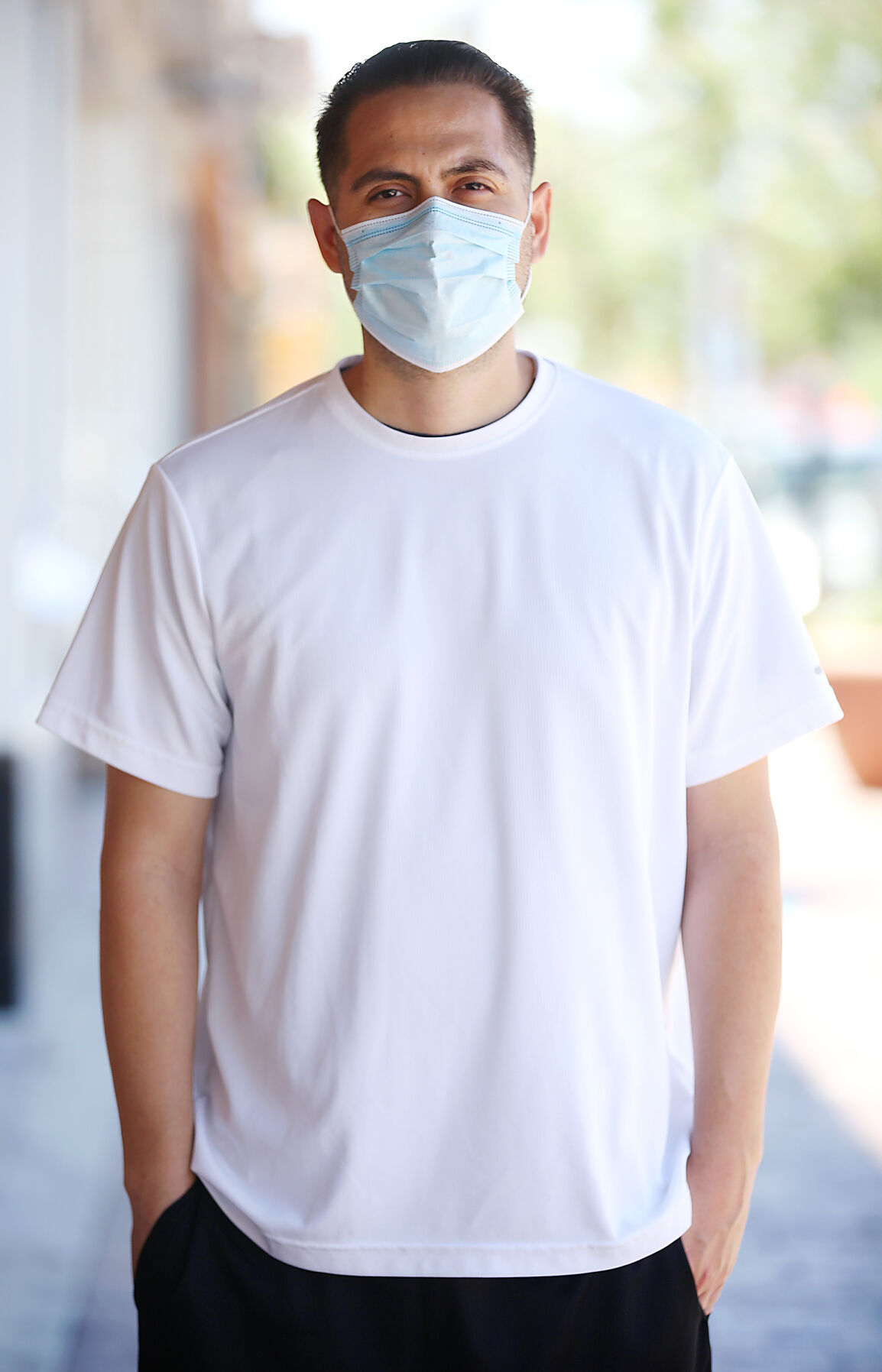
Leonel Cabrera. April 6, 2020.

Rebecca Sasnett / Arizona Daily Star

Related to this collection

Black women may face particular risk from pollution and climate change during pregnancy

Black women may face particular risk from pollution and climate change during pregnancy

A new study suggests that pregnant Black women are at highest risk for adverse birth outcomes due to the environmental effects of climate change and pollution.

Amid coronavirus, new mothers fear for their babies

Amid coronavirus, new mothers fear for their babies

The coronavirus outbreak has shattered the plans new mothers dreamt of for months. 

Coronavirus means kids’ fitness routines have changed, leaving them vulnerable to weight gain, obesity

Coronavirus means kids’ fitness routines have changed, leaving them vulnerable to weight gain, obesity

The spring’s coronavirus stay-at-home orders, and now the cancellation of many summer activities, may aggravate what’s already a difficult season for children when it comes to gaining weight, experts fear.

They thought they were empty nesters. Then their adult children came home during quarantine.

They thought they were empty nesters. Then their adult children came home during quarantine.

“You get in this routine, and you realize this is how it’s supposed to be.”

Arizona Daily Star
  • Facebook
  • Twitter
  • Bluesky
  • YouTube
  • Instagram
  • Arizona Daily Star Store
  • This is Tucson
  • Saddlebag Notes
  • Tucson Festival of Books

Sites & Partners

  • E-edition
  • Classifieds
  • Events calendar
  • Careers @ Lee Enterprises
  • Careers @ Gannett
  • Online Features
  • Sponsored Blogs
  • Get Healthy

Services

  • Advertise with us
  • Register
  • Contact us
  • RSS feeds
  • Newsletters
  • Photo reprints
  • Subscriber services
  • Subscription FAQ
  • Licensing
  • Shopping
© Copyright 2026 Arizona Daily Star, PO Box 26887 Tucson, AZ 85726-6887
Terms of Use | Privacy Policy | Advertising Terms of Use | Do Not Sell My Info | Cookie Preferences
Powered by BLOX Content Management System from bloxdigital.com.
  • Notifications
  • Settings
You don't have any notifications.

Get up-to-the-minute news sent straight to your device.

Topics

News Alerts

Breaking News