

Autumn in Tucson: Apple Annie's pumpkin primer
Apple Annie's co-owner Mandy Kirkendall goes through some of the varieties.
Orange Cinderella
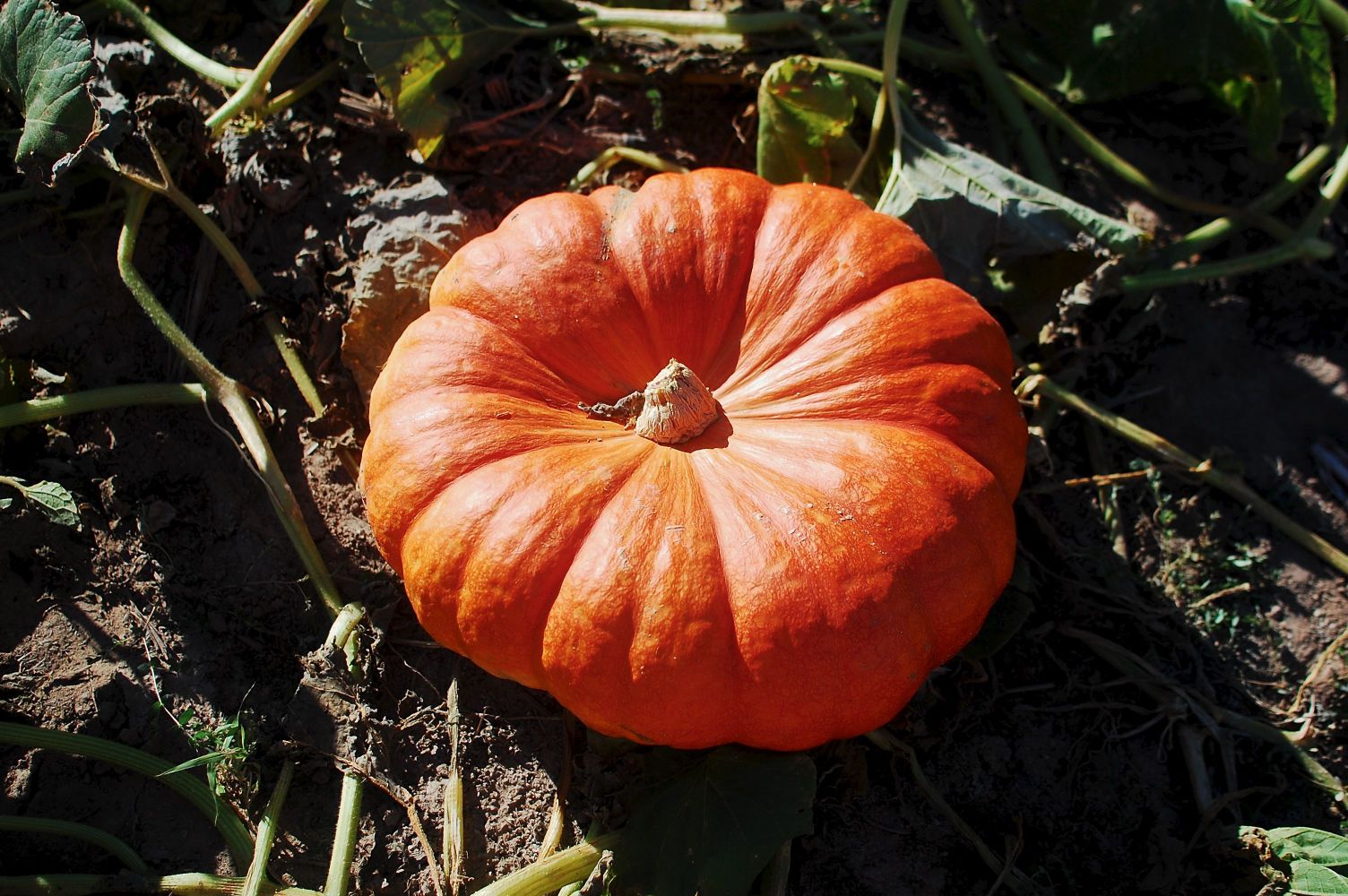
This orange pumpkin comes from a French heirloom variety called "Rouge vif D'Etampes." But in the United States, we call it a Cinderella, because it resembles the pumpkin that Cinderella's fairy godmother transformed into a carriage.
Warty pumpkin
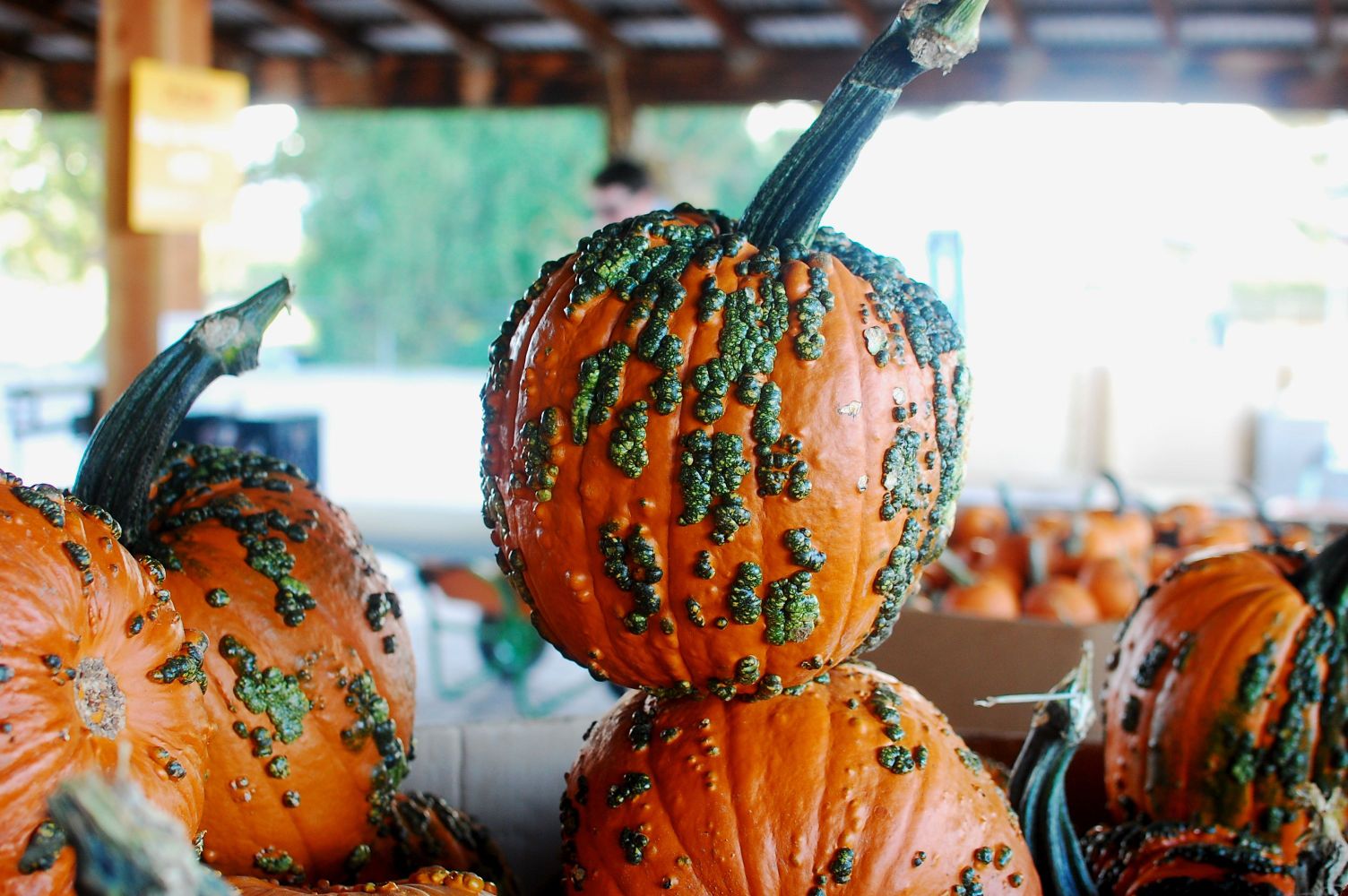
The Warty Pumpkin! From the pros: "The Pilgrims ate pumpkin at their first Thanksgiving feast, but you can bet they'd be shocked to see this odd, warted pumpkin. No, it does not have second-degree burns, and it's not rotten or diseased. Warty pumpkins have been genetically engineered to look, well ... hideous!"
White Cinderella
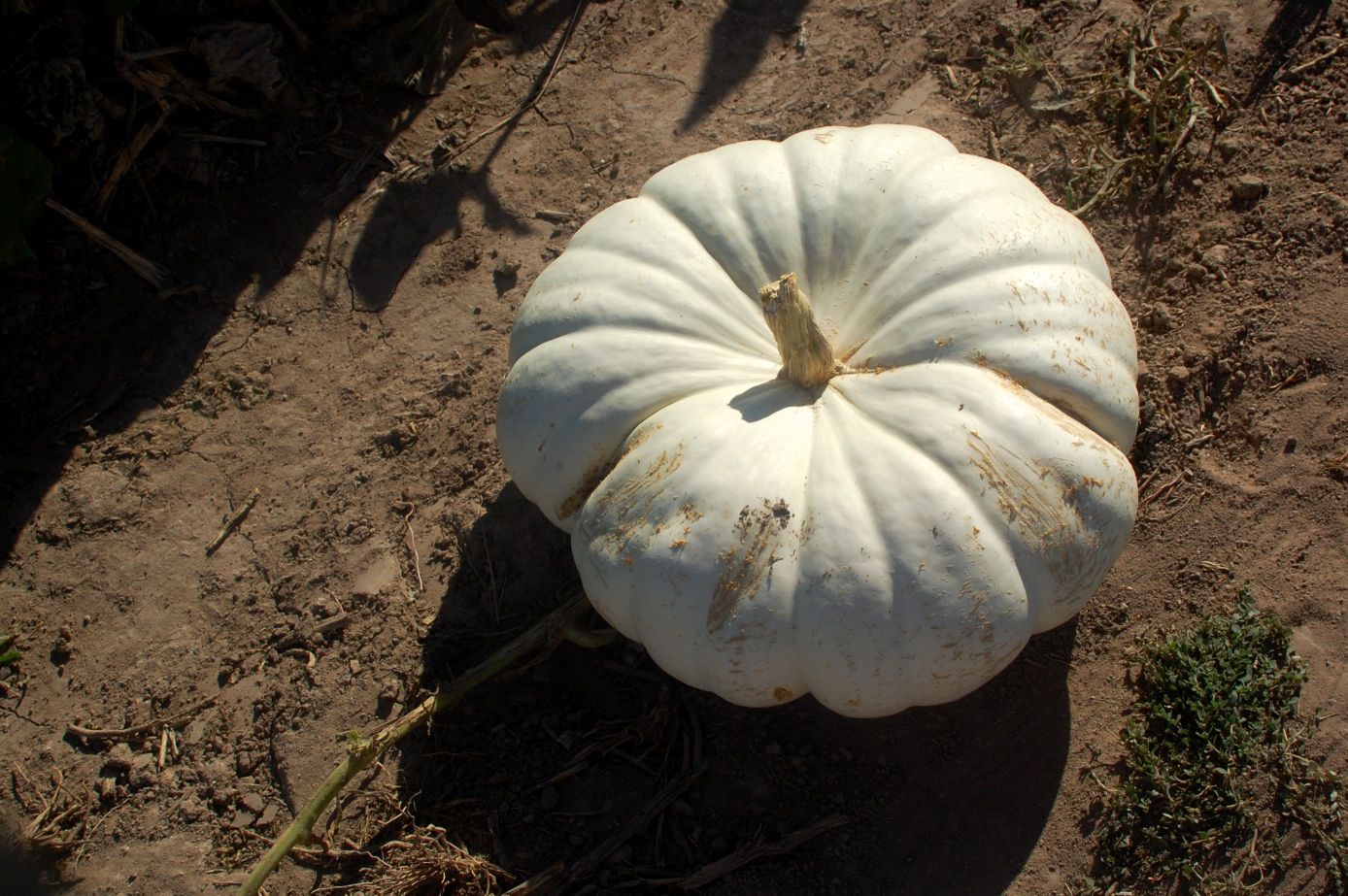
Another Cinderella, a favorite variety of Apple Annie's because there's "something magical about them." It's recorded that this pumpkin is the same variety as the ones cultivated by the Pilgrims and served at the second Thanksgiving dinner.
Pink Cinderella
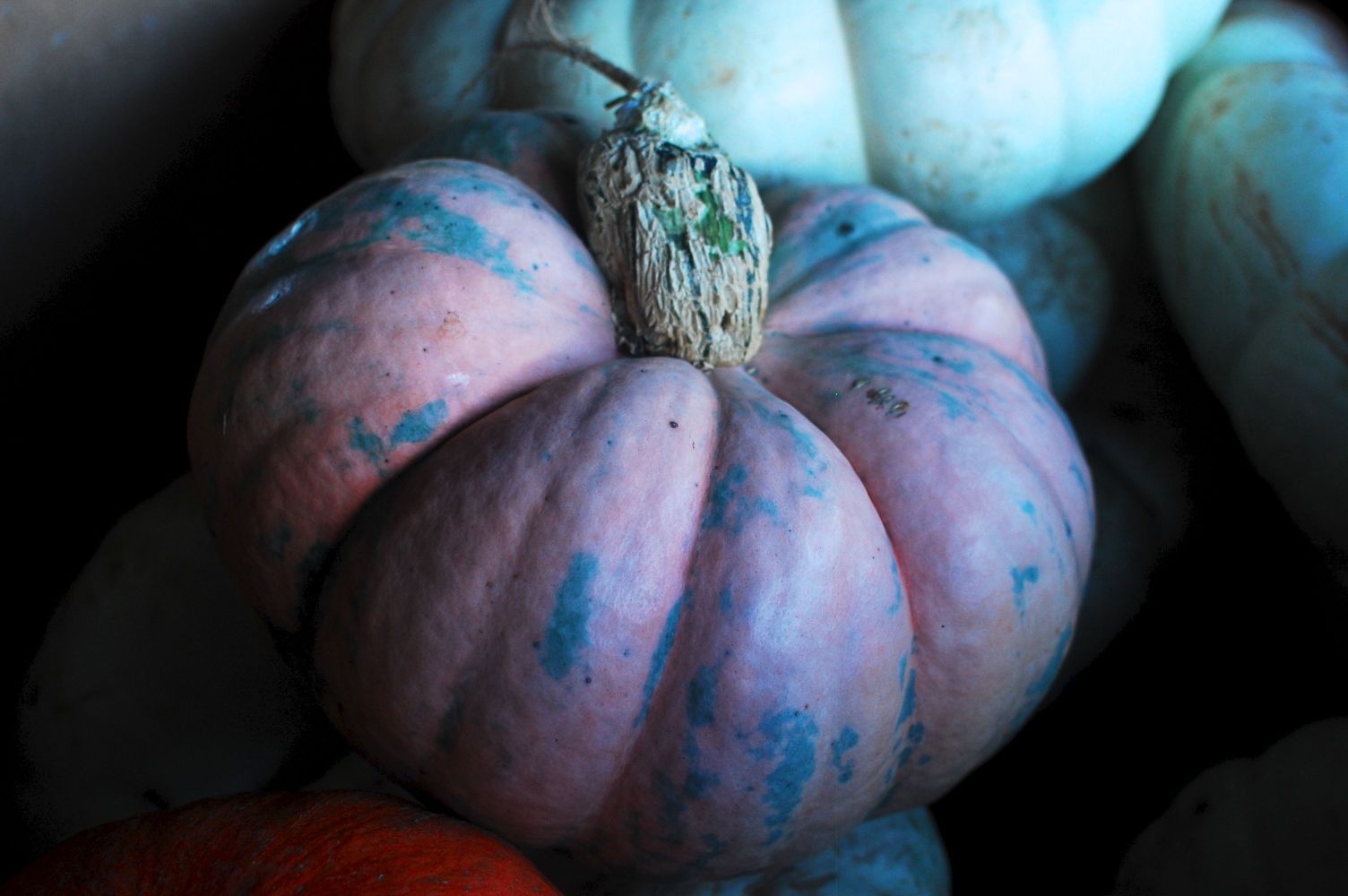
I couldn't resist taking this beautiful pink Cinderella home with me. In addition to making a great decoration, it can also be used in pie or winter squash recipes.
Blue Hubbard
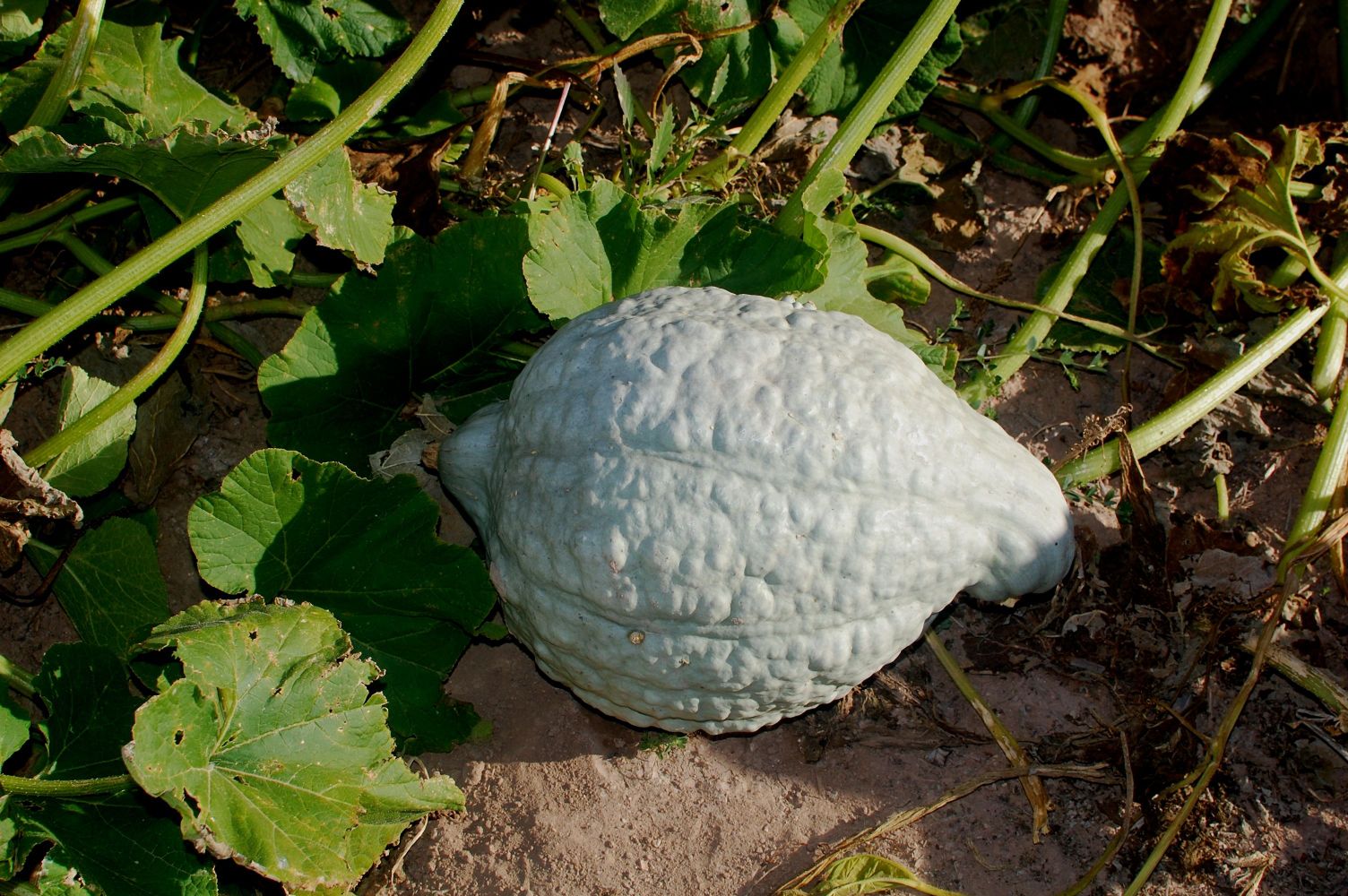
Apple Annie's pumpkin patch is dotted with these big burly Blue Hubbard squash. But these guys have been in New England since at least the time of our great grandmothers. The hard shell protects them for long periods in storage, and in addition to being really awesome looking, they're excellent for baking, pies and soup.
Kandy Korn

The Kandy Korn pumpkin is marked by its dark green handles and its vibrant orange color.
Captain Jack
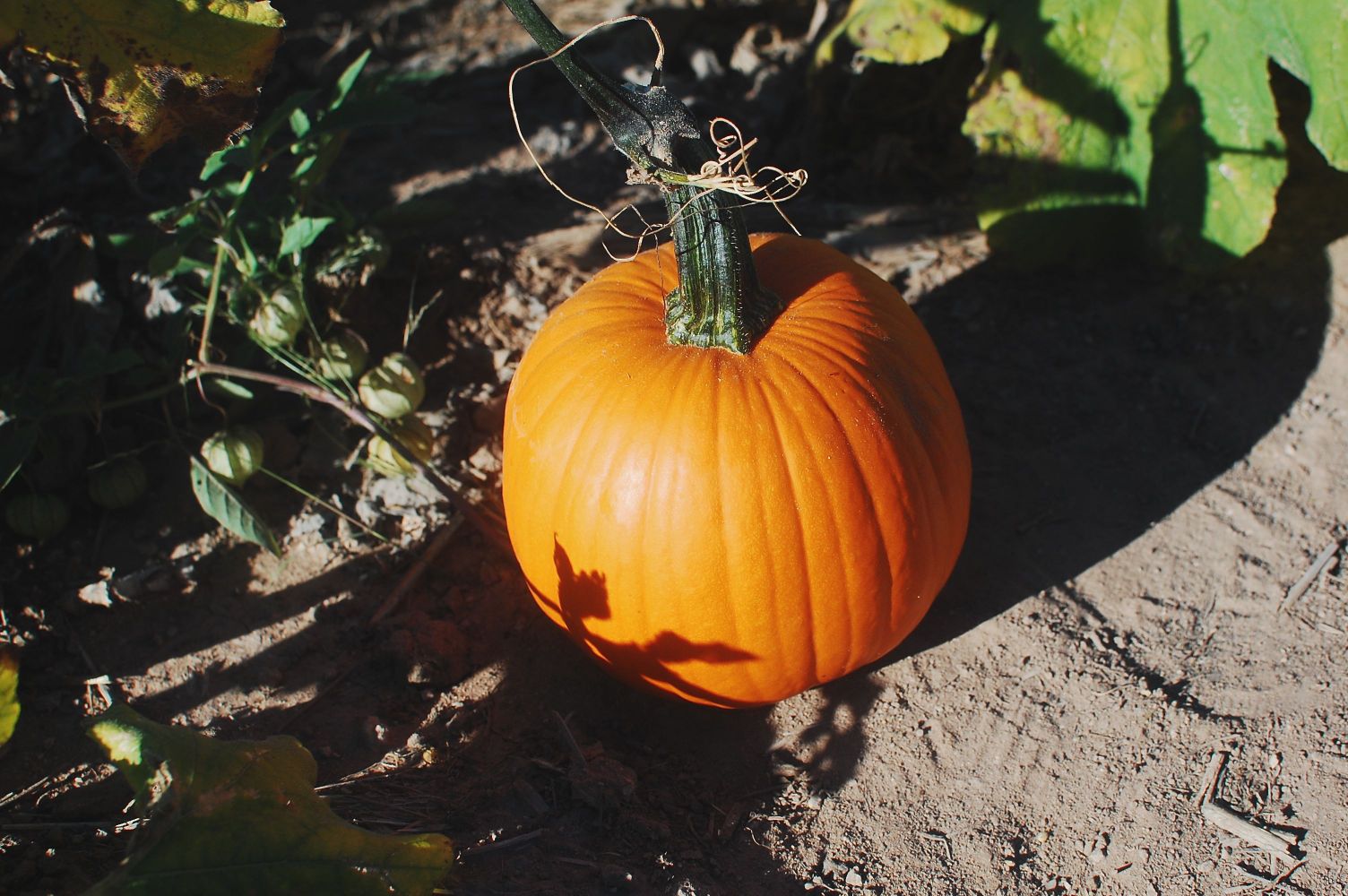
The iconic Captain Jack pumpkin, extra-large with an upright, barrel shape and large well-rooted handles. This is the stuff you want to carve, but please, do yourself a favor and use a kit!
Minis
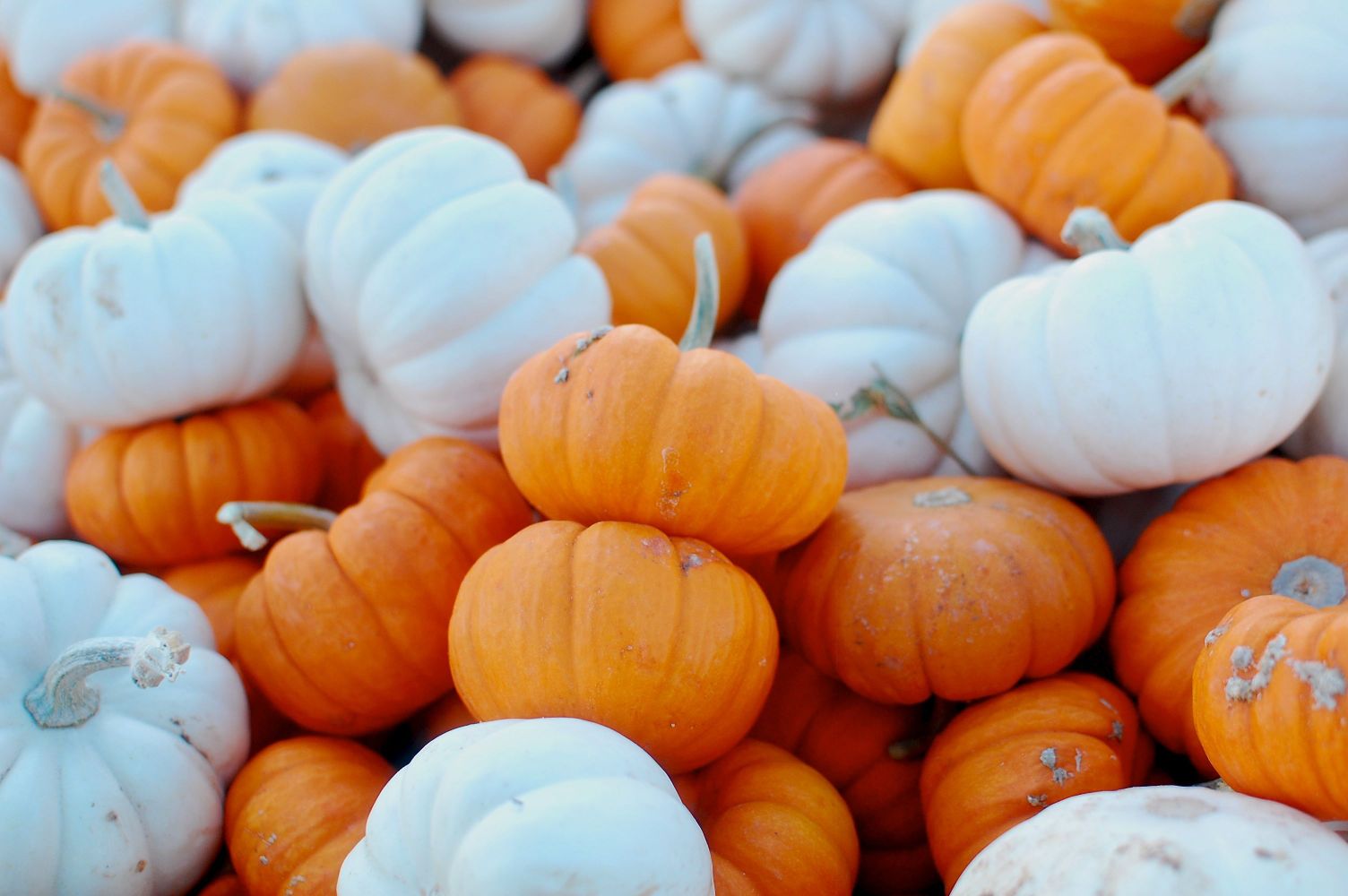
Mini pumpkins! Not much edible value, but they look great around the house!
Spaghetti Squash
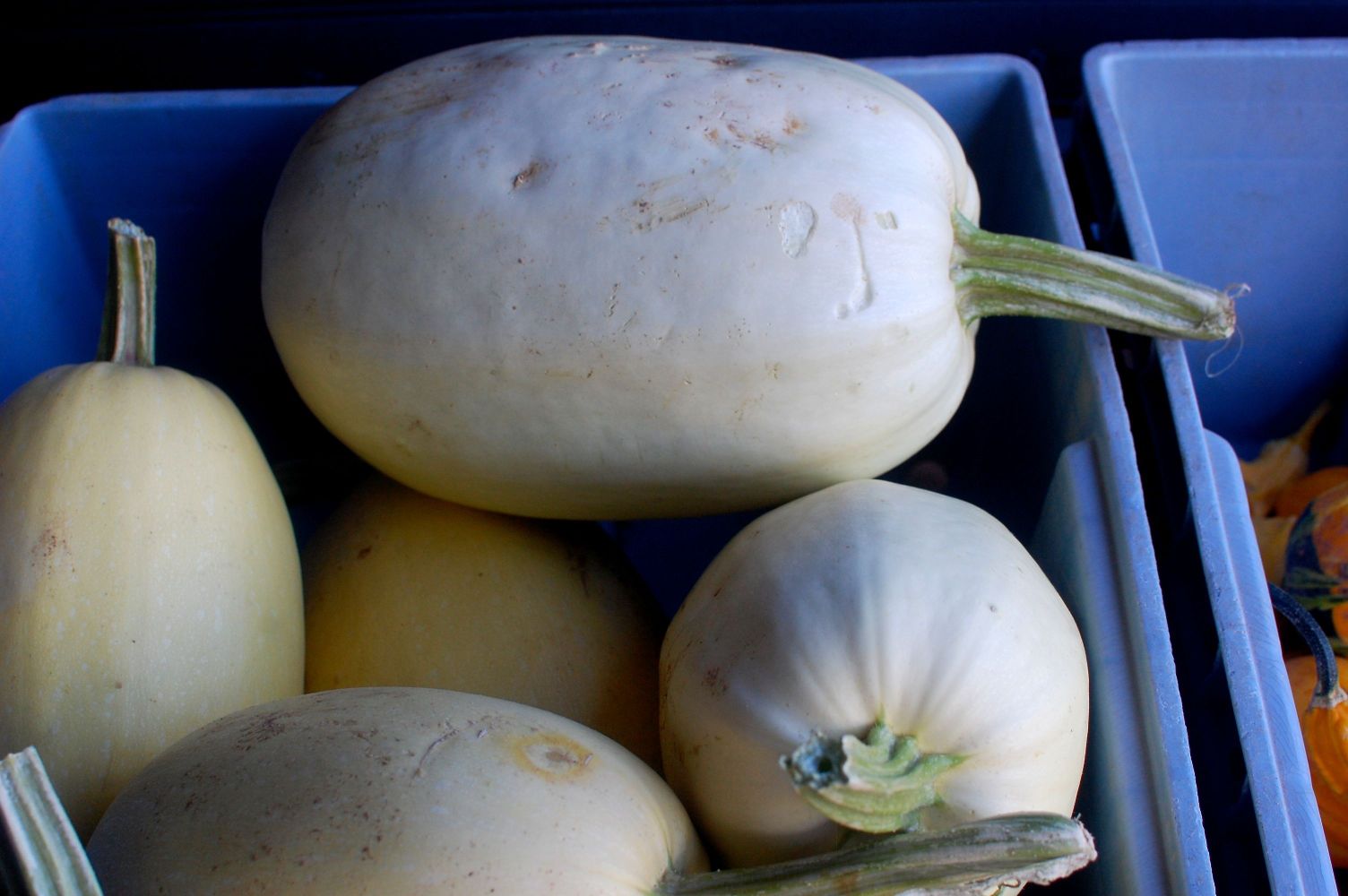
Spaghetti squash, which (not surprisingly) makes an excellent substitute for pasta in pesto or tomato-based sauce. For a complete guide on how to prepare the flesh and even roast its seeds, read our Fall blog here.
Acorn Squash

Acorn squash fill the bins at the front of the lot. With a smooth orange-yellow flesh, their flavor is sweet and nutty. Experts recommend for best sweetness, to wait at least two weeks after harvest before you eat them. While many chefs get creative, we prefer them simply roasted and slathered in butter and brown sugar.
Ornamental gourds

And everyone's favorite, the ornamental gourd! Fall's funkiest expression, but also its most fabulous ...

Flavors, events, traditions: We share why fall is a season to be savored.