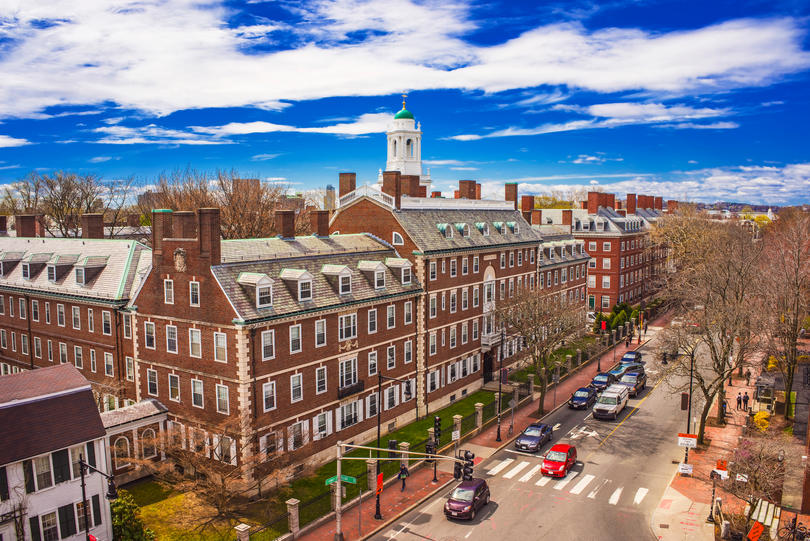
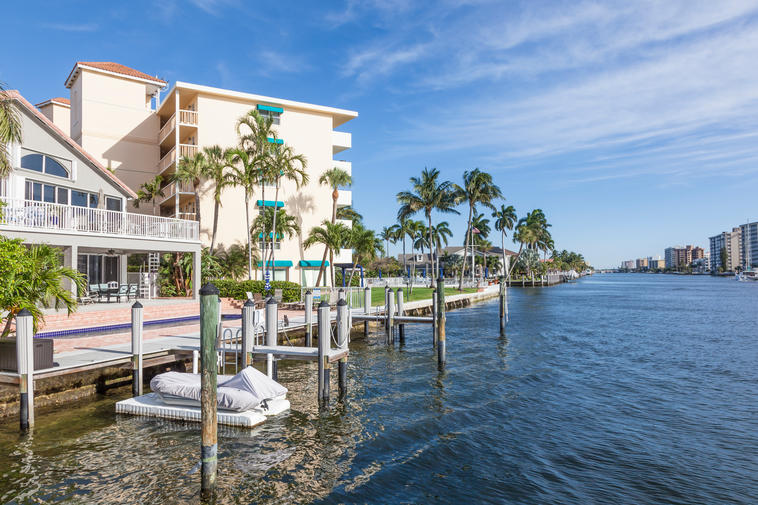
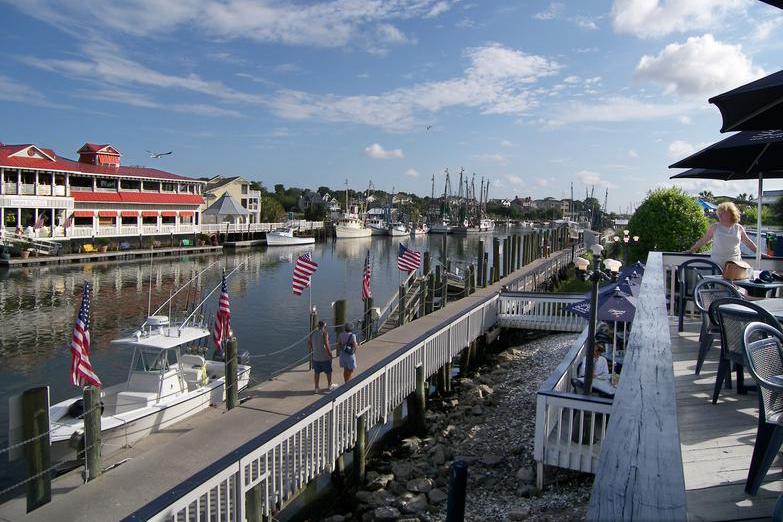
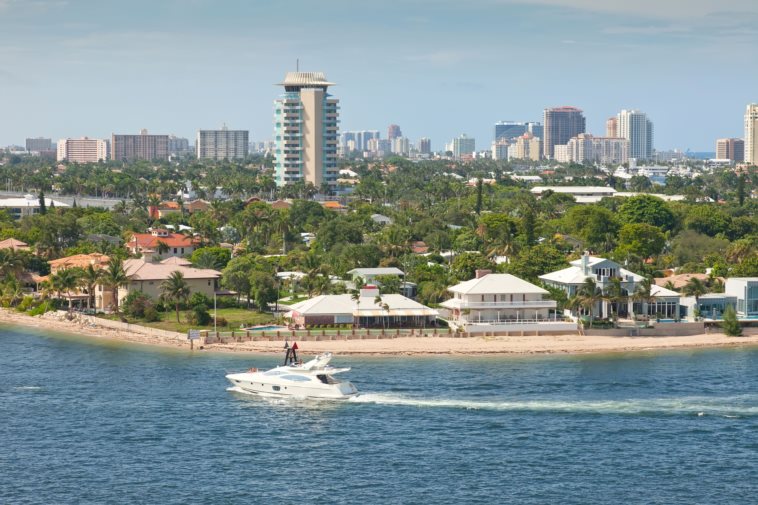
Photo Credit: Sean Pavone / Alamy Stock Photo
With global temperatures rising at an alarming rate, climate change has become one of the most pressing issues of our time. A special report released by the Intergovernmental Panel on Climate Change (IPCC) contends that land and ocean ecosystems are already starting to change as a result of high carbon emissions, and it is essential to keep the total global temperature increase below 1.5°C. If carbon emissions and pollution are left unchecked, human necessities like food security, natural resources, and urban development will be in jeopardy.
According to the IPCC report, one of the most drastic effects of climate change is rising sea levels. When sea levels rise, the likelihood of flooding and damage to infrastructure in coastal communities increases. However, not all coastal areas will be equally affected by sea level changes due to differences in topography, man-made barriers, and the distribution of residential and commercial structures.
A recent research report by Climate Central and Zillow analyzed these factors to determine which cities and states are most at risk for damage. According to the report, states on the East Coast are generally at a higher risk than those on the West Coast. In particular, 14.6 percent of all homes in Florida and 9.2 percent of homes in New Jersey are located in high-risk flood zones.
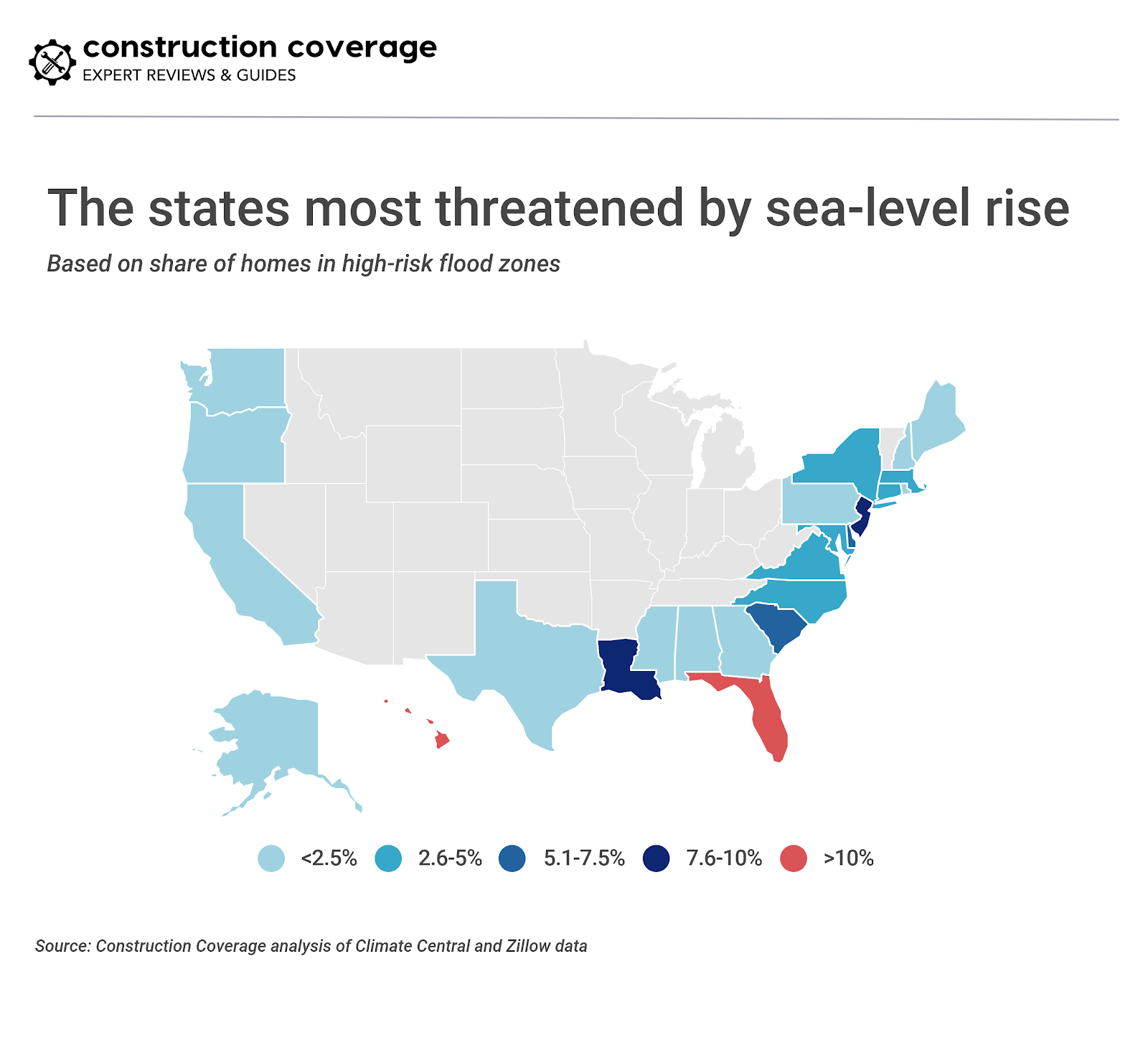
Despite the increased risk of flooding, damage, and loss with climate change, housing developers aren’t avoiding low-lying areas. According to the Climate Central and Zillow report, residential construction in high-risk flood zones is outpacing development in safer areas in more than half of U.S. coastal states.
A prime example is New Jersey, where Hurricane Sandy caused more than $70 billion in damage to coastal communities in 2012. Despite this, housing development in the state’s high-risk zones has, in recent years, far outpaced new home construction in safer areas. Other states with disproportionately high development rates in high-risk zones include Maine, New Hampshire, Connecticut, Rhode Island, Delaware, South Carolina, Mississippi, and Hawaii.

To get a more granular view of at-risk communities, Construction Coverage further analyzed the research report conducted by Climate Central and Zillow. Its researchers compiled a list of U.S. cities most threatened by sea-level rise based on the percentage of total housing units projected to be in high-risk zones by the year 2100 (assuming no reduction in carbon emissions).
The final list only includes cities with at least 25 percent of housing units in high risk zones. Notably, eight of the 20 most-at-risk cities are located in Florida and a large majority are located in the South. Here are the U.S. cities most threatened by rising sea levels.