

Photos: Colossal Cave from construction by CCC in 1930s to today
Nestled in the Rincon Mountains south of Saguaro National Park, Colossal Cave Mountain Park is full of stalactites, stalagmites and flowstone, among other formations. It's a cool 70-degrees all year long.
It was built by the Civilian Conservation Corps during the Great Depression of the 1930s. Two companies of CCC workers housed at La Posta Quemada Ranch (now part of the park) improved the site, built the road and the stone buildings that are now listed on the National Register of Historic Places.

People posing outside the then-uncovered entrance to Colossal Cave southeast of Tucson in the mid-1930s.

The Civilian Conservation Corps constructing the road for Colossal Cave southeast of Tucson in the mid-1930s.

Tent camp. Civilian Conservation Corps construction of Colossal Cave Mountain Park in the 1930s.

Barracks camp. Civilian Conservation Corps construction of Colossal Cave Mountain Park in the 1930s.

Government vehicles at the Civilian Conservation Corps camp at La Posta Quemada Ranch, Colossal Cave southeast of Tucson in the mid-1930s.

The Civilian Conservation Corps constructing the road for Colossal Cave southeast of Tucson in the mid-1930s.

A worker checks the engine on a government pickup truck on a service ramp near Colossal Cave southeast of Tucson in the mid-1930s.

The Civilian Conservation Corps constructing the road for Colossal Cave southeast of Tucson in the mid-1930s.

Adobe Camp office, today the CCC Museum. Civilian Conservation Corps construction of Colossal Cave Mountain Park in the 1930s.

Enrollees with Camp sign. Civilian Conservation Corps construction of Colossal Cave Mountain Park in the 1930s.

Civilian Conservation Corp (CCC) workers at Colossal Cave pose for a photograph on the steps pf a CCC barracks. Photo was taken 1937.

Blacksmith shop: the CCC made everything by hand: furniture, shutters, hardware. Civilian Conservation Corps construction of Colossal Cave Mountain Park in the 1930s.

The Civilian Conservation Corps constructing the buildings for Colossal Cave southeast of Tucson in the mid-1930s.

The Civilian Conservation Corps constructing the buildings for Colossal Cave southeast of Tucson in the mid-1930s.

Work on the retaining wall. Civilian Conservation Corps construction of Colossal Cave Mountain Park in the 1930s.

The Civilian Conservation Corps constructing the buildings for Colossal Cave southeast of Tucson in the mid-1930s.

The Civilian Conservation Corps workers at the entrance to Colossal Cave southeast of Tucson in the mid-1930s.

The Civilian Conservation Corps constructed the road and buildings for Colossal Cave southeast of Tucson in the mid-1930s.

The Civilian Conservation Corps constructed the road and buildings for Colossal Cave southeast of Tucson in the mid-1930s.

The Civilian Conservation Corps constructed the road and buildings for Colossal Cave southeast of Tucson in the mid-1930s.
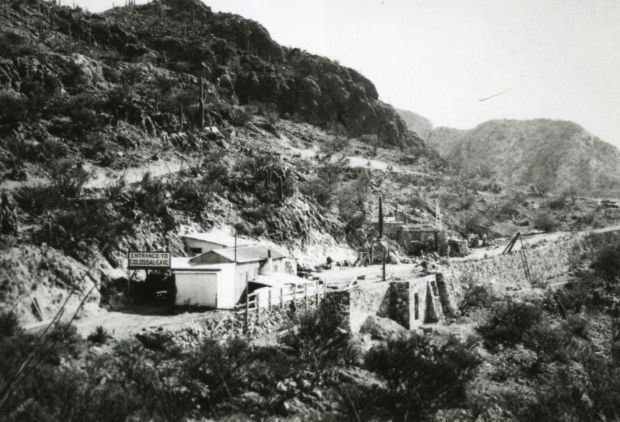
The park’s retaining wall was being worked on by the Civilian Construction Corps in the 1930s.

The completed buildings. Civilian Conservation Corps construction of Colossal Cave Mountain Park in the 1930s.
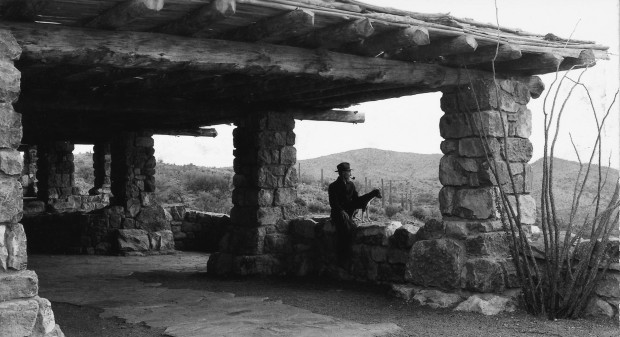
Ramada with Frank Schmidt. Civilian Conservation Corps construction of Colossal Cave Mountain Park in the 1930s.
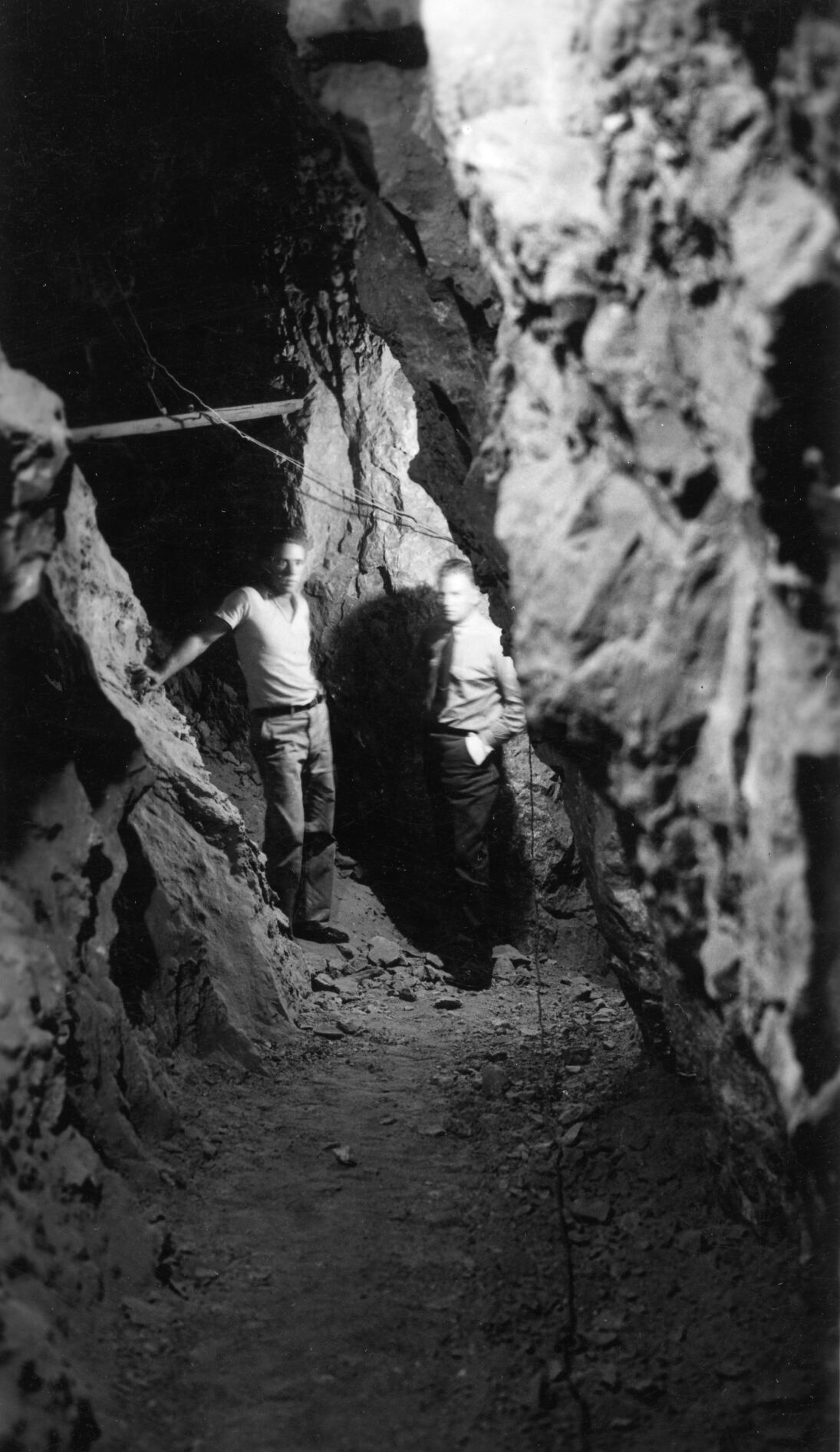
Two men inside the cave entrance during the time when Civilian Conservation Corps constructed the road and buildings for Colossal Cave southeast of Tucson in the mid-1930s.
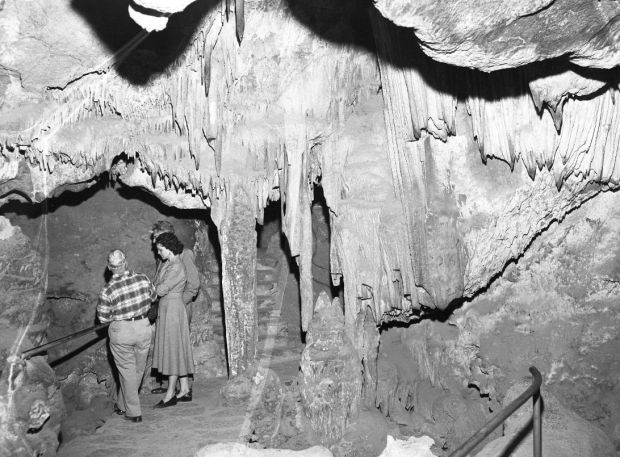
Visitors explored Colossal Cave in January 1954.

Colossal Cave — 1956
Joe Maierhauser found himself in a tight spot at Colossal Cave in April 1956.
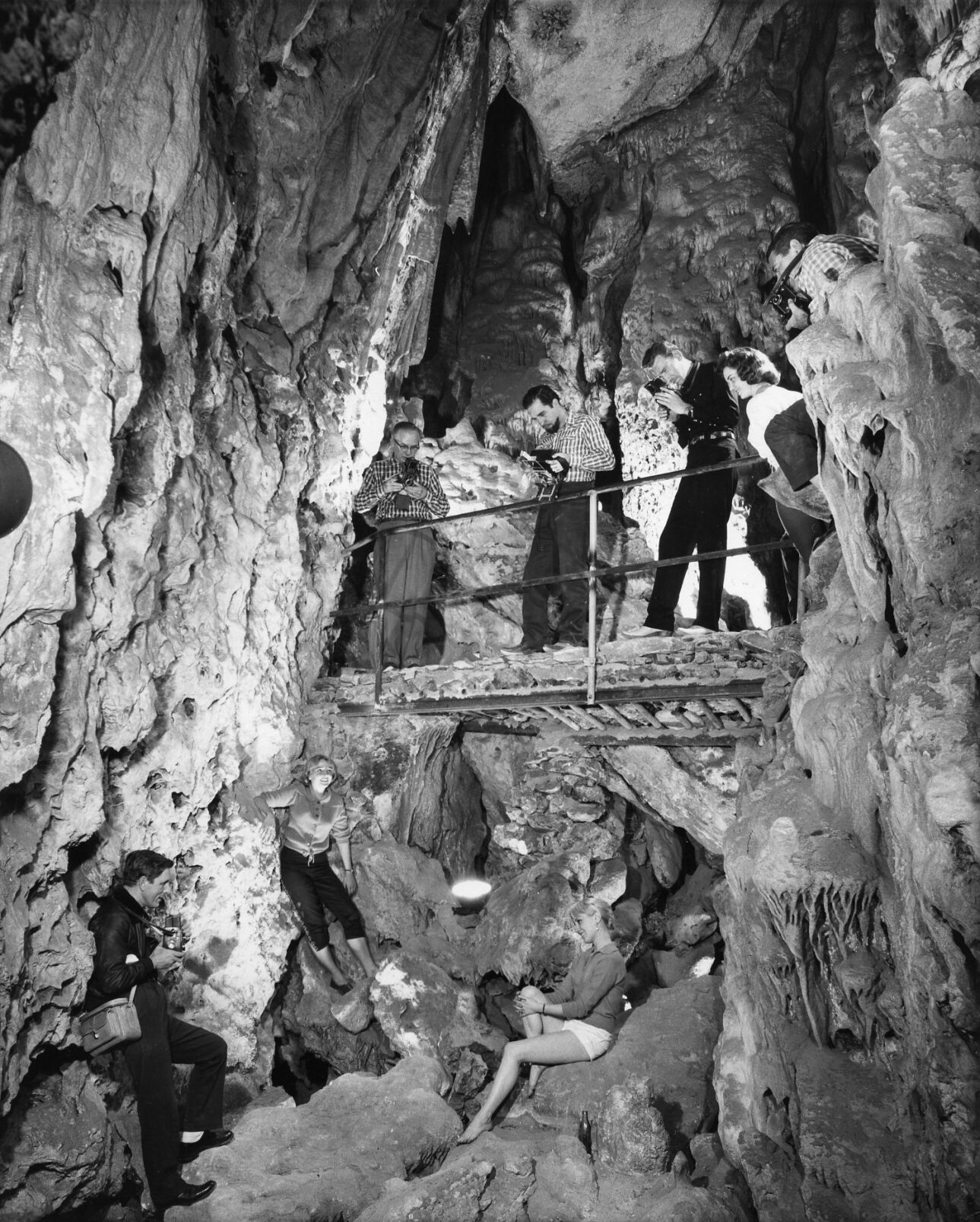
Members of the Tucson Professional Photographers Association focus their cameras on models in a dry riverbed about 250 feet underground, inside Colossal Cave during a photo contest in February, 1959. Models of Nancy Stewar, Sandra Sutton and Charlsey Garrison.

Canisters with drinking water inside Colossal Cave, which were deposited there in the 1960s in event of nuclear war.

A television crew films an episode of the "Trails to Adventure" TV series inside Colossal Cave southeast of Tucson in March, 1968. It was one of 39 stops at points of interest in the West. The crew was also at the Arizona-Sonora Desert Museum.

A television crew prepares lights for an episode of the "Trails to Adventure" TV series inside Colossal Cave southeast of Tucson in March, 1968.
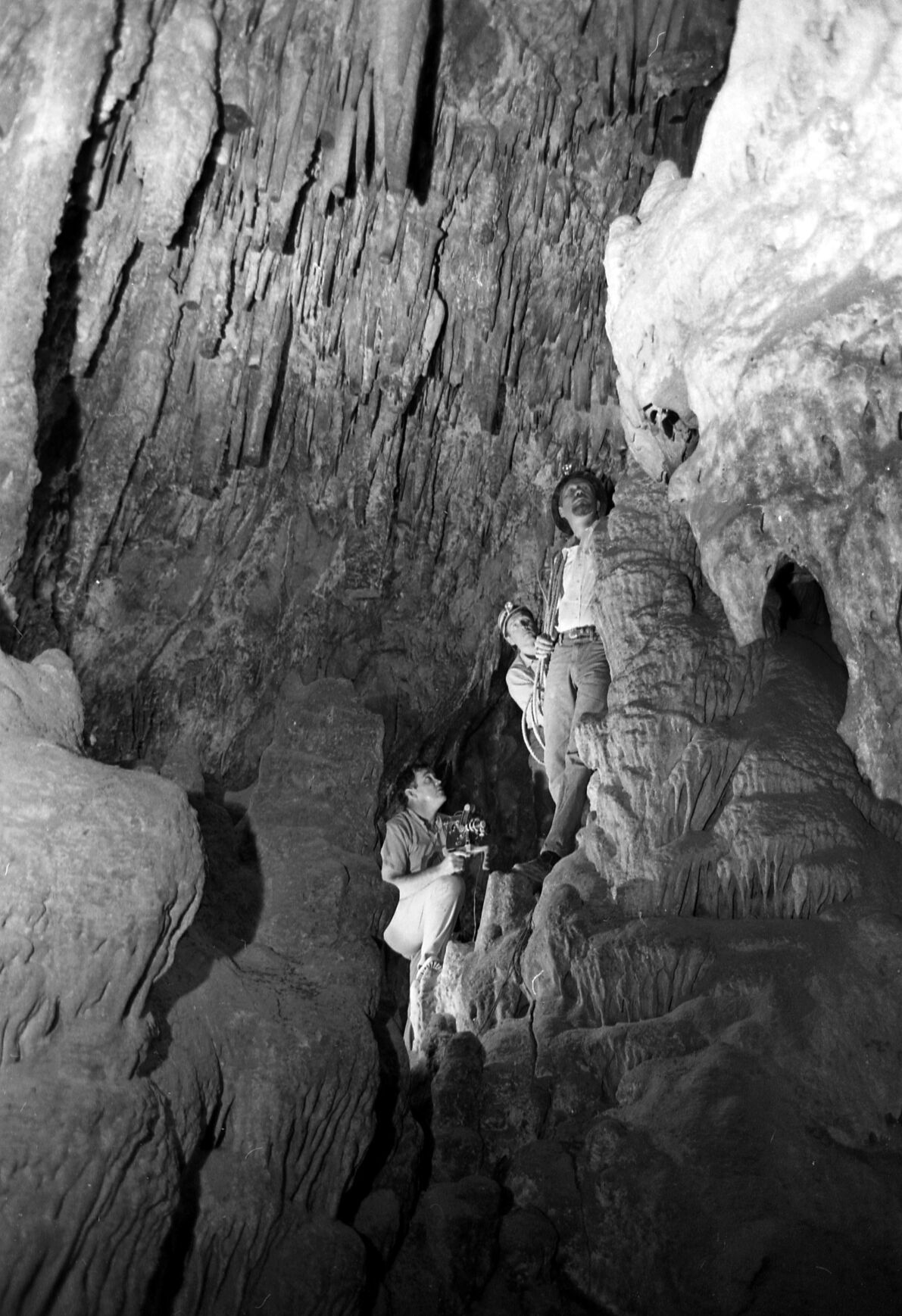
A television crew films an episode of the "Trails to Adventure" TV series inside Colossal Cave southeast of Tucson in March, 1968. Cave manager Joe Maierhauser showed the routes once used by robbers and local Indian tribes that used the cave as a hideout.

A television crew films an episode of the "Trails to Adventure" TV series inside Colossal Cave southeast of Tucson in March, 1968. The show was hosted by Jack Smith, known by TV audiences for "You Asked For It."

A television crew films an episode of the "Trails to Adventure" TV series inside Colossal Cave southeast of Tucson in March, 1968. The suit jacket was a little over the top. But sneakers were a good idea.

Formations in "The Drapery Room" at Colossal Cave Mountain Park.

Ken, right, and Linda Sparks, visiting from Wyoming, walk through the "Crystal Forest" formations on a tour at Colossal Cave Mountain Park.

Stalactite formations in the "Crystal Forest" at Colossal Cave Mountain Park.

Tour guide Nick Pisciotta identifies formations at Colossal Cave Mountain Park.

Formations dubbed the "Kingdom of the Elves" at Colossal Cave Mountain Park.

The Civilian Conservation Corps helped build the walking path at Colossal Cave Mountain Park.

Steven Plyler, 4, marvels at the gems uncovered in the sluice with mom Ashley Plyler at Colossal Cave Mountain Park.

Tour guide Sean Raley goes over the dos and don'ts before leading a tour at Colossal Cave Mountain Park.

Tour guide Dana Fox, center left, shows out-of-town visitors cell phone photos of area wildlife after their tour. (Front) Ken, left, and Linda Sparks of Wyoming. (Back) Colleen, left, and Hal Hartmann of Washington.

The entrance to Colossal Cave Mountain Park.

A National Register of Historic Places marker.
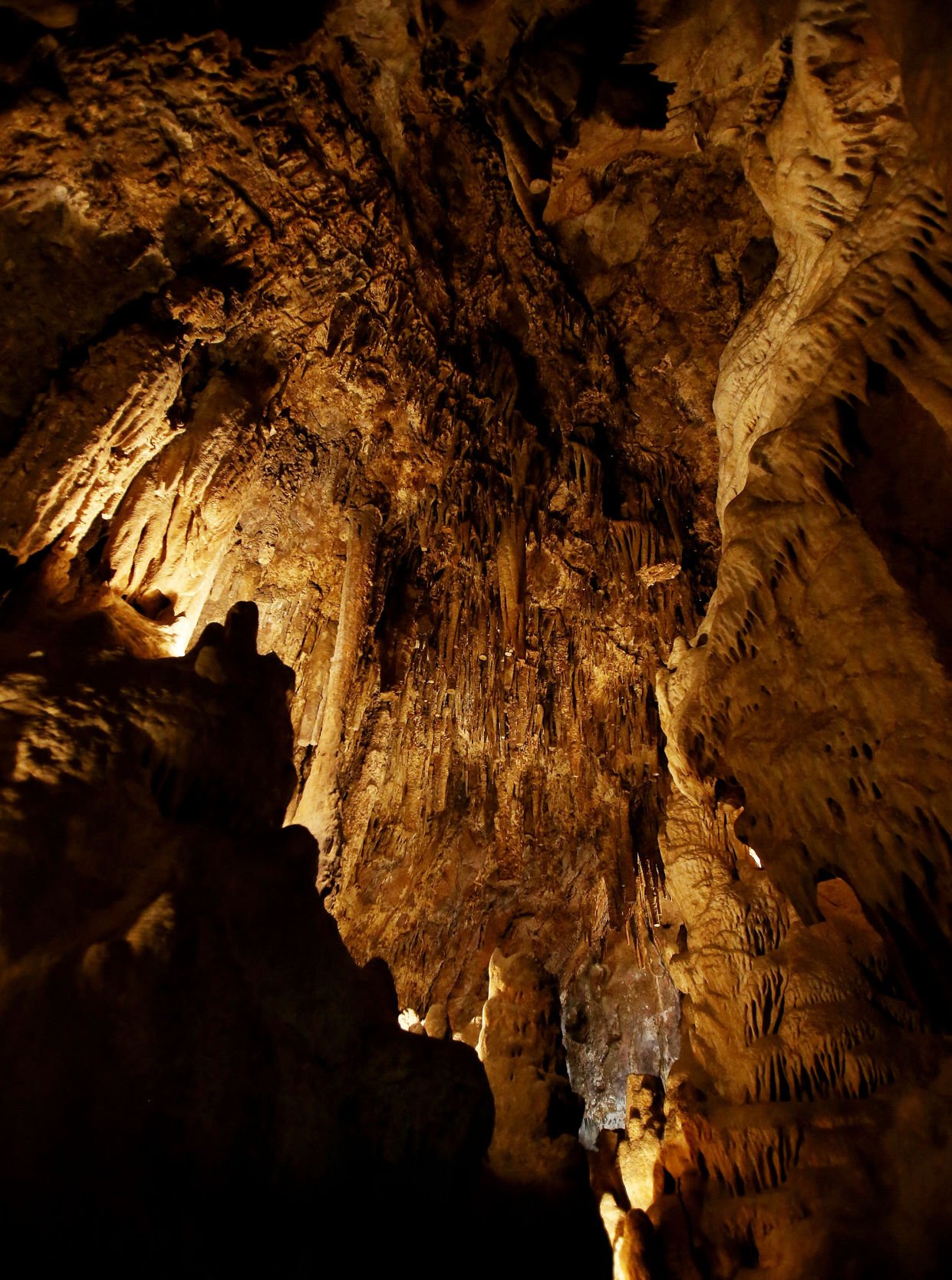
Formations in the "Crystal Forest" at Colossal Cave Mountain Park.

Tour guide Nick Pisciotta poses for an environmental portrait at Colossal Cave Mountain Park.

Examples of the tools used by early explorers, including Frank Schmidt, the early 1900s.

The walking path leads through formations.

Souvenir colorful hard hats for sale in the gift shop.

Apparel for sale in the gift shop.

Colossal Cave Mountain Park, 16721 E. Old Spanish Trail, nestled in the foothills of the Rincon Mountains.

Stalactite formations in the "Grotto of Lost Treasures" at Colossal Cave Mountain Park.

An access shaft used by the Civilian Conservation Corps during path construction.

Rick Wiley
Photo editor

If your spooky side is longing for something Halloween-esque in the midst of summer, Colossal Cave has you covered.

Deborah Martinez, an Army veteran, will take over as the constable for Justice Precinct 8.

State GOP contends there is nothing in the Arizona Constitution that allows for voting other than on Election Day.