

The Art of Science
Scientists capture the complex and the compelling through the camera lens. It's here where color, shape and texture collaborate, and the art of science begins.
University of Arizona College of Science: The Art of Science

University of Arizona College of Science: The Art of Science
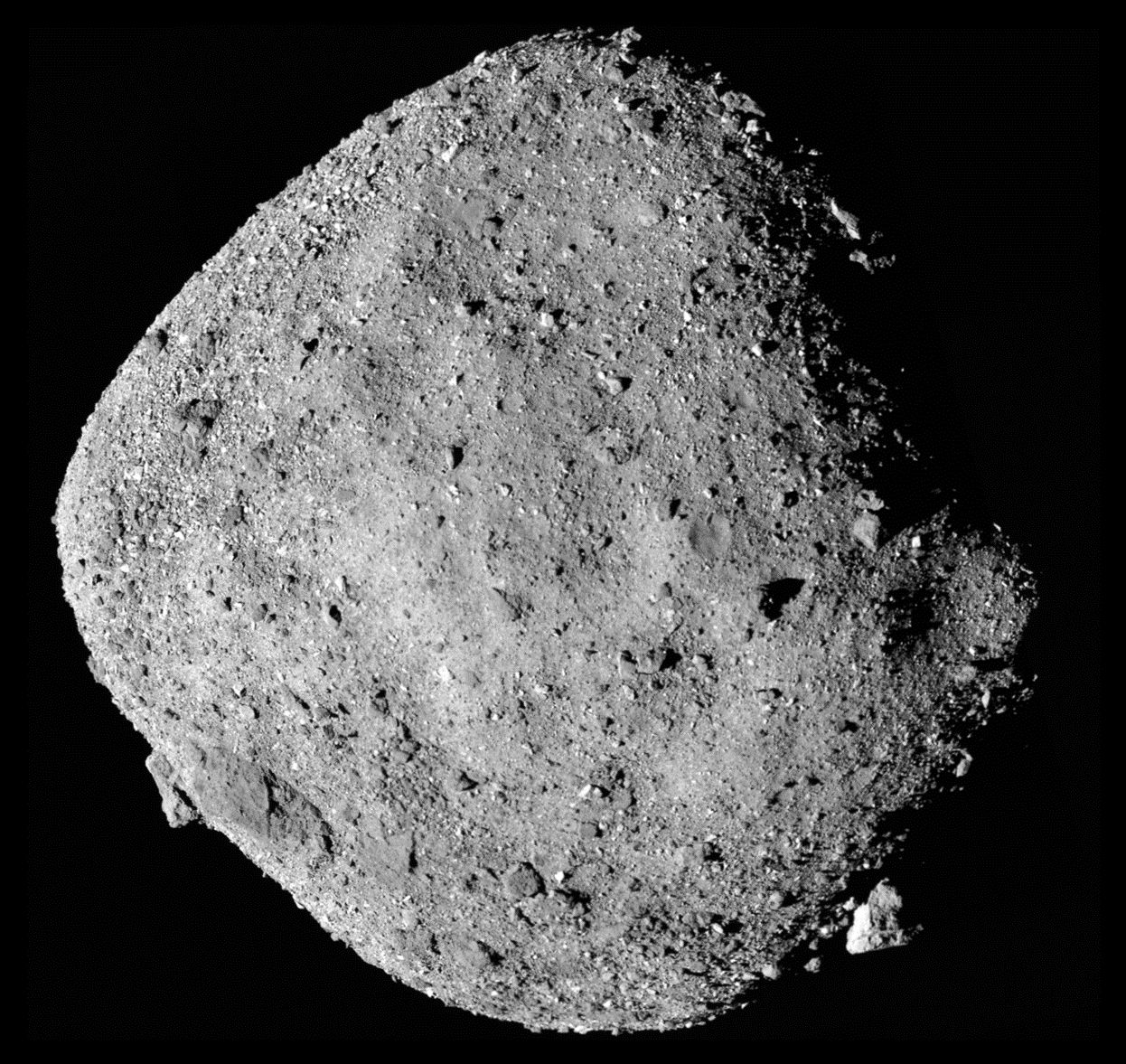
This mosaic image of asteroid Bennu is composed of 12 PolyCam images collected on Dec. 2 by the OSIRIS-REx spacecraft from a range of 15 miles (24 km). The image was obtained at a 50° phase angle between the spacecraft, asteroid and the Sun, and in it, Bennu spans approximately 1,500 pixels in the camera’s field of view. Date Taken: Dec. 2, 2018 Instrument Used: OCAMS (PolyCam)
University of Arizona College of Science: The Art of Science
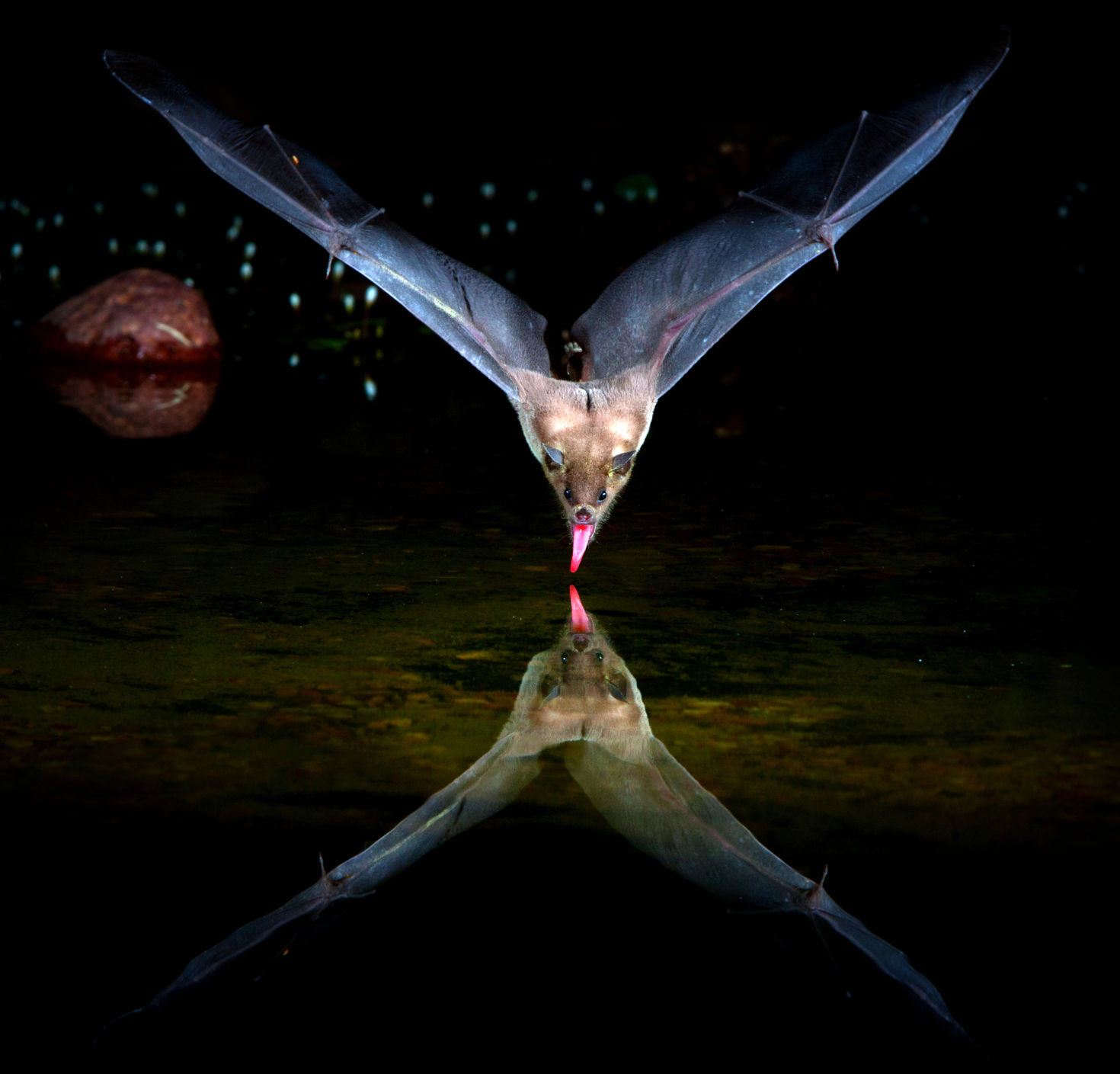
Alexander Badyaev, University of Arizona — Flower-feeding lesser long-nosed bats (Leptonycteris curasoae) have been thought to get all their water from nectar and moisture accumulated in flowers. Here, an adventurous bat disproves these theories by using its long, serrated tongue to scoop freestanding water from a monsoon puddle on the Sonoran Desert floor near Tucson. See more of Badyaev's work at tenbestphotos.com
University of Arizona College of Science: The Art of Science

Nathan Renfro, GIA — This photomicrograph shows a thin slice of fossilized dinosaur bone where the pore spaces in the bone have been infilled with agate and calcite. Modified Rheinberg illumination was used to provide contrast.
University of Arizona College of Science: The Art of Science

Aaron Palke, GIA —The intricate, undulatory patterns on the surface of this rough sapphire crystal from Rock Creek, Montana, provide subtle hints about its underlying crystallographic structure. The surface patterns are highlighted by the use of differential interference contrast imaging.
University of Arizona College of Science: The Art of Science

Alexander Badyaev, Department of Ecology and Evolutionary Biology — A gray fox contemplates the 15 billion years of visible limits of the universe. Although the red lights comes from the city of Tucson – about 60 miles away – this was exactly the color of the night sky when the universe was barely a million years young. See more of Badyaev’s photography at tenbestphotos.com
University of Arizona College of Science: The Art of Science

Intan Yokelson and George Gehrels, University of Arizona — Growth rings in different zircon crystals, imaged by an electron microscope. Colors are added to enhance the zonation.
University of Arizona College of Science: The Art of Science
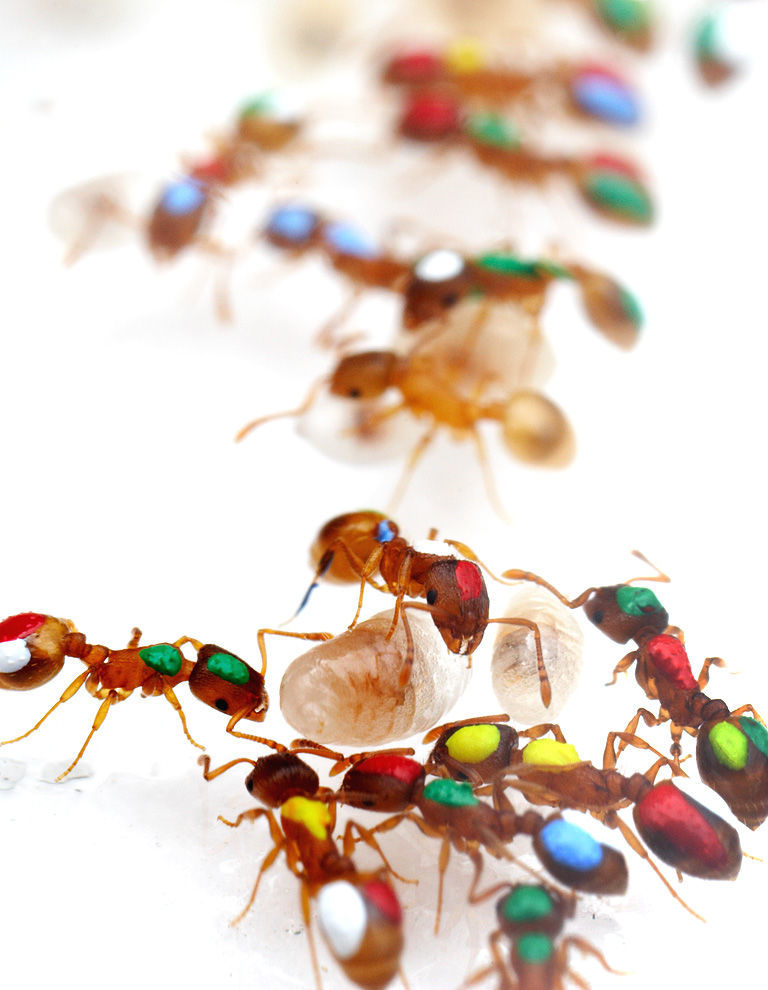
UA researcher Anna Dornhaus paints ants different colors to study them. Photograph by Alex Wild. See more of Wild's insect photos at www.alexanderwild.com
University of Arizona College of Science: The Art of Science
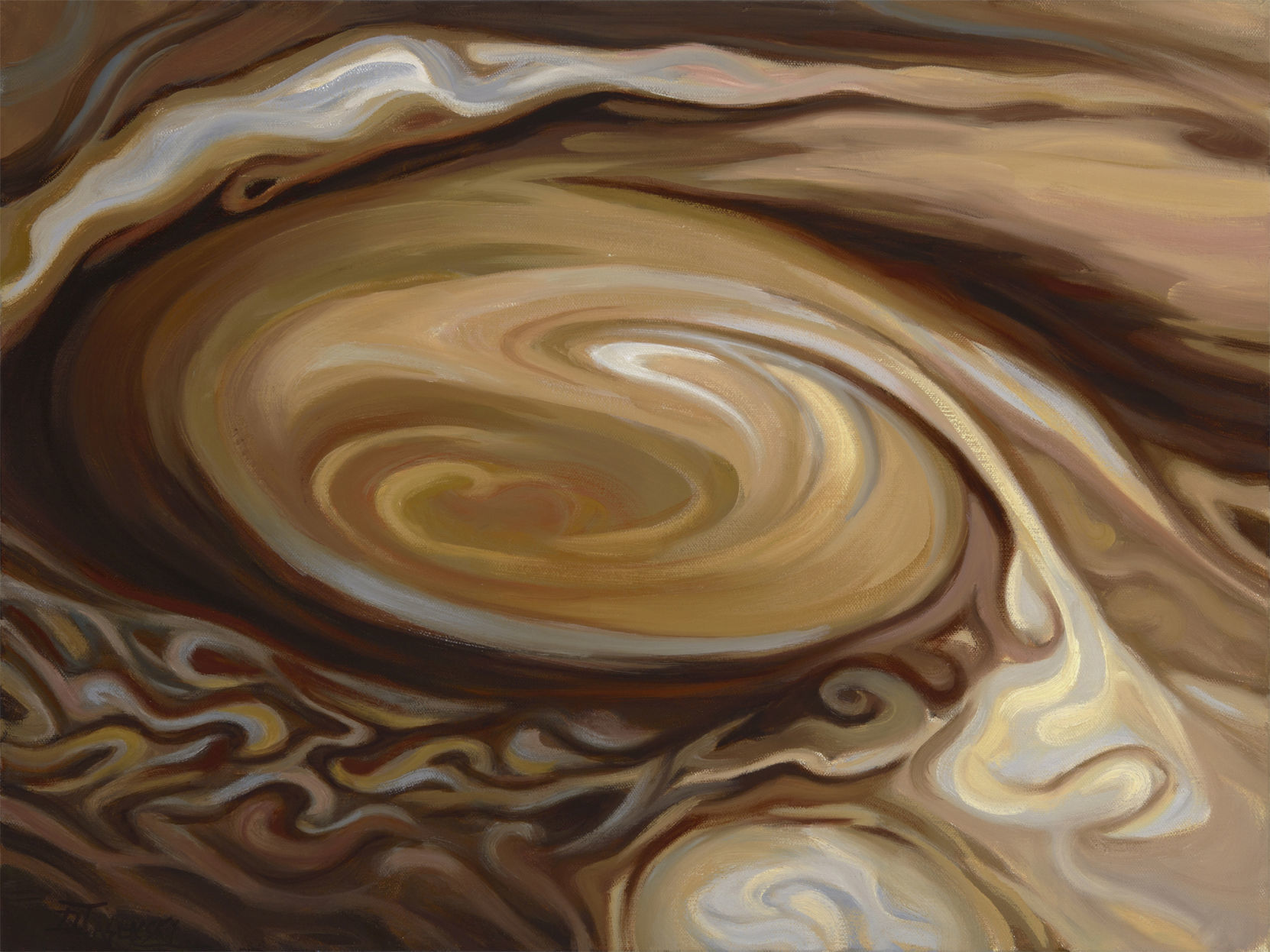
Chris Impey and Dinah Jasensky are a husband and wife team who collaborate on science and art. The paintings resulting from this transdisciplinary work are inspired by stories of recent astronomical discoveries, and by images from ground- and space-based telescopes. In this work, Jupiter's Great Red Spot is a storm that is larger than Earth. It has raged over the planet for more than 400 years. See more of Jasensky's fine art at dinahjasensky.com
University of Arizona College of Science: The Art of Science
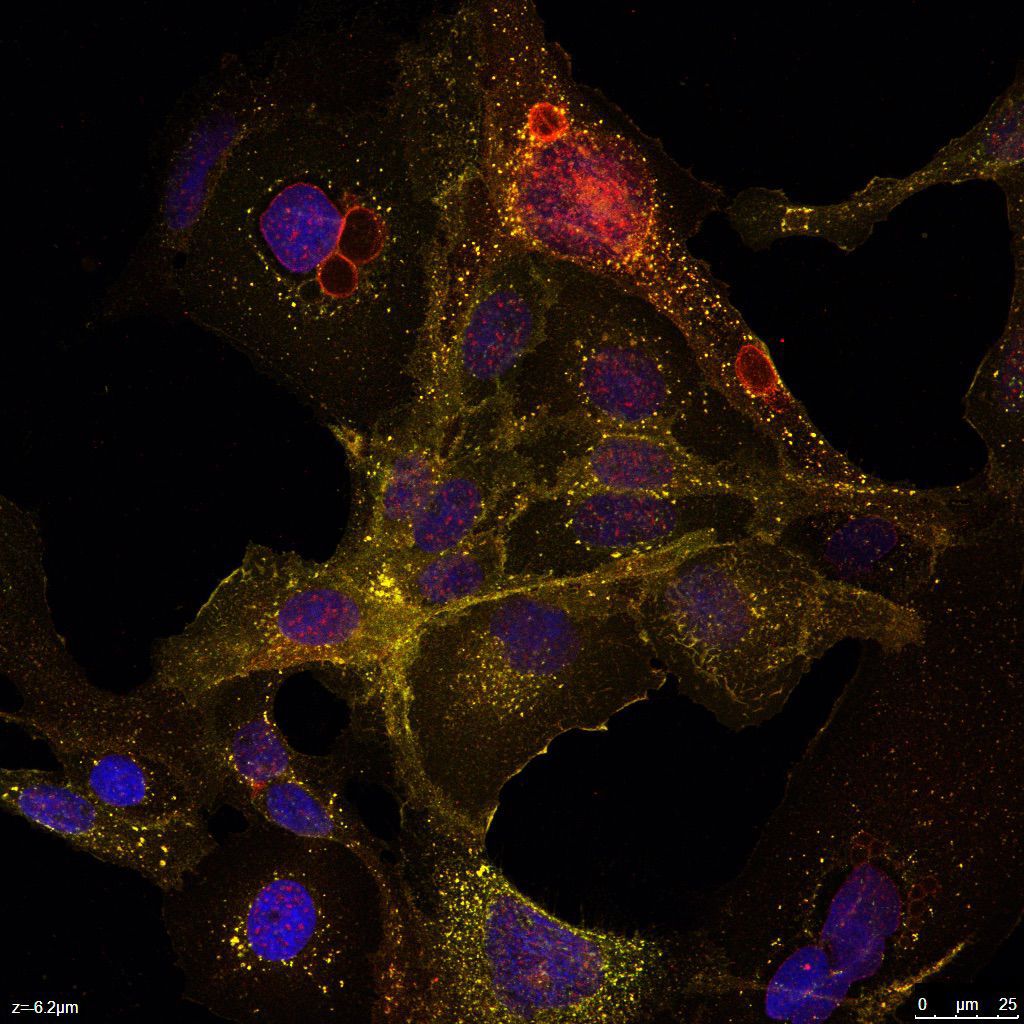
Sabrina Maisel, Joyce Schroeder lab, University of Arizona — Foci of metastasis-driving machinery in breast cancer cells are shown in yellow.
University of Arizona College of Science: The Art of Science

Adam Block, University of Arizona — NGC 3486 is a beautiful, many-armed spiral galaxy. The disk glitters with pink nebula and dense regions of star formation containing hot, bluish stars. See more of Block's work at adamblockphotos.com
University of Arizona College of Science: The Art of Science
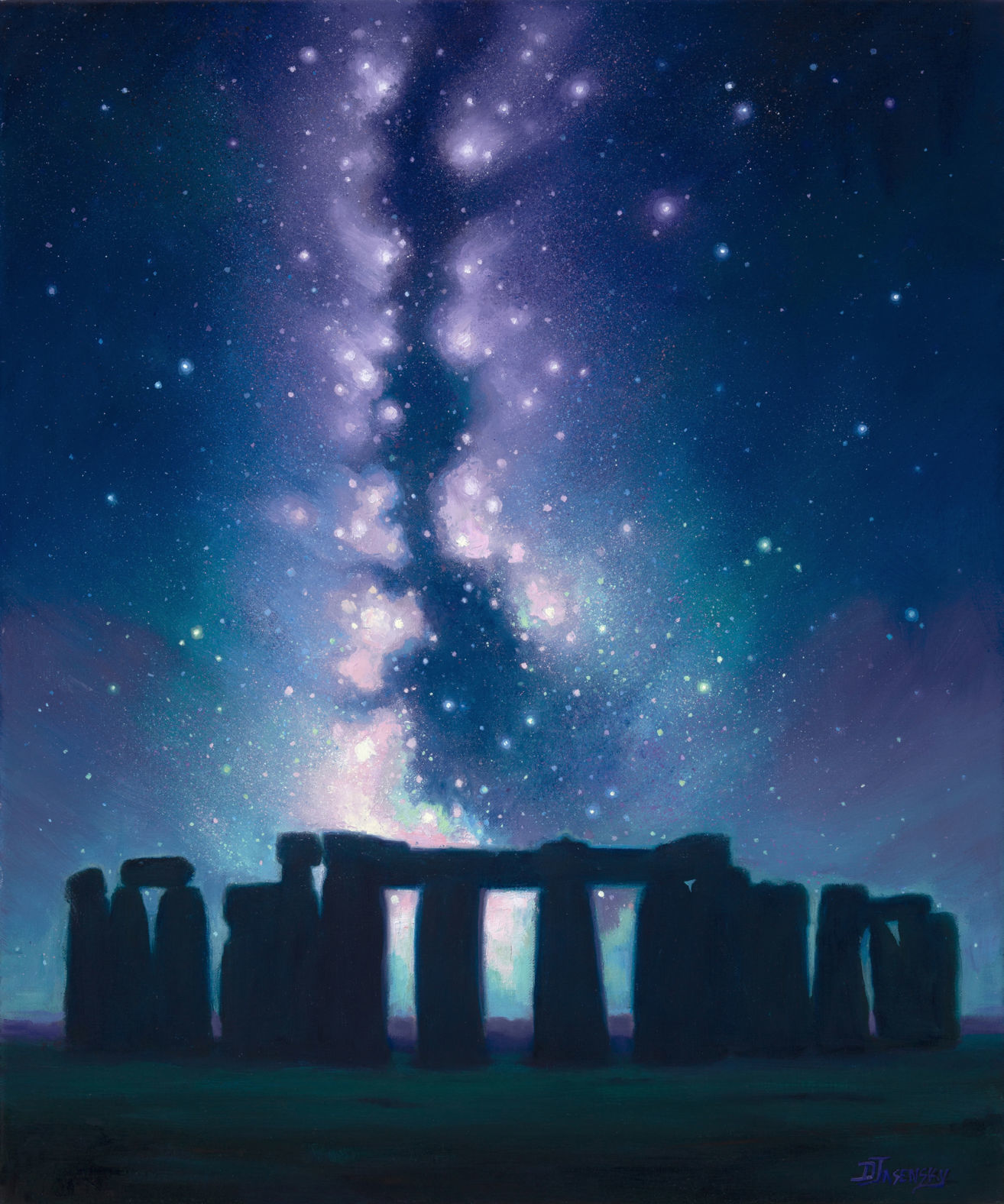
UA astronomer Chris Impey and artist Dinah Jasensky collaborated on this painting of the Milky Way over the famous Neolithic monument Stonehenge. The dark sky is represented a it would have been seen 3,500 years ago. The work remains true to science while utilizing the possibilities of the oil-based medium. See more of Jasensky's work at dinahjasensky.com
University of Arizona College of Science: The Art of Science

A digital terrain model of Gorgunum Chaos on Mars, where some gullies have bright deposits and might be recent Image taken by UA-operated HiRISE camera aboard the Mars Reconnaissance Orbiter.
University of Arizona College of Science: The Art of Science
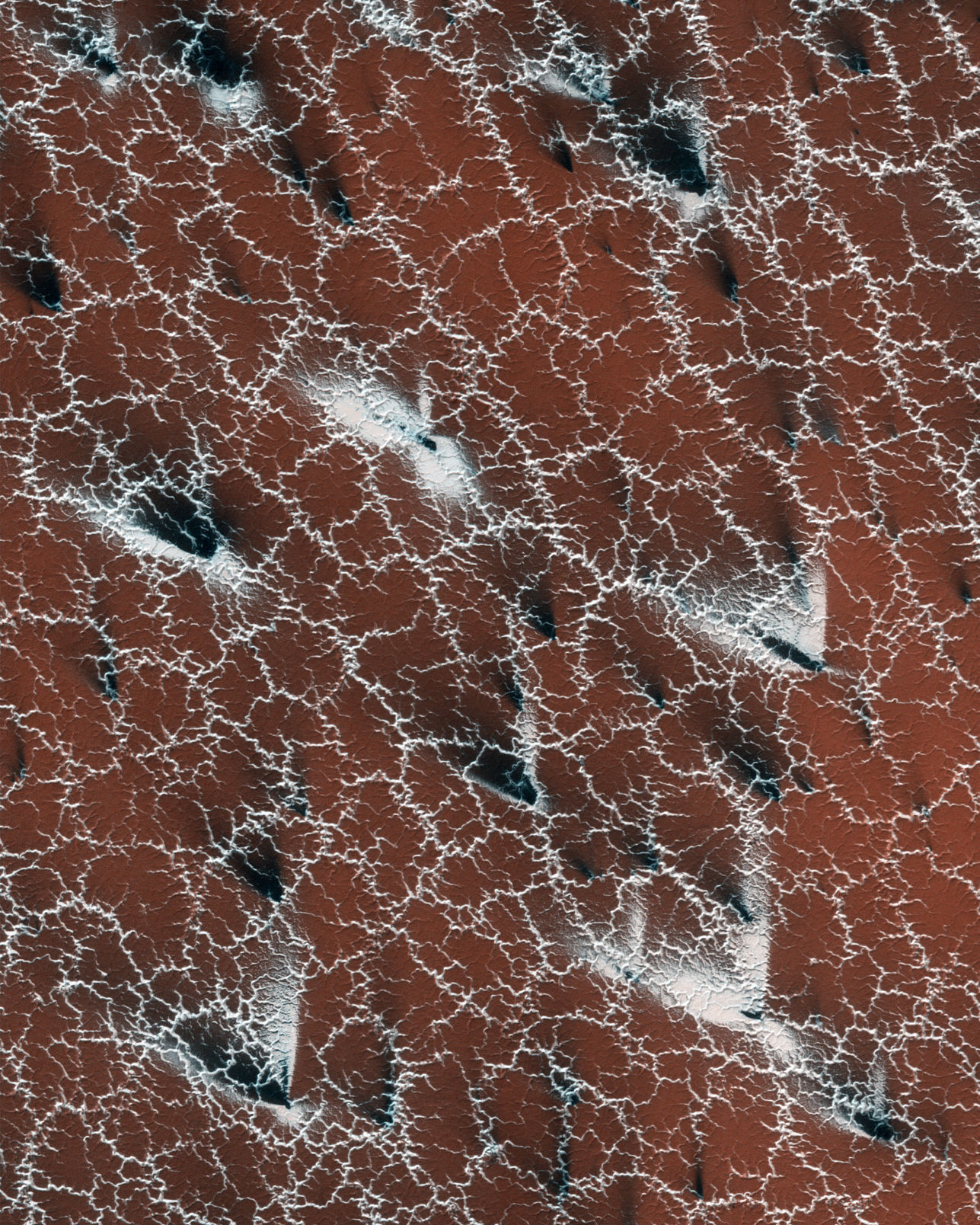
UA-operated HiRISE camera aboard the Mars Reconnaissance Orbiter — The Martian polar terrain is cut by an intricate pattern of channels. Carbon dioxide frost in the channels make them bright.

University of Arizona and Ventana Medical Systems scientists capture the complex and the compelling through the camera lens. These photos are…