


PHOENIX — Arizona is marking 110 years of statehood.
Gov. Doug Ducey issued a proclamation declaring Monday as Arizona Statehood Day.
Happy Birthday, Arizona! Here are some things we love about you
The food

A meaty smorgasbord at Tacos Apson in Tucson consists of cheesy caramelos (top left) and various tacos de carne asada, or grilled beef.
Give us tacos, or give us death. Thankfully, Arizona almost always delivers on the tacos.
From Navajo tacos up north to chimichangas down south and everything in between, there is no shortage of unique and delicious food in Arizona.
Especially so in Tucson’s neck of the woods (how many times can we mention that we’re a City of Gastronomy?) Oh, and we're also home to a James Beard award-winning Sonoran hot dog.
Thanks for always keeping our bellies full and our taste buds sizzling.
The monsoons
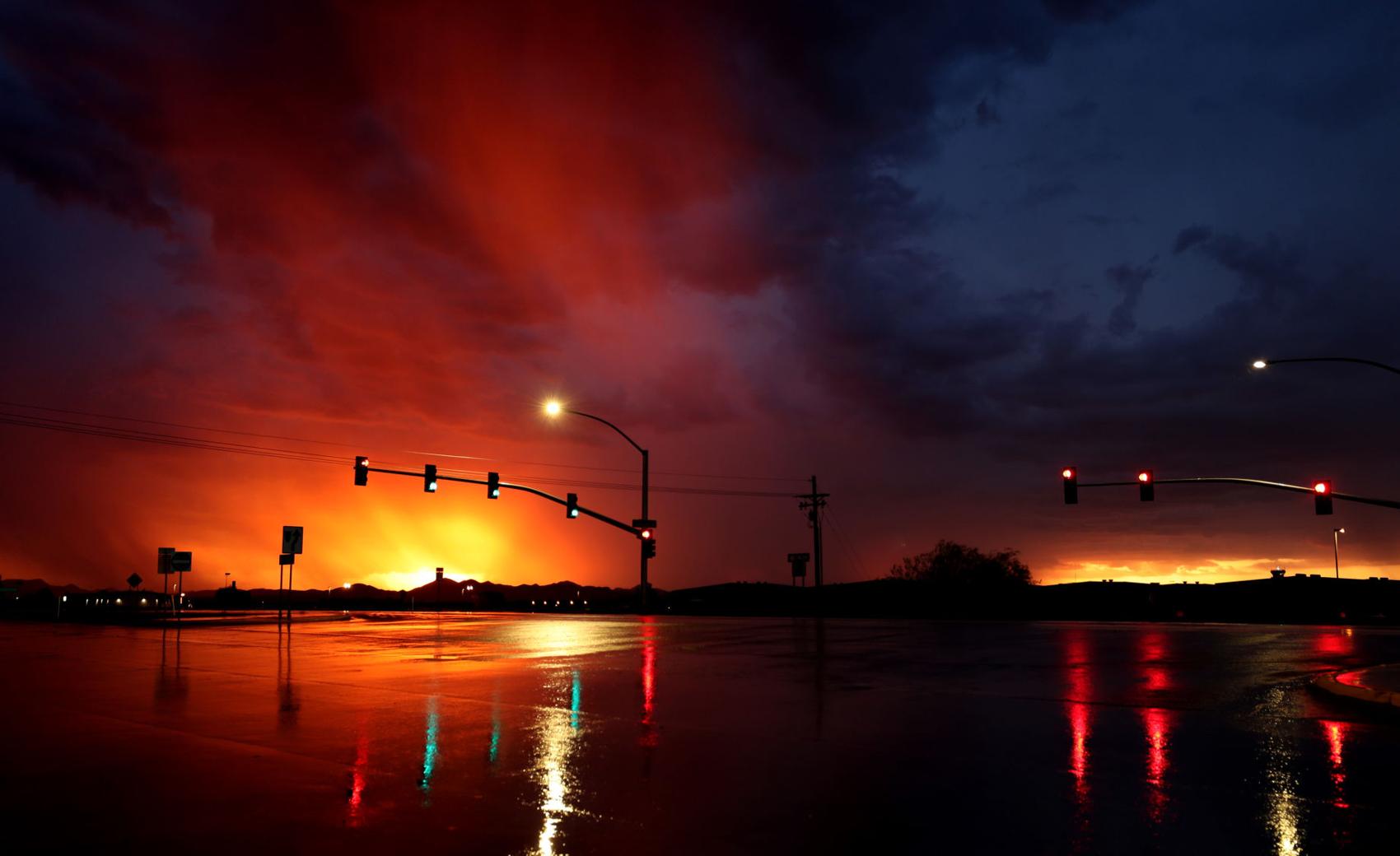
The sunset is reflected in the rain slicked intersection of Ajo Way and Valencia Rd., during the first of two bands of monsoon storms to roll over the area, Tucson, Ariz., August 28, 2019.
Ah, monsoons. Beautiful, wonderful and terrifying all at the same time.
We love monsoons for so many reasons, and not just because they deliver some much-needed water to the desert.
We love how storms can roll in within minutes — but will be gone almost as quickly as they came. We love watching lighting — from afar — and the momentary relief the clouds offer from the beating summer sun.
We also love the strong smell of the creosote bush, and how we can use the word "haboob" without even blinking.
Speaking of the weather...

Blue lupine and gold poppies are blooming in Saguaro National Park west of Tucson.
We get around 300 days of sunshine and there's not much that beats eating a raspado on a sunny, 75-degree day in Tucson... in January.
But despite the sunny weather, Arizonans can still experience all four seasons.
You can see spring wildflowers, swim in waterfalls during the summer, check out bursts of autumn color and go skiing in the winter.
And when the heat comes in the summer, you can escape up north for some sweet relief.
The diverse landscapes

Like the weather, the diversity of the landscape in Arizona is amazing.
Just look at Saguaro National Park and Sabino Canyon down south... or the mountains up north... or Antelope Canyon... or Horseshoe Bend... or...
We could go on and on (obviously).
The wildlife
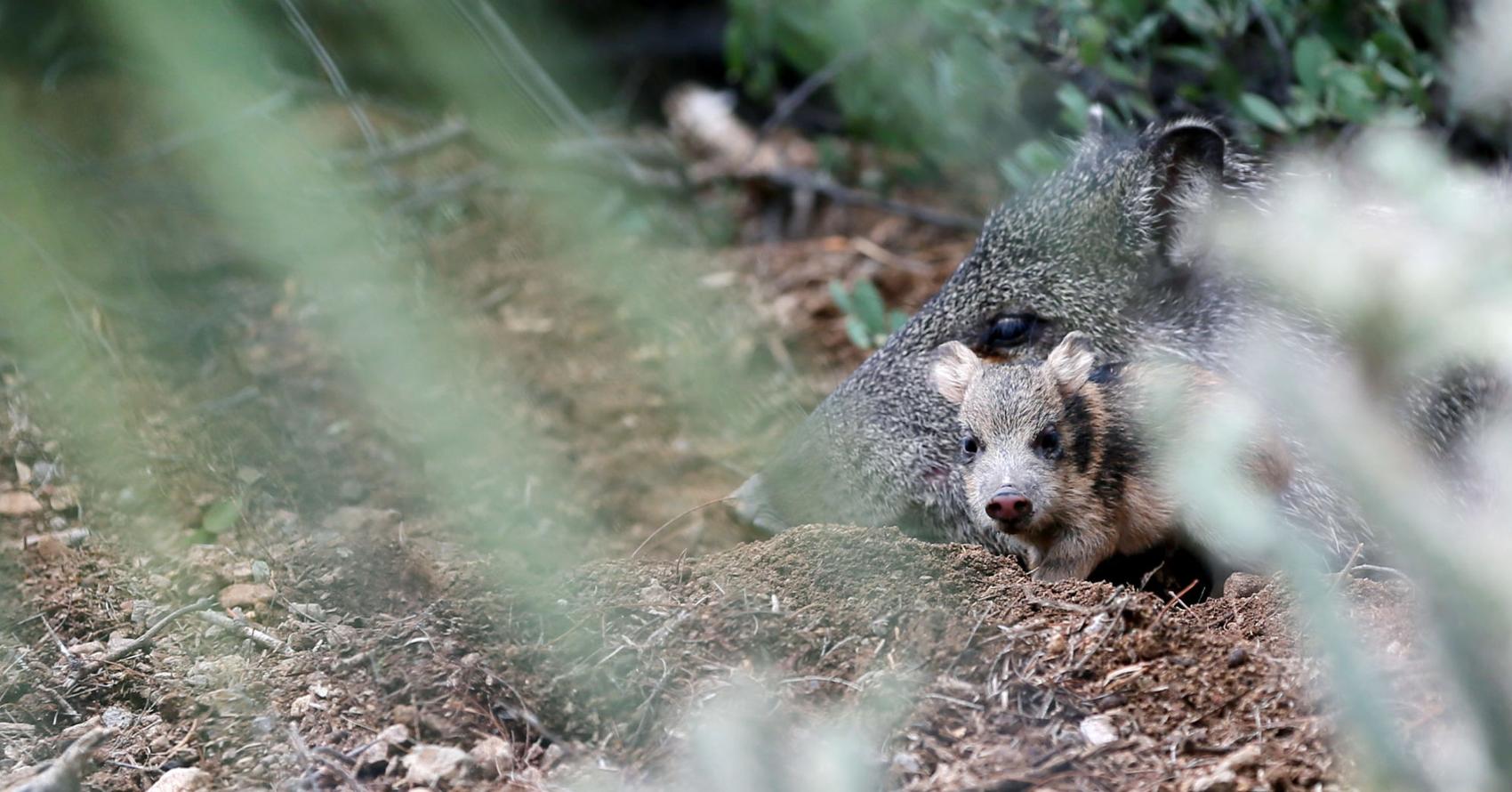
A baby javelina hangs out with their mom in Ruth Russell’s backyard on July 23, 2019.
Coatis and jaguars and elk and Gila monsters and mountain lions — just to name a few.
From the cute and cuddly, to the ones that demand respect (and tons of space), we think Arizona is home to some of the coolest wildlife.
The sunsets
Because a picture is worth a thousand words. Here are a few of our favorite sunsets, though how can you really pick a favorite?

A roaring sunset shows threw a soccer net during Kino South Complex Ribbon Cutting and VIP opening house at Kino Sports Park's South Complex, 2343 E. Tournament Way, in Tucson, Ariz. on January 15, 2020.

Monsoon sunset over the cactus forest of the Saguaro National Park West, Wednesday, August 10, 2016.

Sunset sky seen from Saguaro Park East, Wednesday, June 6, 2018, Tucson, Ariz.

A brilliant sunset competes with the annual Lighting of A Mountain party on top of the Main Gate Garage at the University of Arizona in Tucson, on Oct. 21, 2018. The event kicks off UA Homecoming Week with a flurry of activities throughout the week. Lightning prevented the Fun 5K run from taking place and shortened the activities at the garage because of some occasional showers. A.E. Araiza / Arizona Daily Star
OK just one more, we promise...

A monsoon storm over Tucson on Monday evening was followed by radiant rays at sunset. Photo by Doug Kreutz, Arizona Daily Star, July 10, 2017.
The cactus

Saguaros were blooming in lower reaches of the Catalina Mountains while a dusting of fresh snow fell higher in the range on Monday, May 20, 2019. — Credit: Doug Kreutz/Arizona Daily Star
If it has a cactus on it, we're into it.
Saguaro, cholla, prickly pear — we're not picky, we like 'em all.
And we say: The quirkier the better, kind of like our very own city of Tucson. We even made a whole photo gallery about our favorite quirky Saguaros.
The sports

With the Terry Francona Hitting Center in the background, pitchers stretch out in the new bullpen area at Hi Corbett Field during the Wildcats’ first official baseball practice of 2018. Arizona opens the new season Feb. 16 at home against Bryant.
Two words: Spring training.
While we're still kind of sad games are no longer in Tucson, we're happy the games are only a short drive away.
And we love that if you don't want to travel, you can still kick back at Hi Corbett Field and watch the UA baseball's team play.
We also love all the school spirit and pride in Arizona (except, maybe, if you're a Sun Devil fan...).
It was on Feb. 14, 1912 that President William Howard Taft's signing of legislation that officially made Arizona the 48th U.S. state.
Ducey in a statement said Arizona remains a top destination for businesses and families all these decades later.
Prior to statehood, Arizona had been a U.S. territory for nearly 50 years.
Photos: The notable characters who saw Arizona into statehood
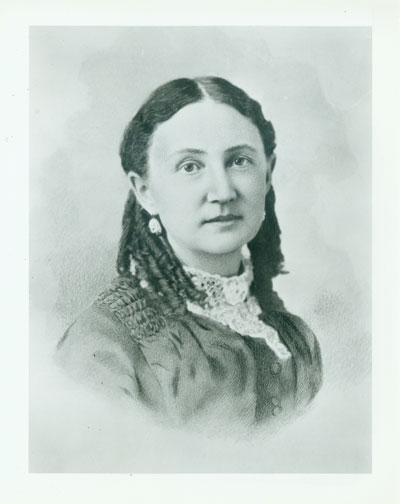
Mary 'Mamie' Bernard Aguirre: Headed two UA departments; her diary told of Old West
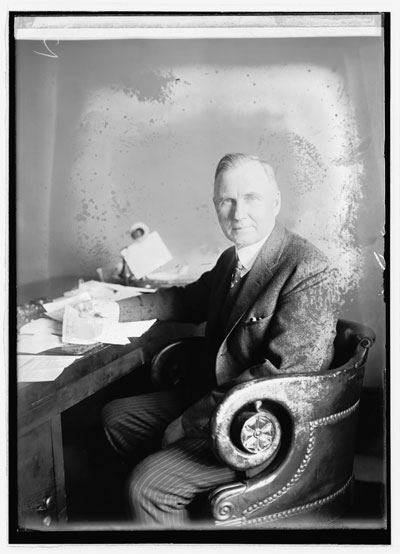
Ralph Cameron: He charged $1 toll to use Grand Canyon trail
Gen. George Crook: Apache fighter he believed Indians belonged on reservations
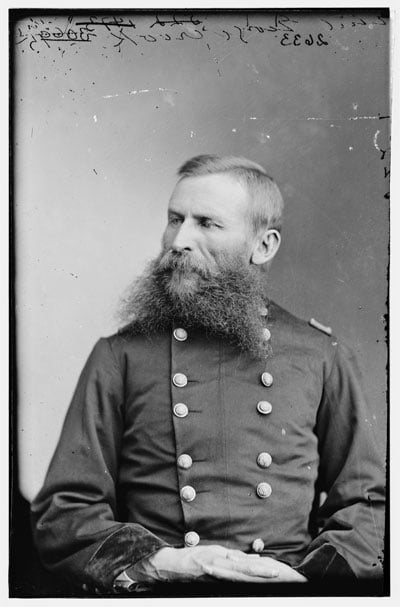
Fred Harvey: He wasn’t an Arizonan, but he left a big mark on tourism here
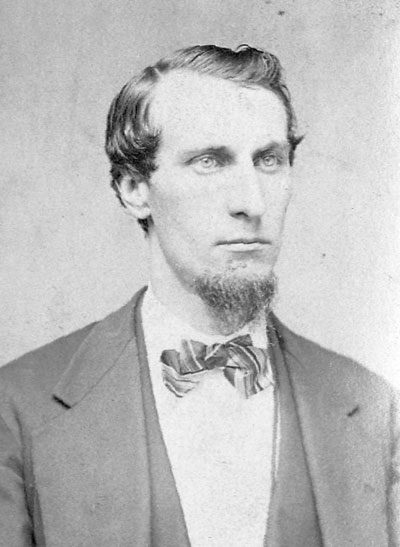
Charles Trumbull Hayden: Early trader, probate judge and founder of Tempe
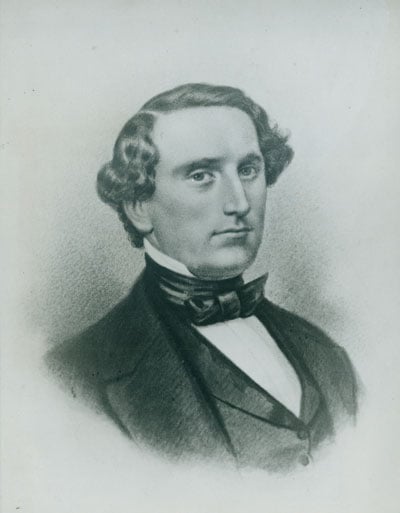
Henry Clay Hooker: Selling turkeys helped his business, ranches
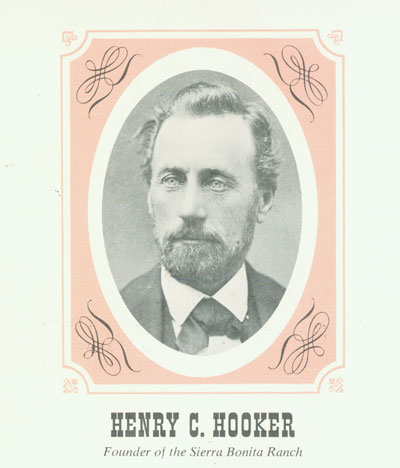
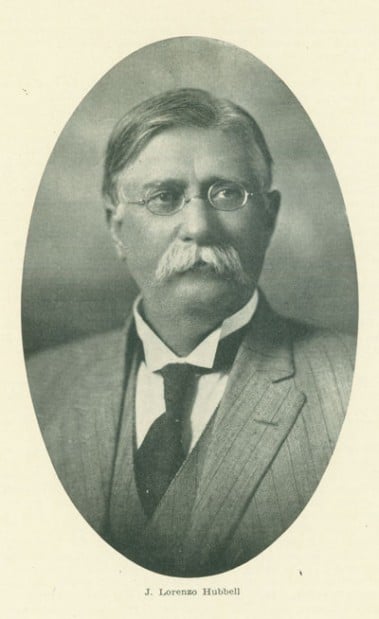
John Lorenzo Hubbell: Most famous of the Indian traders, family operated 30-plus trading posts
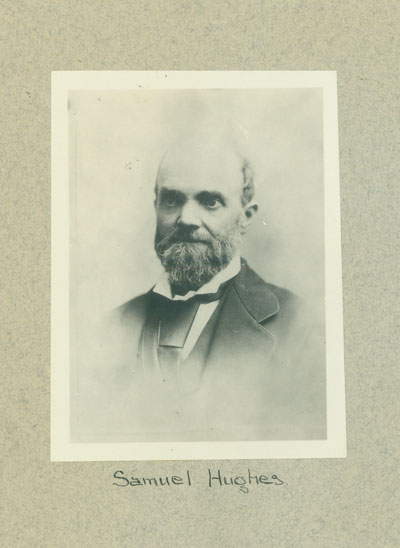
Samuel Hughes: He came in search of health
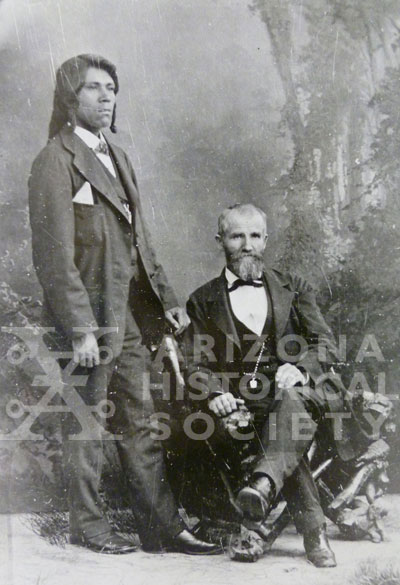
Louis J.F. Jaeger: Survived arrow in neck; ran Colorado River ferry
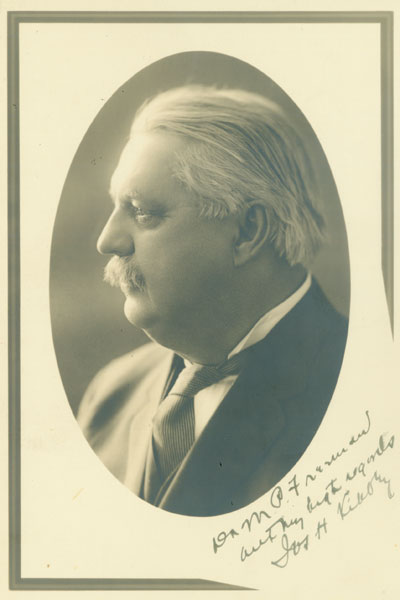
Judge Joseph H. Kibbey: Ruled on water law, fought school segregation
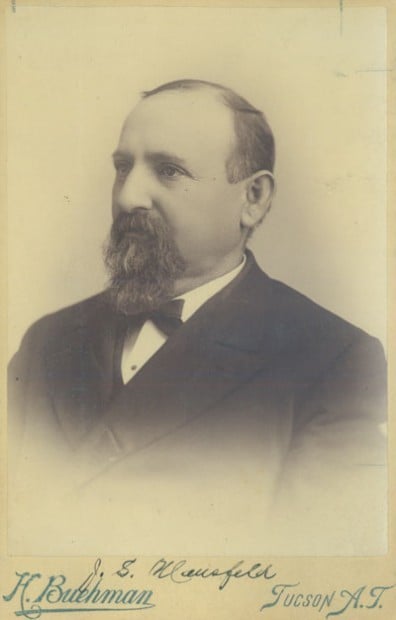
Jacob Mansfeld: He opened the first public library and helped found the University of Arizona
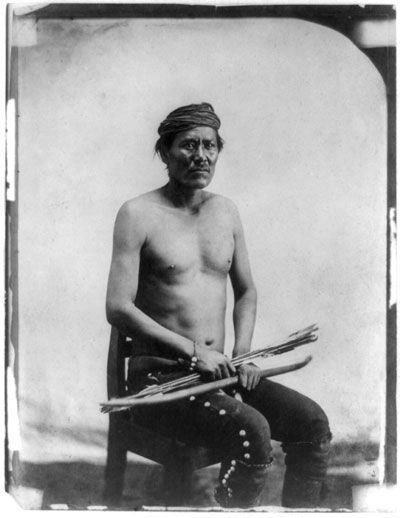
Manuelito: Navajo warrior evolved later in life into statesman who embraced Americans
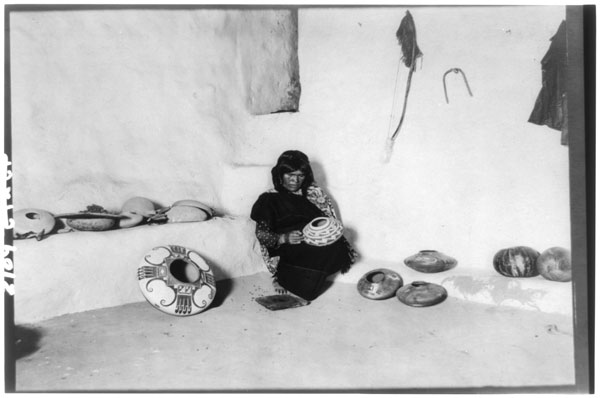
Nampeyo: A great Hopi potter, she revived a historic style
Esteban Ochoa: A merchant prince, and a generous and modest citizen
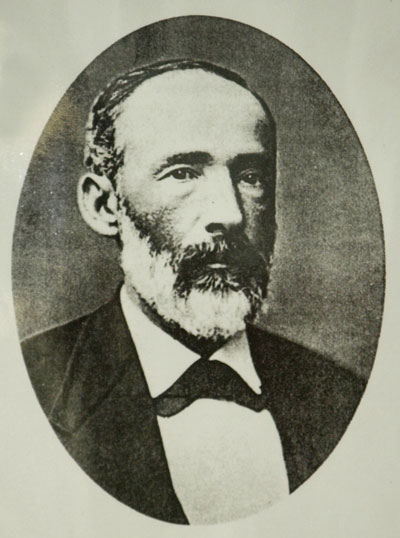
Federico José María Ronstadt: Tucson’s music maker
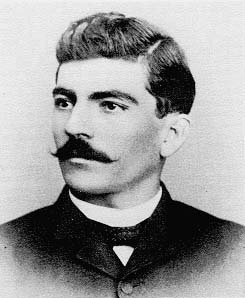
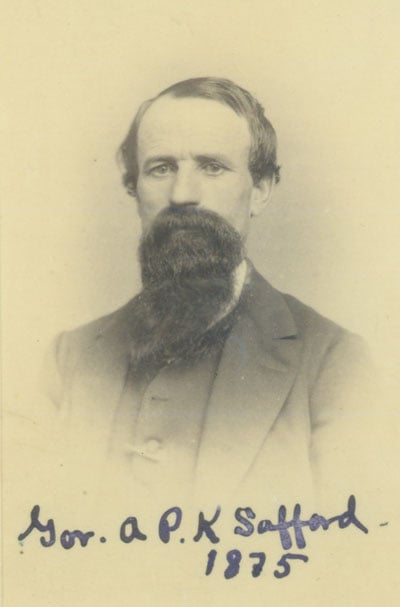
Anson Pacely Killen Safford: Arizona’s 3rd territorial governor and the father of our schools
Bishop John Baptist Salpointe: The cleric who built things

There was no operating church in Arizona when Salpointe’s party of four — three priests and a teacher — came from New Mexico in 1866. Salpointe, newly named vicar general of the Arizona missions, was their leader. He was a Frenchman who had arrived in America as a missionary six years earlier. Within two years of his arrival in Tucson, Arizona’s status in the church was elevated to a vicariate apostolic and Salpointe was named bishop. His territory stretched east to El Paso and north to Utah. Over the next 15-plus years, he oversaw the establishment of many parishes and schools — Prescott, Phoenix and Tombstone among them. He eventually became archbishop of Santa Fe, but returned to Tucson after his retirement.
John William Swilling: His recycling project created what is now Phoenix
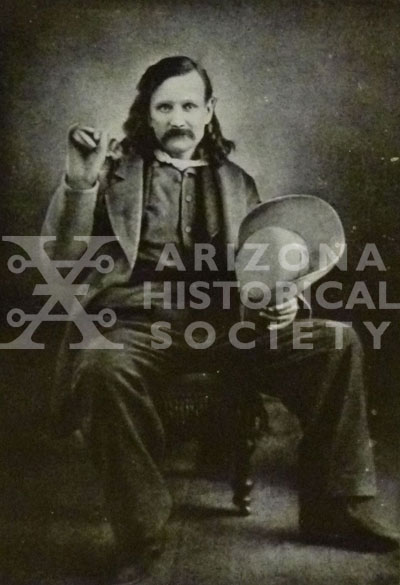
Swilling had been a Confederate soldier and deserter, a Union freighter and a prospector. During travels through the Salt River Valley, he noticed ancient Indian irrigation canals and figured they could be rebuilt to bring water to farms. He organized investors in 1867 and built the Swilling Ditch at the place we call Phoenix. Swilling found trouble in the alcohol and drugs he took to relieve headaches and back pain, and he was under investigation for stagecoach robbery when he died at the Yuma jail in 1878.
Godfrey & Stanley Sykes: Inventors, makers and menders of anything
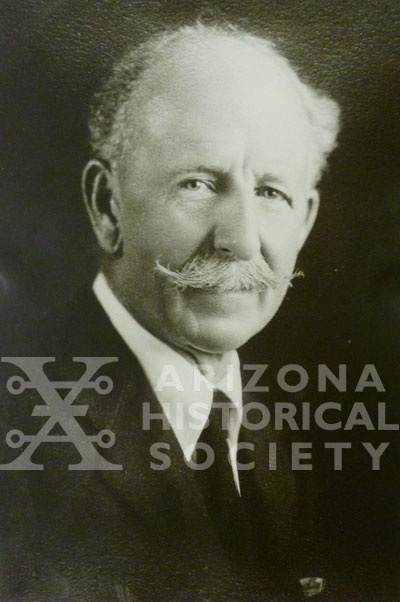
The English-born brothers arrived in Flagstaff in 1886 and soon opened a bicycle shop, where they advertised that they could fix almost anything. They gathered around them a group called “The Busy Bees” to exchange the latest scientific gossip. That’s how they came to know many of Arizona’s leading minds of the day. Though they had no experience, the brothers designed and built domes for telescopes in Flagstaff and Tucson. Stanley worked at Flagstaff’s Lowell Observatory for 46 years, while Godfrey moved to Tucson in 1906 to become facilities manager for the Carnegie laboratory on Tumamoc Hill. Godfrey explored and wrote about our desert and the Colorado River delta, among other research. His autobiography, “A Westerly Trend,” told how the Western frontier looked to a Britisher.
David King Udall: Mormon pioneer, polygamist, patriarch of leaders
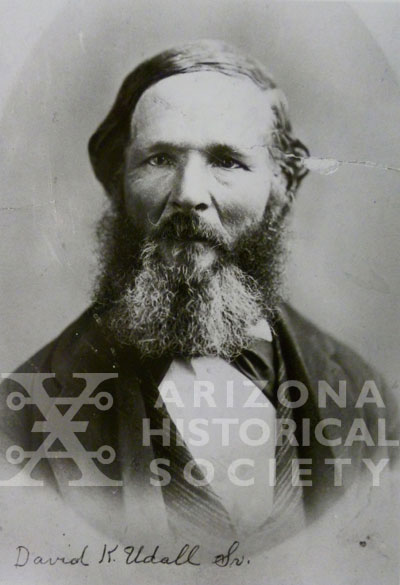
Udall was 29 when he was called upon by Brigham Young in 1880 to lead 50 Mormon families to Northeast Arizona, where they founded the town of St. Johns. His group was one of many that came here starting in the 1870s. Mormons established Pinetop, Show Low, Mesa, Safford, Thatcher and St. David, among others. By 1890, the census showed 6,500 Mormons in the territory. Mormons were admired for their hard work and community-building, including the opening of many schools. There also was hostility toward them, though, for the polygamist practices of some members, Udall among them. That eased after the church officially abandoned polygamy in 1890. Udall and his two wives had 18 children. Two became Arizona Supreme Court justices, one a state legislator and one a mayor of Phoenix. The next generation included three mayors and two U.S. congressmen — Stewart and Morris. The current generation includes two U.S. senators — Tom and Mark.
Harry C. Wheeler: Final captain of Arizona Rangers; rejected by U.S. Military Academy because he was too short
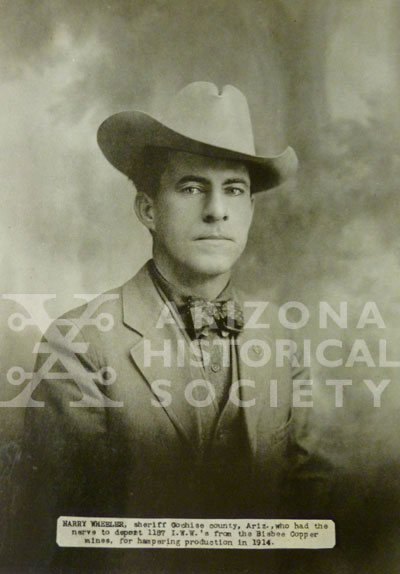
Taking a lead from Texas, Arizona’s Legislature in 1901 established a force of roving lawmen. It was called the Arizona Rangers, and it arrested thousands of cattle rustlers, train robbers, killers and others before it was disbanded eight years later. The Rangers concentrated their work in southeastern Arizona and had the cooperation of Mexican officials to cross the international line in pursuit of desperadoes. Wheeler was the third and final leader of the Rangers, a sometimes secretive bunch that included no more than 26 men at a time. He was paid $175 a month for the dangerous work and had to provide his own horse.
Henry Wickenburg: His mine produced riches, but not for him

The Vulture Mine northwest of Phoenix had so much gold that at first it was visible to the eye. Or so the lore goes. Wickenburg discovered it in the early 1860s, but didn’t have the financial wherewithal to develop it. He sold for $100,000 or less. Estimates of the Vulture’s production vary from $3 million to $30 million. Wickenburg did obtain something of lasting value — a town named for him.


