

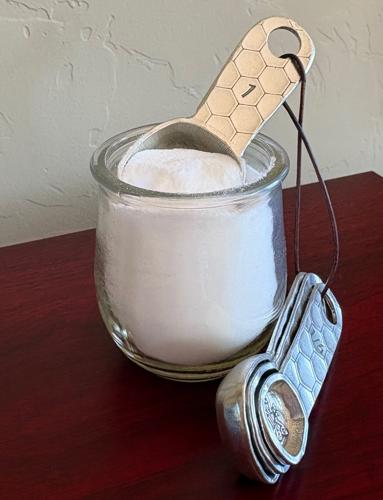

Sugar affects us in many ways. While many people enjoy sweet flavors, too much added sugar can be harmful. Nutrition experts usually recommend enjoying the natural sweetness in fruits, vegetables, and whole foods, and treating desserts as occasional treats. For those managing blood sugar or cutting back on sugar, alternative sweeteners can be useful. One newer option you might see on labels is allulose.
What Exactly Is Allulose?
Allulose naturally occurs in small amounts in foods such as figs, raisins, wheat, molasses, and maple syrup. It’s called a “rare sugar” because it’s uncommon in its natural form. Manufacturers produce it by enzymatically converting fructose. The final product looks and tastes like sugar and comes as a granulated or liquid sweetener.
Even though allulose is a sugar, the body handles it differently from regular sugar. Most of it passes through undigested, so it adds sweetness with very few calories.
How Does It Taste and Cook?
Allulose is about 70 percent as sweet as sugar and tastes much like it, without the aftertaste that some sweeteners have. It also doesn’t have the cooling feeling that some sugar alcohols cause.
When cooking, allulose behaves much like sugar, which makes it popular with home cooks and bakers. You might need a little more to get the same sweetness as sugar, but it’s easier to substitute than many other sweeteners.
What About Blood Sugar?
People who watch their blood sugar are interested in allulose. Studies show it doesn’t raise blood sugar or insulin levels when eaten on its own. Taking small amounts with a meal might even help reduce blood sugar spikes after eating carbs.
Allulose has become a popular choice for people with diabetes, prediabetes, or anyone trying to manage their energy and cravings. Researchers are still studying its long‑term effects, but early findings are encouraging.
More Than Just a Sugar Substitute
Early research suggests allulose might help with weight and metabolic health and could be gentler on gut bacteria than artificial sweeteners. As studies continue, people are interested in allulose for more than just replacing sugar.
Is It Safe?
The U.S. Food and Drug Administration considers allulose safe. Studies lasting up to a year have found no major safety concerns when people consume typical amounts. Eating large amounts might cause bloating or gas for some, so it’s best to use it in moderation.
Putting It All Together
Allulose can be helpful, but it’s not an excuse to eat sweets every day. Eating nutrient‑dense and minimally processed foods is still key to long‑term health. For those managing blood sugar or cutting back on sugar, small amounts of allulose might make healthy eating easier and more enjoyable.
Allulose gives you more choices. When used in small amounts, it can help support balance, moderation, and well‑being.
Nancy Teeter is a Registered Dietitian and a SaddleBrooke resident. Although mostly retired, she remains passionate about sharing her nutritional knowledge with others. Always consult your medical provider before making lifestyle changes.
 Tucson's having a big fast-food reshuffle


