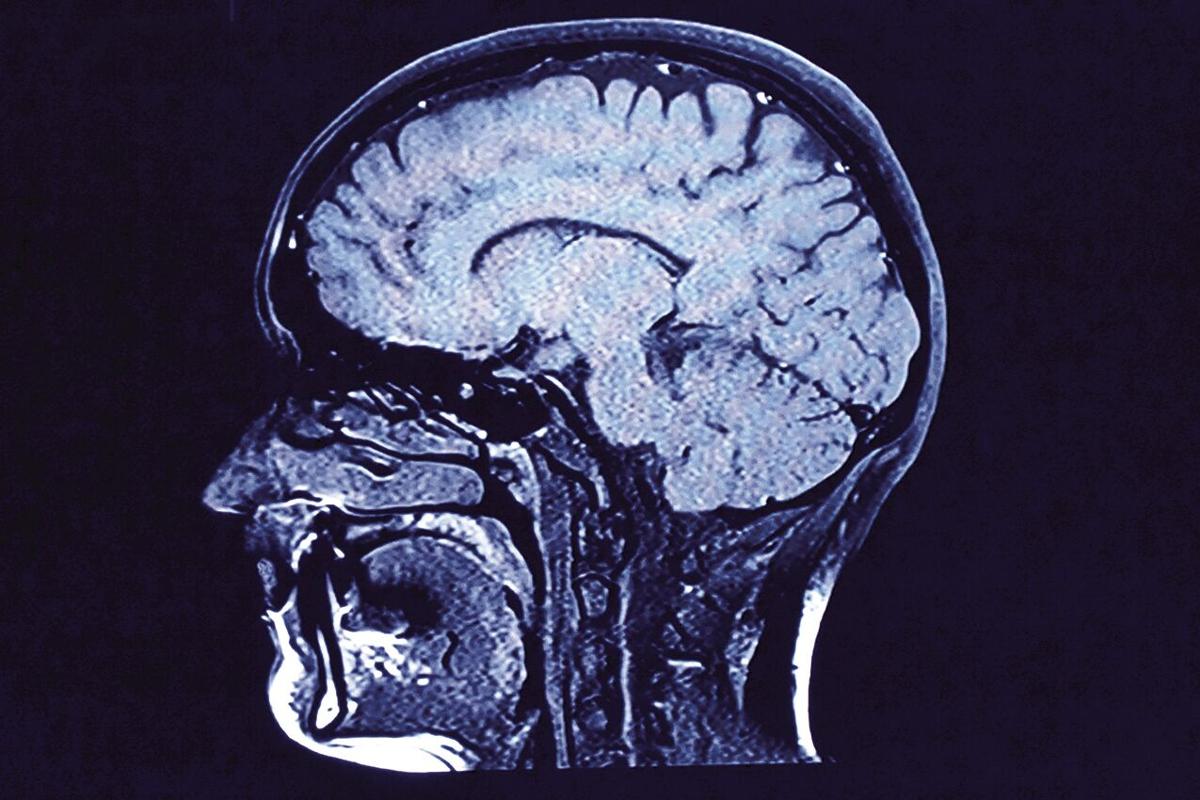
Stroke seems to strike out of the blue, but it’s really cumulative effects that lead to stroke. Although it may seem like stroke is unpredictable and there is no way to pinpoint exactly when one might happen, there are tests that can be done to help determine if a person is at elevated risk for stroke. This may help people make marked changes to their lifestyles and undergo more frequent screenings for health conditions that can contribute to stroke risk.
The Stern Stroke Center at Montefiore says every 40 seconds someone suffers a stroke in the United States, and every four minutes someone dies of a stroke. Stroke remains the No. 1 cause of disability in the U.S. The following are tests which measure higher stroke risk so people can take action.
Heart auscultation: When a doctor takes out a stethoscope and listens to your heart, he or she is performing a heart auscultation. This simple test can help identify problems with heart valves or heartbeat irregularities. Both of these conditions can cause blood clots that lead to stroke.
People are also reading…
Carotid ultrasound: Harvard Health says a carotid ultrasound can detect the buildup of cholesterol-filled plaque in the carotid arteries in the neck. As these arteries deliver blood to the brain, a blockage can compromise that and lead to stroke.
Cerebral angiography: Healthline says a cerebral angiography involves injecting a contrast medium into your blood so that imaging will clearly show blood vessels in the brain, which can help identify any blockages or bleeds.
Electrocardiogram: An EKG monitors heart rhythm by using sensors positioned on the chest to show heartbeat waves. An abnormal heart rhythm or heart rate can put you at risk of stroke.
Blood pressure measurements: It’s important to have blood pressure measured regularly, as more than two-thirds of individuals who experience a stroke have hypertension, says Verywell Health. Chronically elevated blood pressure can lead to disease of the blood vessels over time, all of which can cause a stroke.
Cholesterol check: Getting cholesterol levels checked at least once every five years can help doctors identify if high cholesterol is a problem. Lowering LDL, the “bad” cholesterol, helps reduce stroke risk.
There may be no way to completely detect if or when a stroke will happen, but there are tests that can zero in on heightened risk factors for stroke.

 Lake Mead's drops raise prospect of unaffordable Hoover Dam electricity