

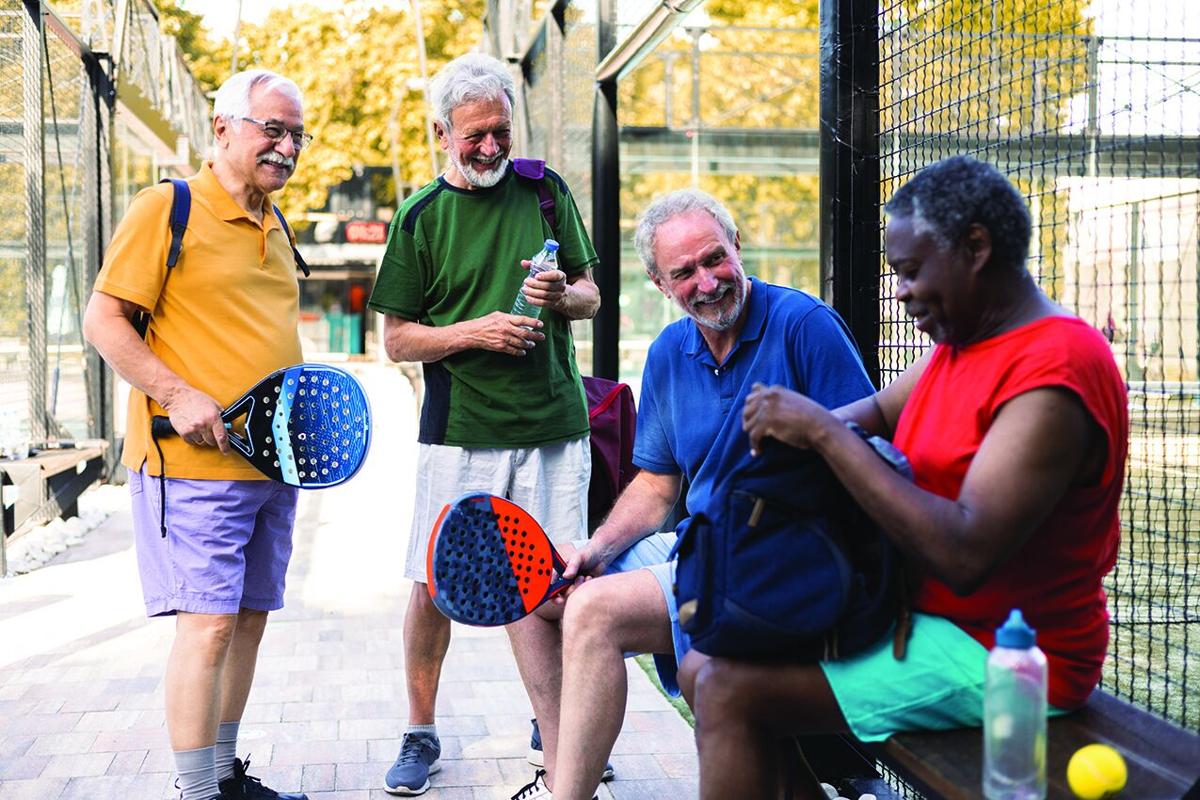
Pickleball has exploded in popularity in recent years. Devoted players may not realize it, but pickleball was created in 1965 as a backyard pastime by three dads: Joel Pritchard, Barney McCallum and Bill Bell. The Sports & Fitness Industry Association says around 19.8 million people played pickleball in 2024. It’s also the fastest-growing sport in the United States for the fourth consecutive year.
While pickleball can be fun and is generally considered to be less intense than tennis, the sport’s staying power can also be attributed to the significant health benefits it offers. The combination of social interaction, cognitive impact and aerobic exercise make pickleball a particularly beneficial activity. Here is a deep look at the many health benefits of pickleball.
• Helps heart health: The Journal of Functional Morphology and Kinesiology has found that middle-aged and older adults who played pickleball one hour per day, three days a week for six weeks saw significant improvements in blood pressure, cholesterol levels and cardiorespiratory fitness.
People are also reading…
• Burns calories: Players can burn between 400 and 600 calories per hour playing pickleball, says the National Institutes of Health. Research shows that playing doubles pickleball results in 36 percent more calories burned than taking a leisurely walk. Also, pickleball doubles often match or exceed the calorie burn of tennis doubles because rallies tend to be longer with less downtime.
• Lowers stress levels: The more people play, the better they feel from a mental perspective. The NIH reports a 2025 study of more than 1,700 players found that playing three or more times a week was linked to significantly higher mental well-being scores. This exercise can trigger endorphin release and lower cortisol levels.
• Boosts the brain: Pickleball stimulates cognitive function because the game features fast-paced strategy and requires thinking on your feet. Plus, the fast pace often induces a “flow state,” which is a mental zone where players are so focused they lose track of time, which helps to reduce anxiety.
• Combats loneliness: Pickleball is a social sport, with new centers and leagues popping up each year. That makes it easy for players to make new friends through the sport.
• Promotes physical agility: Pickleball can be a tool for maintaining independence through physical agility. Baptist Health says pickleball can help improve balance and stability in seniors. Because pickleball is a weight-bearing sport, it also helps strengthen bones and muscles.
Pickleball is all the rage and a great way for players to have fun and boost health in the process.


