
Because of the work and dedication of Gen. Frank Harris Hitchcock, generations of Tucsonans have been able to easily escape the Tucson valley floor and drive to the top of Mount Lemmon. In the early 1930s, he worked tirelessly towards constructing a southern route up the mountain. For his efforts, the roadway is officially named Hitchcock Highway.
[photo moved to image asset]
Photo courtesy of Bill Critchlow
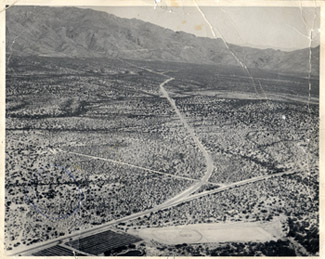
Intersection of E. Tanque Verde Road and N. Catalina Highway, circa 1950.
Hitchcock was the editor and publisher of the Tucson Daily Citizen and also a former Postmaster General of the United States. He realized Tucson needed a southern route up into the Catalina Mountains, in addition to the already existing northern route.
With his Washington connections, Hitchcock knew people and politics. One of his important contacts was the head of the Bureau of Prisons. Prison labor, Hitchcock believed, was the best option for making the project feasible. He succeeded in getting the project approved.
People are also reading…
[photo moved to image asset]
Courtesy Arizona Forest Highway Project
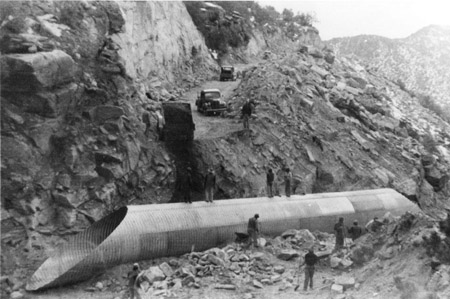
Construction at Catnip Canyon Crossing near mile 8.8.
Work on the new highway began in June of 1933. The venture was a cooperative effort between the federal Bureau of Prisons and the Bureau of Public Roads. Prisoners did most of the strenuous and slow-going construction work. It took almost 18 years for the road to be completed.
Hitchcock did not live to see the road completed. He died in 1935. But, in September 1948, the new road to Mount Lemmon was dedicated to Gen. Hitchcock. A bronze tablet marking the memorial project was erected at Windy Point on Hitchcock Pinnacle.
[photo moved to image asset]
2006 Star photo
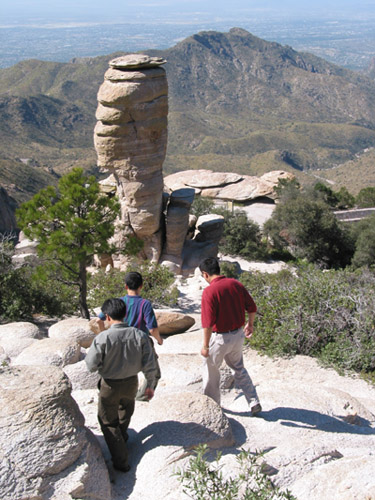
Hitchcock Pinnacle near Windy Point.
The commemorative plaque includes an engraved portrait of Hitchcock and reads “This beautiful highway was made possible by his sincere interest and unceasing efforts. It is dedicated to him and shall be known as Hitchcock Highway.