

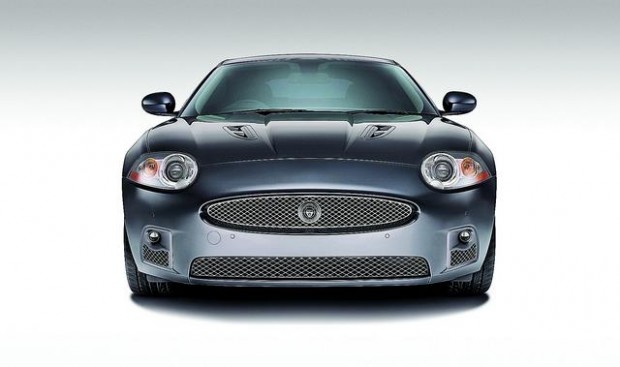
GENEVA, Switzerland — The global auto industry will get a major new player, and Ford Motor Co. will lose a major distraction when Indian conglomerate Tata buys Jaguar and Land Rover from Ford in about two weeks.
The acquisition will transform Tata, which prides itself on building affordable vehicles that are fuel-efficient and easy to service. It also will free Ford to devote its resources to repairing its North American operations.
The price of the deal has not been disclosed.
Awaiting the sale, Tata's top executives spoke Tuesday of their plans for the company — which employs about 19,000 people in North America — and reveled in the acclaim for the European debut of their $2,500 Nano at the Geneva auto show.
It was developed to be India's Model T — the first car the average person could afford.
People are also reading…
The company does not have current plans to sell the car in Europe or other developed markets, Tata Group Chairman Ratan Tata said, but "we are unbelievably surprised at the international attention for the Nano.
"We hope a high-end Nano one day will be available in Europe."
Tata, which sold 580,280 vehicles in its last fiscal year, is preparing for a growth spurt fueled by the Nano and other new models.
The Jaguar acquisition is seen as chancy for Tata and good for Ford.
"Now Ford can concentrate on fixing the big problems at the Ford brand," said Joe Phillippi, principal of AutoTrends Consulting, of Short Hills, N.J. Ford decided to sell Jaguar and Land Rover last year to focus its money and resources on repairing its North American operations. After fielding several offers, it began detailed negotiations with Tata late in 2007.
New ownership does not guarantee success for the long-troubled brands.
"Jaguar-Land Rover is a risky purchase no matter who buys it," said Michelle Krebs, editor of AutoObserver.com. "How do you reverse the downward trend? How does a company with no expertise in marketing global luxury brands take on that job?"
No announcement of the Ford-Tata deal will be made during the Geneva auto show this week, but officials don't foresee any problems.
"Indian businesses are now being more active and aggressive internationally," said Shanat Patel, global emerging markets strategist for Nomura Research in London. "This is just the beginning. Other Indian companies will become a global presence."