

If you're looking for something different to grow, take a cue from the National Garden Bureau.
The nonprofit group representing businesses focused on home horticulture each year chooses plants to highlight. "The Year of the...." The 2012 selections are geraniums, heuchura and herbs.
Local experts, none of whom are bureau members, provide tips on how to grow these around Tucson.
GERANIUMS
Not only are there no native geraniums, what we all call geraniums aren't, "botanically speaking," says horticulturist Tony Sarah.
Suffice it to say that what people think of as geraniums have orbs of flower petals that the true species doesn't sport, says Sarah, general manager of Magic Garden Nursery and Landscape.
Plant them in spring or fall in full sun, he advises. Peak blooming happens in spring with additional color popping up in the fall.
People are also reading…
They can survive through winter if covered during frost and freeze.
Summer, especially in temperatures over 103 degrees, stresses the plant, but daily watering and fertilizing every few weeks can carry them through. Geraniums will need afternoon shade to survive the season.
HEUCHERA
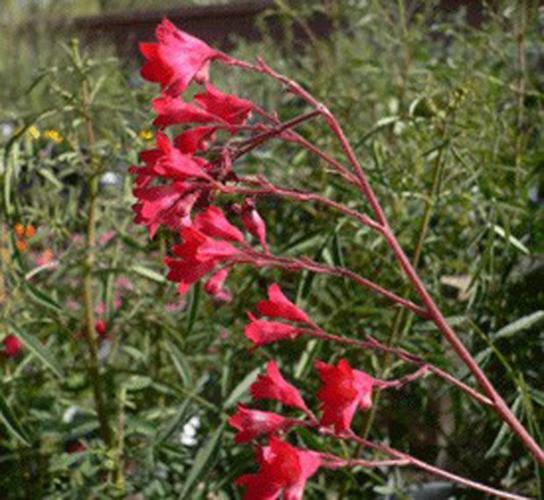
Pronounced "HOY-ker-ah," the perennial also is known as coral bells. There are several local species, including some found in the wild on Mount Lemmon and in the Chiricahua Mountains, says Russ Buhrow, curator of plants at Tohono Chul Park.
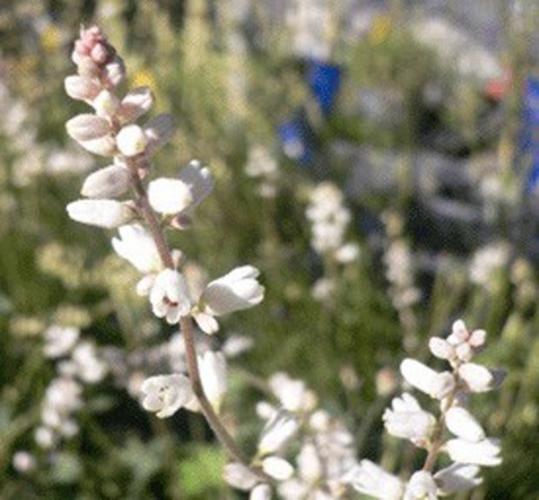
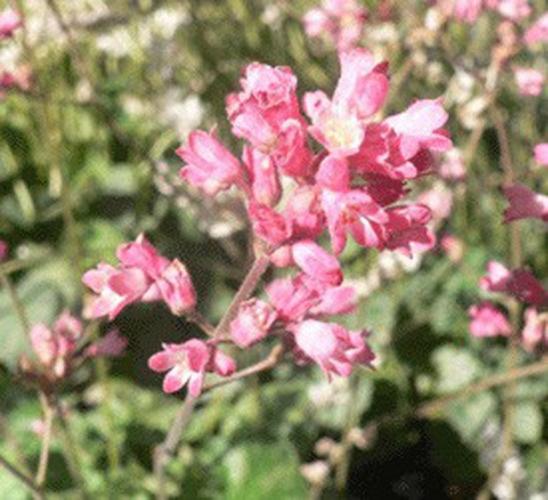
The park grows and sells two species, the cherry red sanguine and the white glomerulata. Buhrow combined these to propagate a pink bloom called Flush of Spring.
"They are completely bulletproof," he says of the plant's cold hardiness. They become stressed in temperatures above 95 degrees and need part shade in the summer.
Their heavy blooms in the spring attract hummingbirds.
Buhrow suggests planting them in pots with half sand and half mulch. Regularly fertilize them and keep soil moist.
HERBS
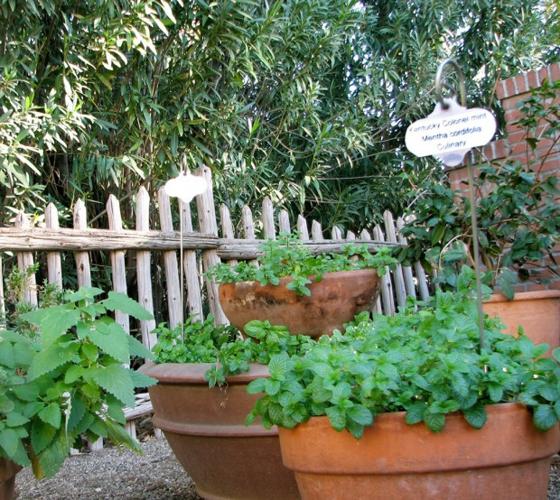
Herbs describe plants "by their usefulness, rather than by their appearance or botanical structure," according to the bureau website. Their uses include flavoring, medicine and dyes.
Many common ones do well in Tucson, says Dalziel Dominguez, who tends the herb garden at the Tucson Botanical Gardens.
Among the best growers are basil, Mexican organo, Mexican tarragon, cilantro, mint and dill, says Dominguez.
When growing herbs, "the soil matters big time," he says. Create a 1-foot-deep bed of at least 2 inches of compost mixed with native soil.
Plant summer herbs after the last frost, usually in March. Winter herbs can get started in September.
Water to about 6 or 7 inches, which means about every four to five days in the winter. You could end up watering every day in the summer unless you mulch the soil to retain moisture.
Potted herbs will need regular feeding with a general vegetable fertilizer, Dominguez advises.
More on the 3 for '12
To learn more about the featured plants of the National Garden Bureau, check out its website, www.ngb.org.
Contact local freelance writer Elena Acoba at acoba@dakotacom.net.


