On Page One of Kristin Hannah’s bestselling novel, “The Nightingale,” there is a line that may be remembered even longer than the book itself.
“In love we find out who we want to be,” Hannah writes. “In war we find out who we really are.”
This no doubt explains why war stories hold a special place in American literature — and why, with the approach of Military Appreciation Month, volunteers at the Tucson Festival of Books offered to share some of the contemporary titles that resonated most deeply with them:
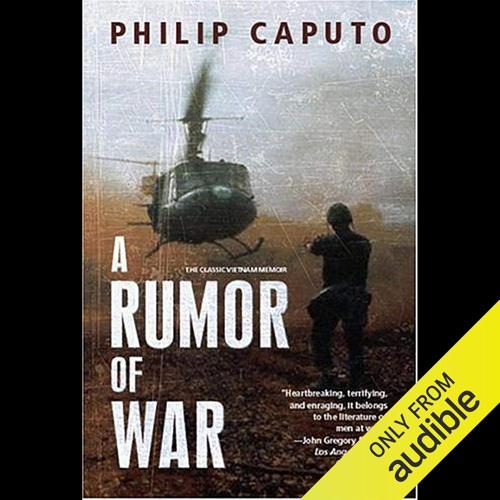
- “A Rumor of War” is a sobering memoir by Philip Caputo, who was in the first combat unit sent to Vietnam in March of 1965. Sixteen months later, he returned home, alive but emotionally shattered. Published in 1977, “Rumors of War” was the first of 19 books by a man who is still writing and still living six months a year in Patagonia. — Jack Siry
People are also reading…

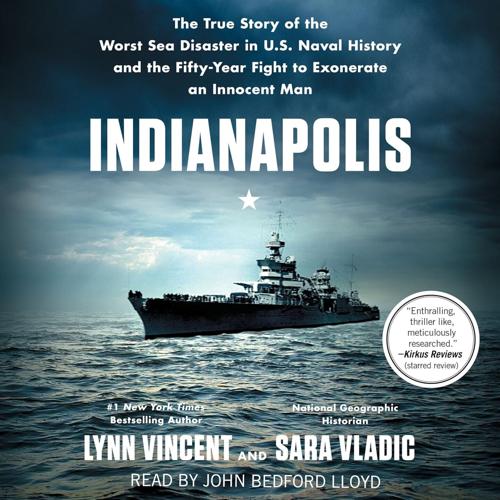
- “Indianapolis” by Lynn Vincent and Sara Vladic is a survival story featuring the 900 crewmembers who were aboard the USS Indianapolis when it was torpedoed in the Philippine Sea, one month before the end of World War II. Only 316 of them survived. — Lindy Mullinax

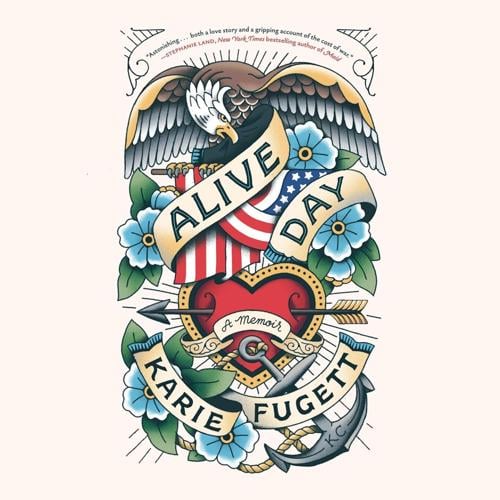
- “Alive Day” by Karie Fugett (2025) is a searing memoir from a 20-year-old woman whose newlywed soldier is severely injured by an IED in Iraq. Suddenly, Karie is both caretaker and nurse, someone who must negotiate the labyrinth that is the V.A. hospital system. — Mary Spitzer

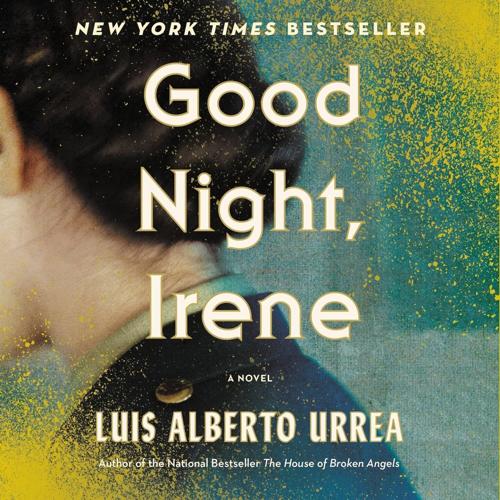
- “Good Night, Irene” by Luis Alberto Urrea is a warm, heartfelt novel based on the real-life experiences of Urrea’s mother during World War II. After joining the Red Cross, Irene Woodward was assigned to the “Donut Dollies,” a team of women who served coffee, pastries and kindness to soldiers on the front lines. — Ellen Dickinson

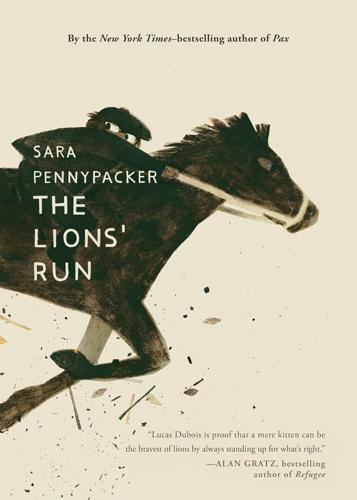
- “The Lion’s Run” by Sara Pennypacker is a middle-grade novel that centers around Lucas Dubois, a 13-year-old orphan in occupied France during World War II. Kind and shy, he becomes an unlikely hero when he agrees to help a young mother escape capture by fleeing down a five-kilometer racetrack called Lion’s Run. — Kathy Short

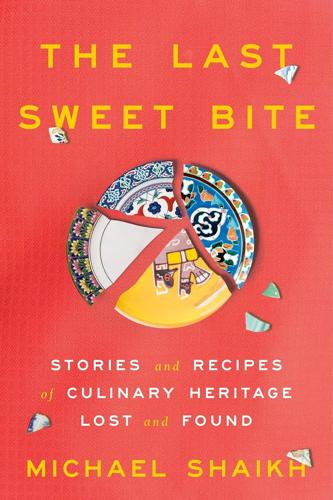
- “The Last Sweet Bite” by Michael Shaikh is an interesting study of regional culture and cuisine, and how they change during and after war. Shaikh himself is a writer and human rights investigator who works in areas of armed conflict. His book explores how man’s appetite for violence affects what’s on our plate. — Tiffanie Roberts

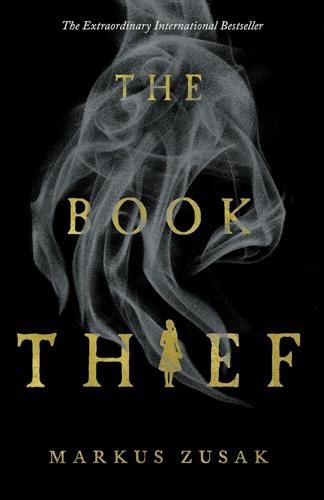
- “The Book Thief” by Markus Zusak is a memorable look at the power of books, featuring a young foster girl who learns to read by stealing books — and then sharing them with neighbors struggling to survive — during World War II. — Tricia Clapp and Thea Chalow

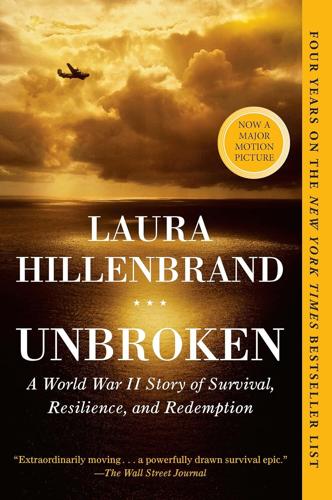
- “Unbroken” by Laura Hillenbrand is a true-life account of Louis Zamperini’s incredible fight for survival after his B-24 crashed into the Pacific during World War II. He spent 47 days in a life raft before being “saved” — by the Japanese Navy. — Gay Vernon

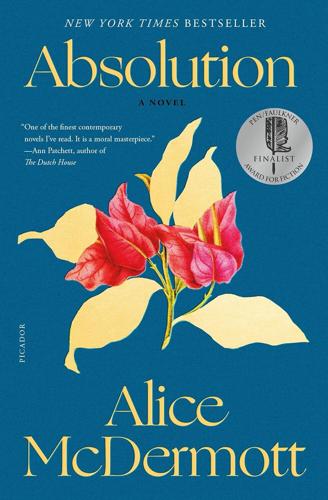
- “Absolution” by Alice McDermott reminds us that American women sometimes found their own ways to support the war effort in Vietnam. In it we meet Tricia and Charlene, who found themselves living and working in Saigon in 1963. Their untold story was discovered by Charlene’s daughter 60 years later. — Lynn Wiese Sneyd

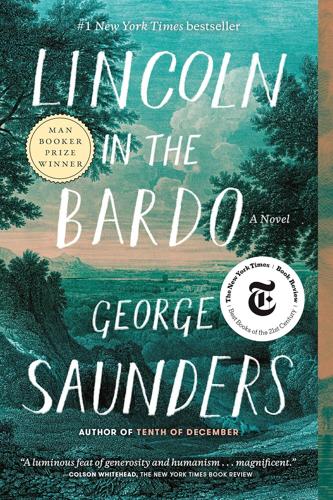
- “Lincoln in the Bardo” by George Saunders is a powerful yet tender tale recounting the death of Abraham Lincoln’s 11-year-old son, Willie, during the Civil War. It was a Booker Prize winner in 2017. — Meg Files

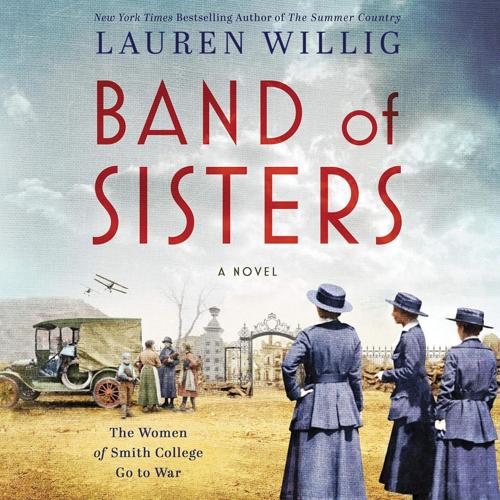
- “Band of Sisters” by Lauren Willig is a novel based on the true story of Smith College women who volunteered to serve in World War I. Each had her own reason for stepping forward, but when the German Army threatened to crack allied lines, they became a true “band of sisters.” — Pamela Treadwell-Rubin

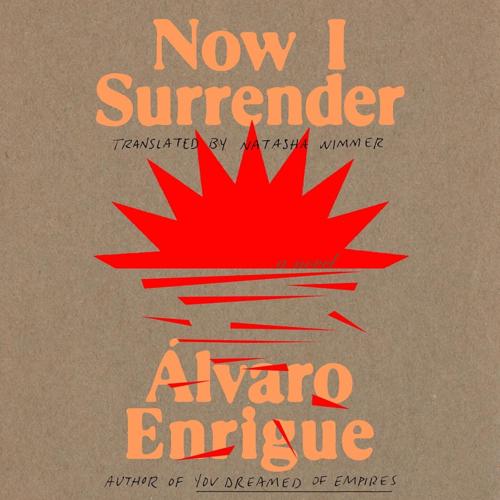
- “Now I Surrender” by Alvaro Enrigue is an expansive look back at the battles fought by the U.S., Mexico and the Apaches along our southern border in the 1800s. In it, Enrigue recasts the popular version of “how the West was won.” — Samantha Neville

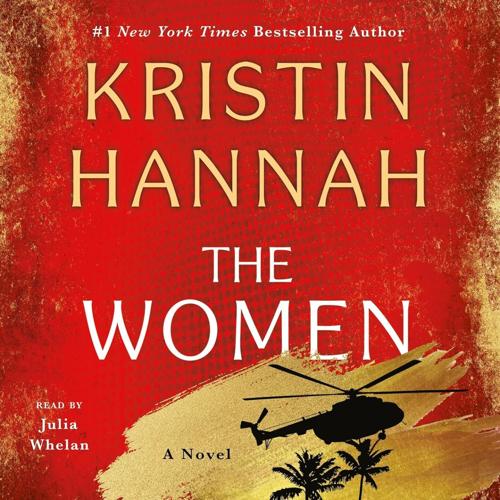
- “The Women” by Kristin Hannah is a remarkable study of the role women played during the Vietnam War, and the second battle they fought when returning to a changed and deeply divided America. It features Frances (Frankie) McGrath, an Army nurse whose descriptions of the Vietnam War struck the heart of modern-day readers who lived through it. — Trisa Schorr

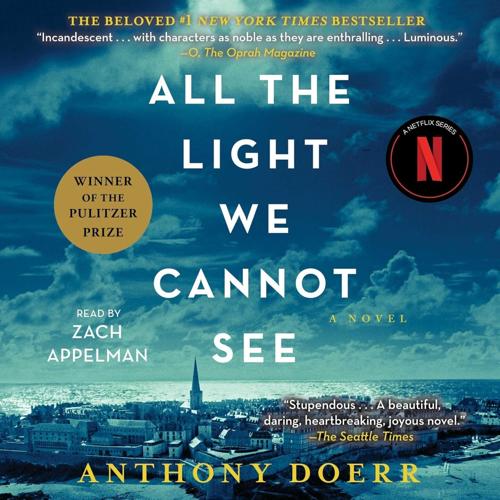
- “All the Light We Cannot See” by Anthony Doerr was a National Book Award winner about a young French girl and a young German boy whose paths intersect in occupied France during World War II. — Bruce Dinges and Pamela Clarridge

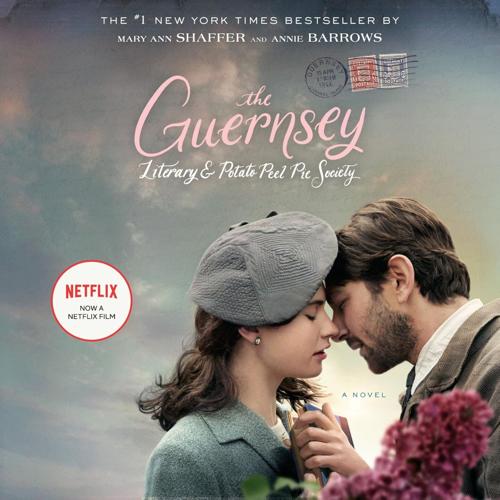
- “The Guernsey Literary and Potato Peel Pie Society” by Mary Ann Shaffer and Annie Barrows recounts the German occupation of Guernsey, an island 70 miles off the south coast of England, during World War II. — Lori Roman

To see the full list of festival authors, visit tucsonfestivalofbooks.org.
The top stories from Sunday's Home+Life section in the Arizona Daily Star.