Laura Williams was a planner. She planned for the butterflies she raised in her backyard in Duncanville, Texas. She planned for power outages at her home, buying a portable generator just in case.
She even planned her death.
After going to the hospital with stroke-like symptoms, she decided to work with a death doula — a nonmedical professional who provides support and comfort to those who are dying.
Williams, 66, had a host of medical problems, including cancer. She reached out to Taylor Bell, a death doula in Fort Worth, about two years before her Nov. 2 death.

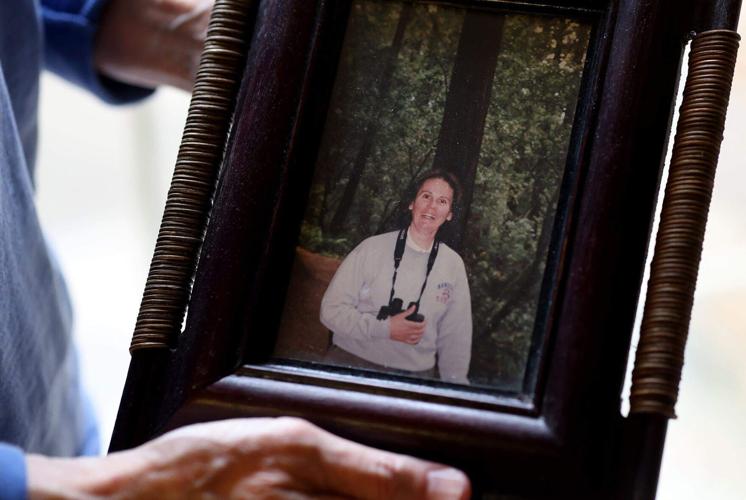
A photo of Laura Williams, who died Nov. 2.
“I think Laura just realized, ‘Oh my gosh, am I ready?’” said Sara Minton, Williams’ spouse.
With Bell, Williams spent hours talking about the end of her life and how to prepare for it, Minton said; the two met twice a week. About 15 months before her death, Williams entered hospice and processed that transition with Bell.
People are also reading…
The Art of Dying
Bell makes up one half of The Art of Dying, the death doula organization she runs with her business partner, Lacey Buynak. Bell is based in Fort Worth, and Buynak is based in Hawaii. They are part of a growing group of end-of-life doulas in the United States that urges Americans to prepare for and even welcome death. The National End-of-Life Doula Alliance said its membership grew almost tenfold since 2020.
Most people know doulas as birth workers, but death doulas, also known as end-of-life doulas, work on the other end of life. The challenge is helping clients to accept and prepare for death instead of running from it. Death doulas in the U.S. must grapple with Americans’ resistance to talking about or facing mortality.
Bell noted Americans’ interest in prolonging life distanced them from death.
“Ultimately, death is not a medical event, and we treat it like a medical event,” Buynak said.

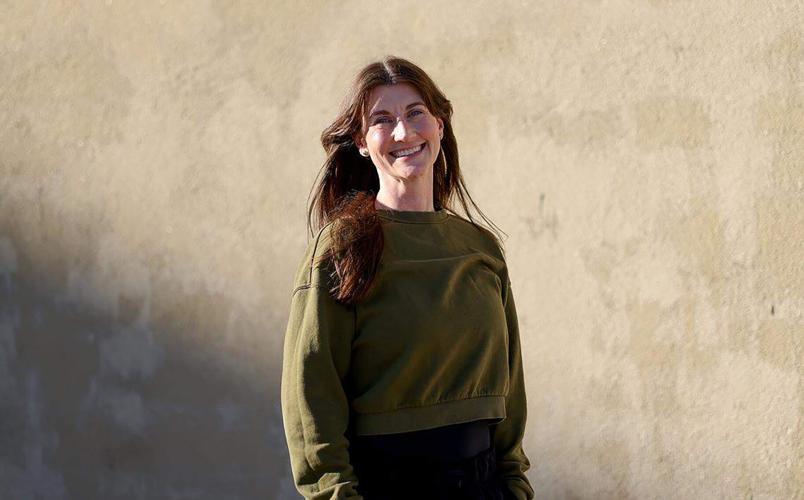
Taylor Bell is a death doula who assists with end-of-life planning in the North Texas area with her business partner, Lacy Buynak.
Shaped by experiences
Bell and Buynak have been friends since going to cosmetology school together. Their decisions to become death doulas were shaped by meaningful deaths in their own lives.
Bell’s mother’s death from cancer in 2013 showed her death could be light and full of laughter, she said. Her mother prepared for death in an environment with music playing and friends laughing.
When her cancer became terminal, Bell’s mother decided to forgo additional treatment and focus on preparing for death. That decision allowed Bell to be fully present as her mother died, she said.
“It always felt like death is in a hospital, and then there’s all this stuff to deal with afterward,” Bell said. “And with her, it was the opposite. Everything had been dealt with before and handled.”
For Buynak, the death of her grandmother in 2020 at the height of the COVID-19 pandemic showed her a different experience: What deaths look like in isolation.
Buynak’s family was able to sneak into her grandmother’s nursing home and have a few moments with her before her death. But Buynak couldn’t stop thinking about the thousands dying in locked-down ICUs without loved ones nearby.
“The human component was really stripped away,” she said.
In 2021, Bell read an article in the New York Times about death doulas, and decided to use the remaining money from her mother’s life insurance policy to sign up for a course to become a death doula.
Bell called Buynak to tell her friend she had signed up for the course. There was silence on the other end of the line.
“I just did the same thing,” Buynak said.
Thus, the Art of Dying was born.
Preparing for the end

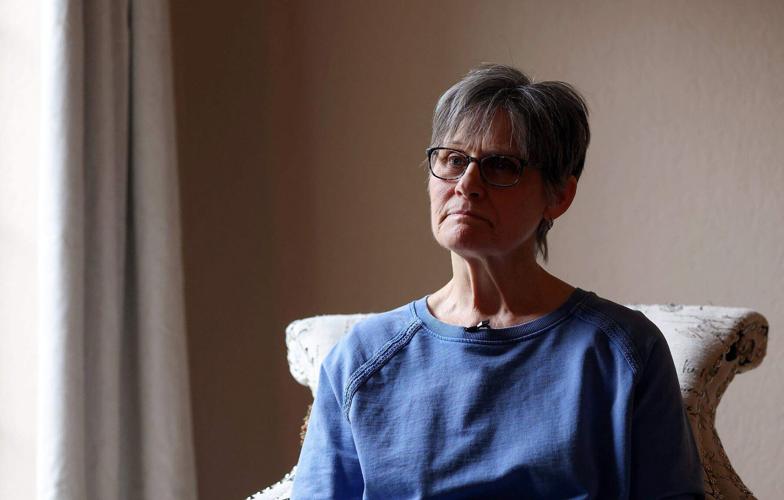
Sara Minton's wife, Laura Williams, died Nov. 2 after using the services of a death doula Taylor Bell to prepare for her death.
Bell and Buynak help clients through traditional support sessions as well as tools like life reviews and ethical wills, which provide structured formats for reflection on life. Their most popular service is the end-of-life binders they offer, which are modeled after the preparations Bell’s mother did before her death.
Their services aren’t just for those who are actively dying. Bell and Buynak think everyone should have a death plan, no matter their age or health.
Death doulas differ from hospice workers in that they don’t tend to medical needs. Minton described the service Bell offered as “the glue that held everything together.”
For Williams, her death was ultimately a reflection of her, Minton said. As she neared death, she was no longer able to communicate, making the preparations she had made in advance essential for her loved ones to know her dying wishes. Williams said she wanted to feel really clean before her death, so just before she died her hospice nurse bathed her.
Her loved ones gathered around her bedside as a playlist of Williams’ favorite songs played in the background. Bell gave Williams a ceremonial bath with lavender water, Williams’ favorite scent. Her loved ones cried and held hands.
It was just as Williams planned.