

Here's a phrase many of us have come to dread: "Come over to the house tonight and we'll show you our travel photos!"
The dread stems from the fact that vacation photos are often bland and boring— but an upcoming course aims to make your photos so darned good that people will actually want to see them.
Titled "Travel Photography," the course is one of a diverse list of more than three dozen classes offered in this year's Learning Curve program.
An independent arts and humanities series that began in January and continues into May, The Learning Curve is directed by Tucsonan Susan Dick.
Instructors include scholars and professionals in many different disciplines. Class topics range from "Watercolor Painting" to "Greek Mythology and Modern Psychology," from "Writing a Book" to "Noteworthy Appetizers."
People are also reading…
The "Travel Photography" course, a March 21 class with a $39 fee, will be taught by Gregory McNamee, a Tucson author, photographer and editor. We asked McNamee to respond to some questions about the course.
It can be challenging to find a fresh perspective at the Colosseum in Rome or at the Grand Canyon. Any tips?
"Every picture should tell a story, and one of the challenges a travel photographer faces is discerning what that story really is.
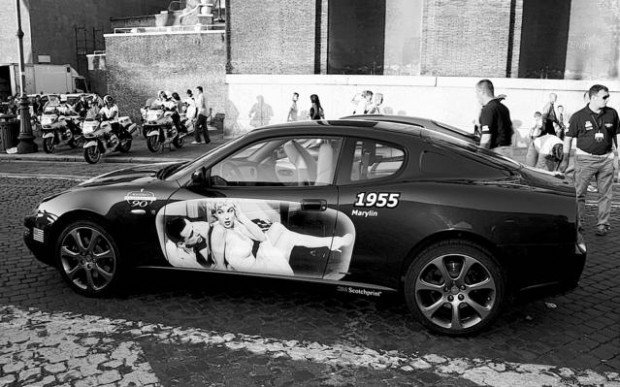
"Is the story about the Colosseum in Rome—or about the Maserati parked in front of it, painted with a picture of Marilyn Monroe and surrounded by admiring motorcycle cops? A wonderfully framed and exposed shot of the Colosseum is a fine and admirable thing that a travel photographer should want to have in his or her portfolio, but living people on the street doing things that living people do, well, that's a story of an altogether different kind."
What's a key factor to keep in mind when it comes to composing a photo?
"A photographic composition should lead the eye into the true subject of the image. If your subject is, say, a server bringing a plate of some exotic dish to your table, a well-composed photograph might place the food in the foreground, the server in the middle ground, and other diners — or a dramatic sky or interesting building — in the background, both foreground and background leading the eye to the center. If the subject is the food itself, then the composition should set the other elements at a clearly defined distance.
"In all events, a photograph should contain nothing that is extraneous — not always easy in travel photography, given the need to capture rapidly passing scenes."
What's a common mistake in travel photography?
"A common mistake people make is the same mistake that they make in traveling — they rush, firing off a shot that, back in the hotel room or back in one's own den, will lack context and have no meaning.
"Speed and timeliness are of the essence, of course, for photojournalism, but over the years, I've learned several tricks to force myself to slow down, think about the shot, make it the best I can, commit that moment to memory as well as film or bytes."
About The Learning Curve
"Exercising the brain is as important as exercising any other muscle in the human body," says Susan Dick, director of the program. "Since its beginning in 2002, The Learning Curve provides what amounts to a fully-equipped gym for those who want to continue learning." Dick says courses, which are offered in a variety of formats, include art history, music, literature, science and other topics.