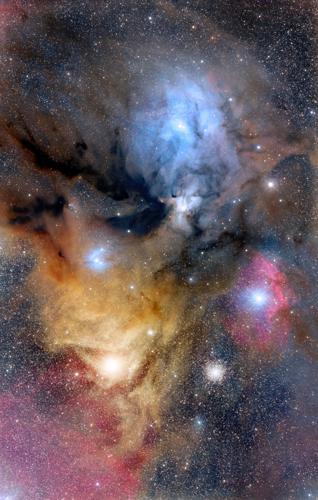
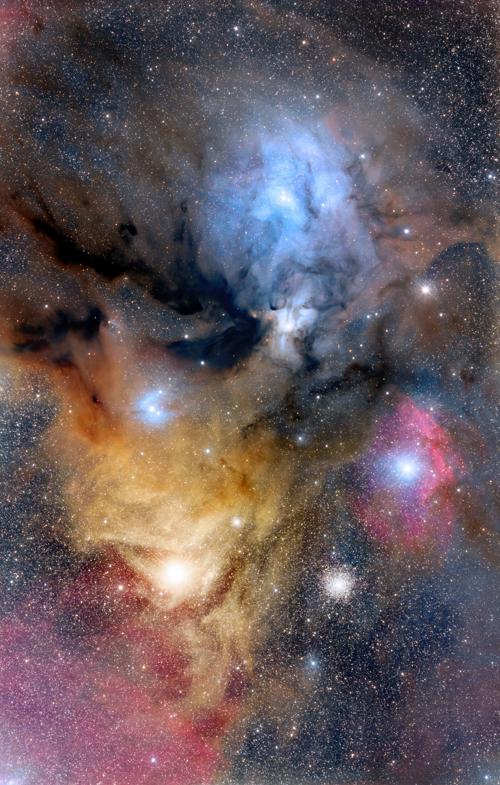
Adam Block got his first film camera at age 13, but he didn’t use it to take pictures of people.
“The first thing I wanted to do was attach it to a telescope,” he said.
Even at age 7, when he got his first telescope, he watched the skies above his family’s Atlanta home. “It was just me out in the driveway,” he added.
Block is now one of the nation’s leading astrophotographers. He studied astronomy and physics at the University of Arizona, which led to a job in public outreach at Kitt Peak National Observatory. He is the founder of stargazing programs at the University of Arizona’s Mt. Lemmon SkyCenter. Block is currently an astronomy researcher in the Department of Astronomy at UA’s Steward Observatory.
Block describes himself as a “popularizer in astronomy. Astrophotography has much greater reach since the images I create can be seen by people around the world.”
People are also reading…
To capture the night sky, Block uses telescopes such as the Pomenis Astrograph, a 180 mm wide-field telescope at the Mount Lemmon SkyCenter.

Adam Block
The camera attached to the telescope is not your average Canon SLR. One camera Block uses is an Apogee Alta F9000 — “a digital camera with internal cooling capabilities which improves its sensitivity to light and reduces noise that is inevitable during the long exposures necessary for detecting faint light,” he added. The high-resolution camera gobbles up plenty of data at a color depth of 16 bits, or more than 60,000 brightness levels (tonalities).
The time under the stars can be daunting. “A single astrophotograph is the sum of tens if not hundreds of exposures taken through filters to distinguish between the different colors of light,” Block said. “These photography sessions on a single subject can take many hours and extend across many nights.”
“Biological limitations of our senses that are ill-equipped to fully appreciate all of the wonder the universe offers,” Block said. “The colors are there, but we can’t see them with our eyes through the telescope.”
“The real work is putting together the data,” Block said. It can eight to 12 hours to process an image using specialized astrophotography image processing software such as Pixinsight. But Block uses good old Adobe Photoshop, too.
Interpreting all the data is where the art happens. “There is artistic expression in the creation of these images from the data generated by that equipment. But if you give that same data (those same numbers) to another person, they will create a different kind of image.”
“My style is showing objects in a way you would think that’s the way it actually is,” he said. “I want to communicate the elements I find interesting” in as naturalistic a way as possible, he added.
Regardless of where Block’s telescope is pointed, his fascination with the universe remains the same.
“The sense of discovery always keeps me interested.”
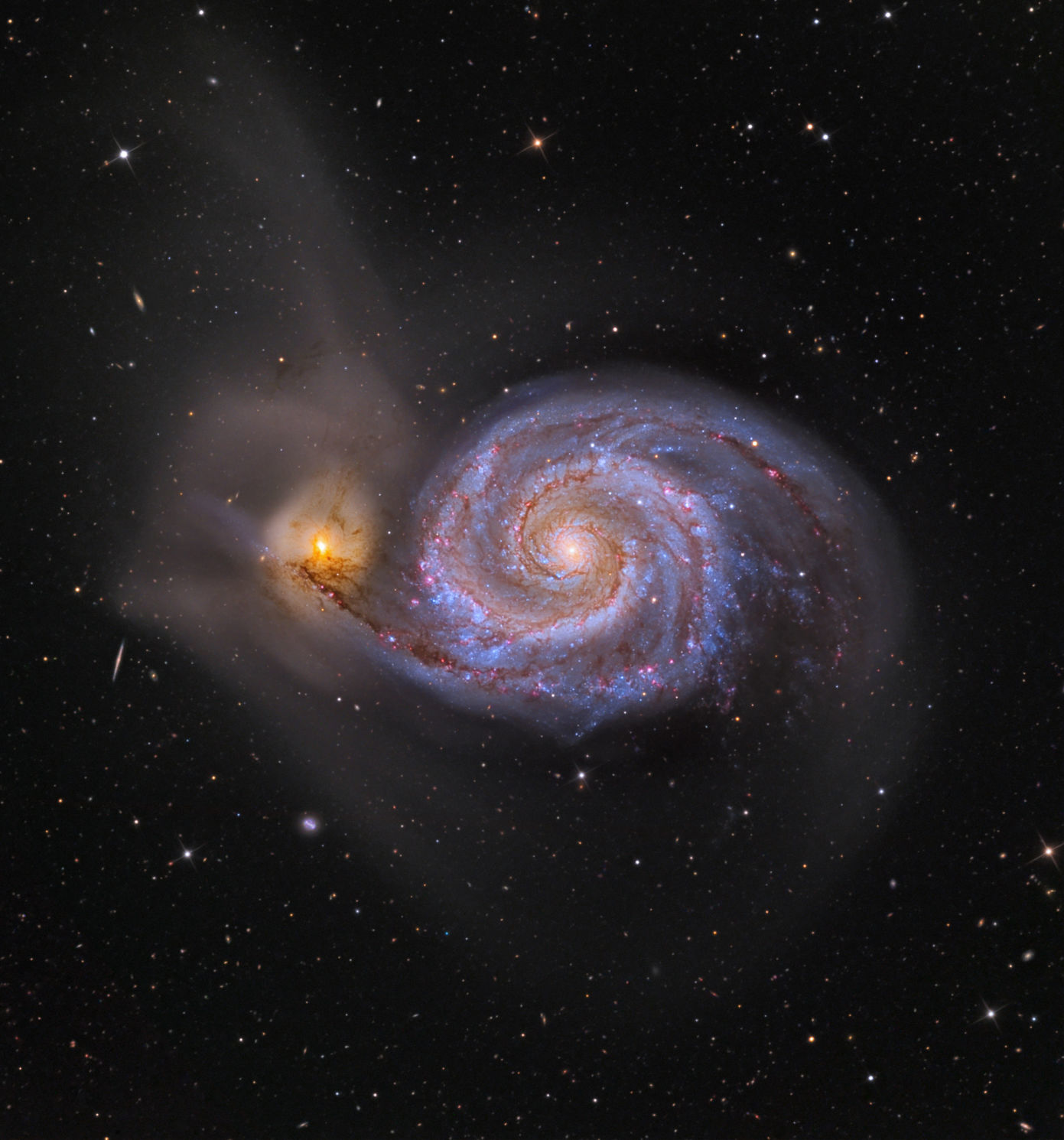
Block can spend up to 12 hours processing his images using specialized astrophotography software like Pixinsight. Above the winding arms of M51, also known as the Whirlpool Galaxy.

M15 globular cluster in the constellation Pegasus taken with a 32-inch Schulman Telescope (RCOS) and SBIG STX16803 CCD Camera from Mt. Lemmon on December, 2015.
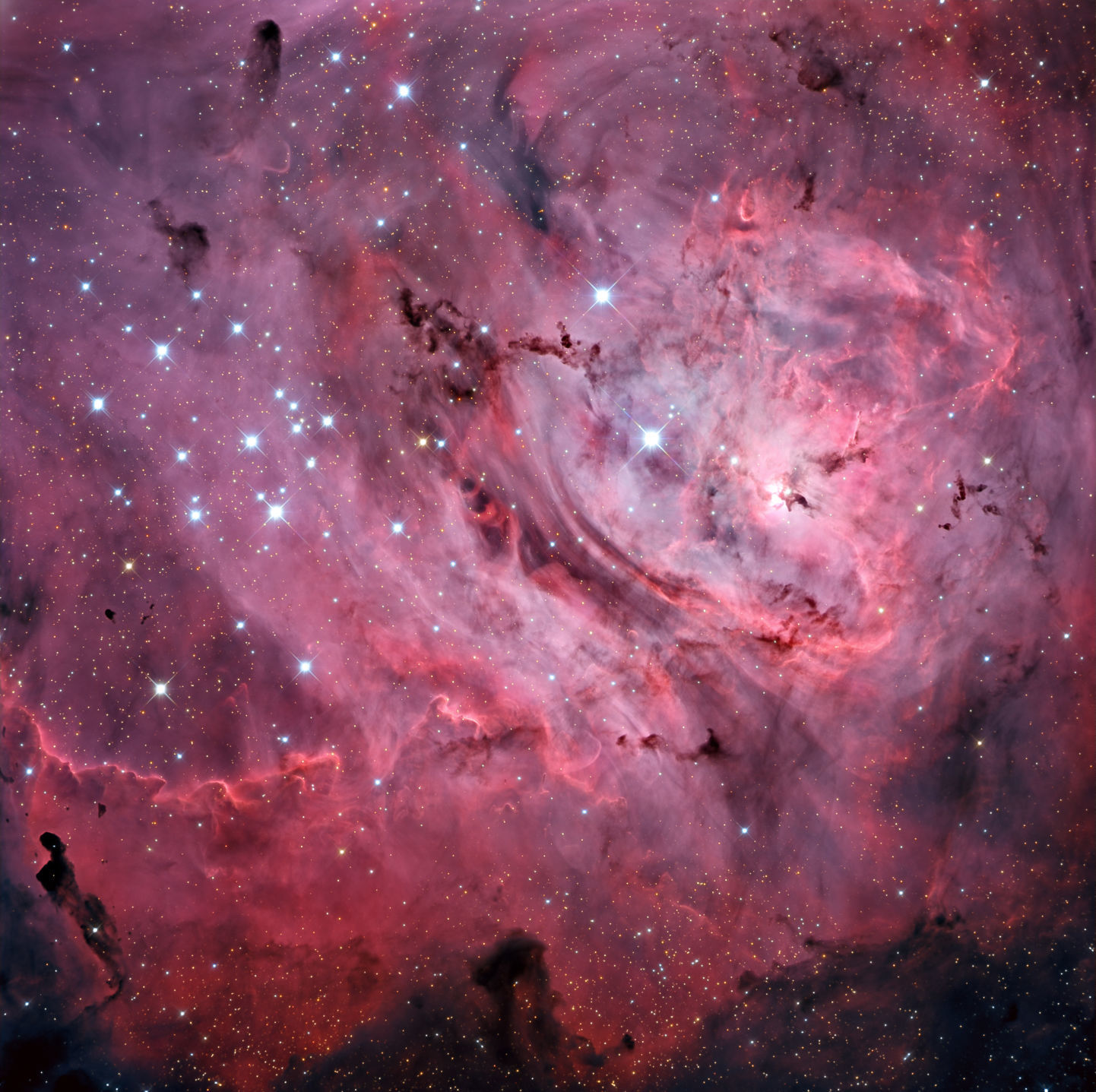
Adam Block, one of the nation’s leading astrophotographers, produced this image of the Lagoon Nebula with a 32-inch Schulman Telescope and SBIG STX16803 CCD camera.
MORE: 28 of Tucson's best neon signs
28 of Tucson's best neon signs
Tucson's neon signs
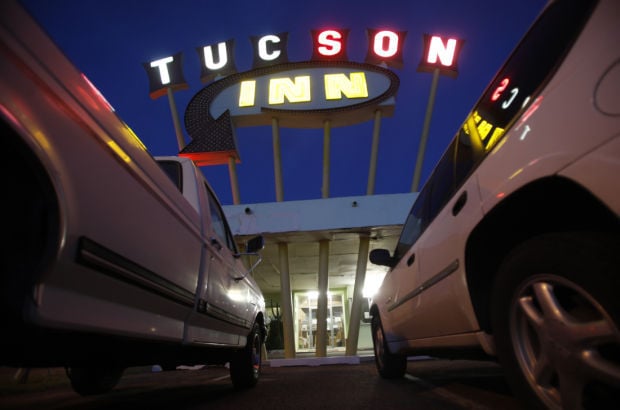
The Tucson Inn at 127 W. Drachman.
Tucson's neon signs
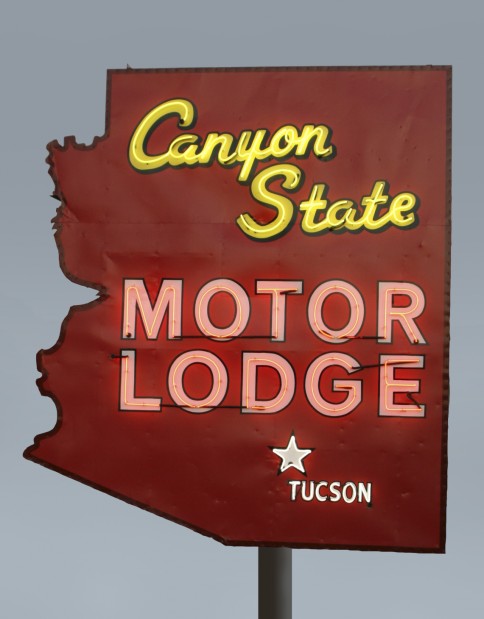
The restored Canyon State Motor Lodge sign will join other signs on display on the north side of the downtown campus of Pima Community College.
Hacienda Motel
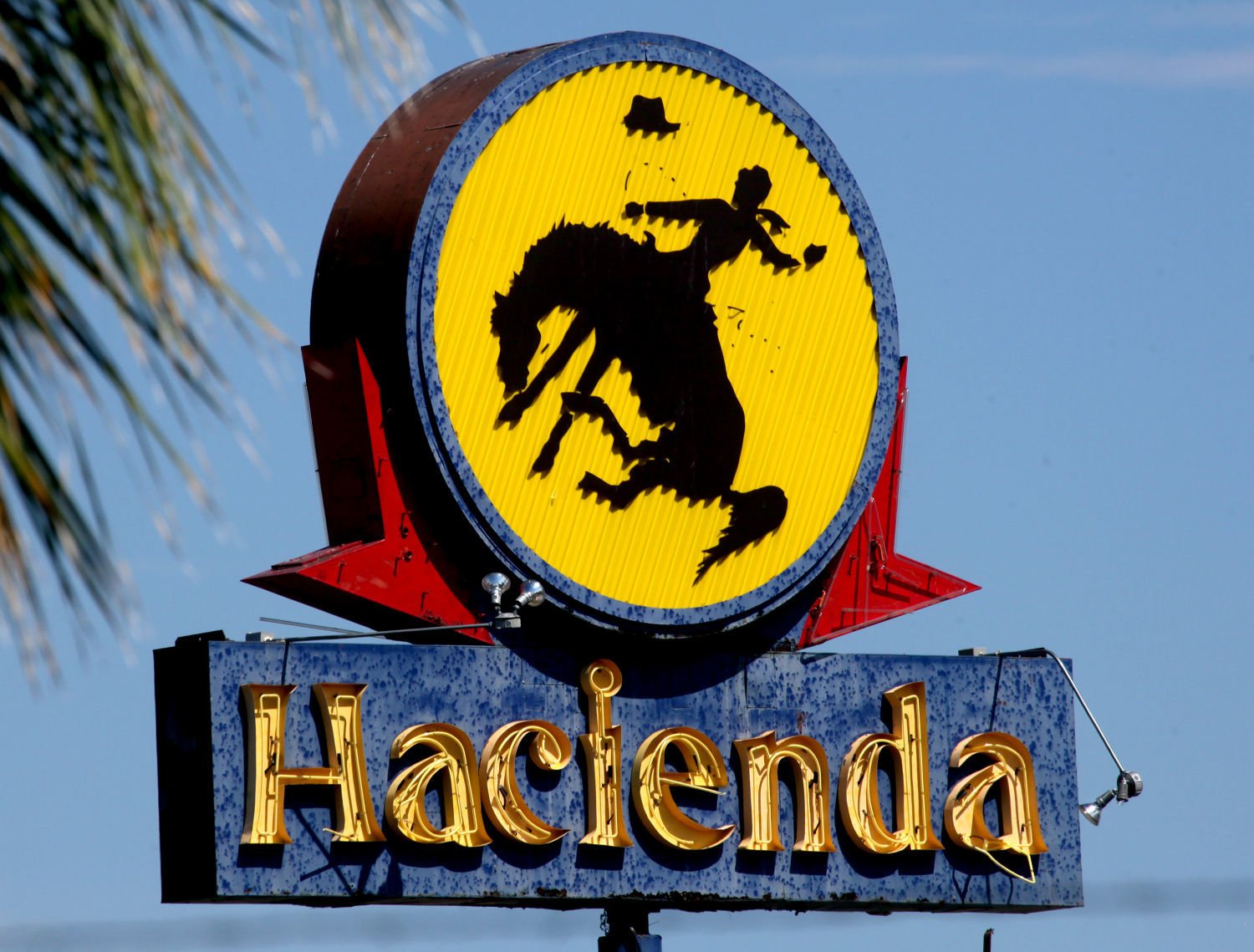
The Hacienda Motel on Oracle Road may become a new apartment complex.
Tucson's signs
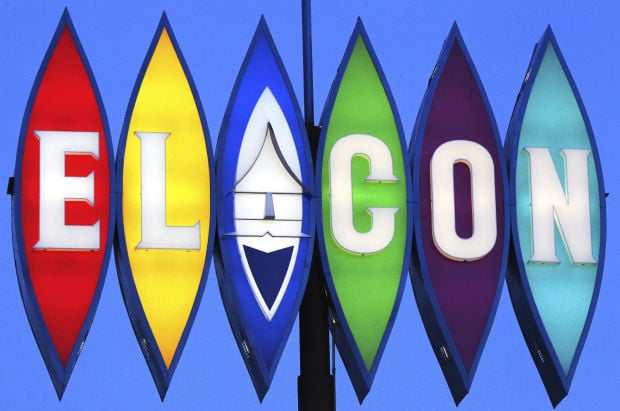
The El Con sign on Broadway was a Tucson landmark from 1962 to 1999. It reappeared in 2012 after refurbishment.
Tucson's neon signs
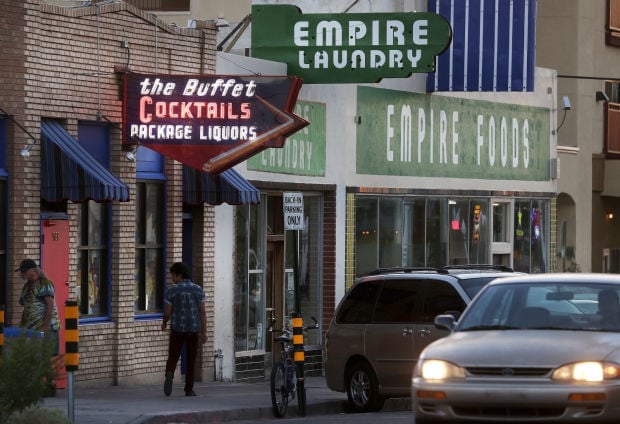
Passersby stroll on the sidewalk near The Buffet, Empire Laundry and New Empire Food Market in the 500 block of East Ninth Street earlier this month in the Iron Horse neighborhood.
Neon signs
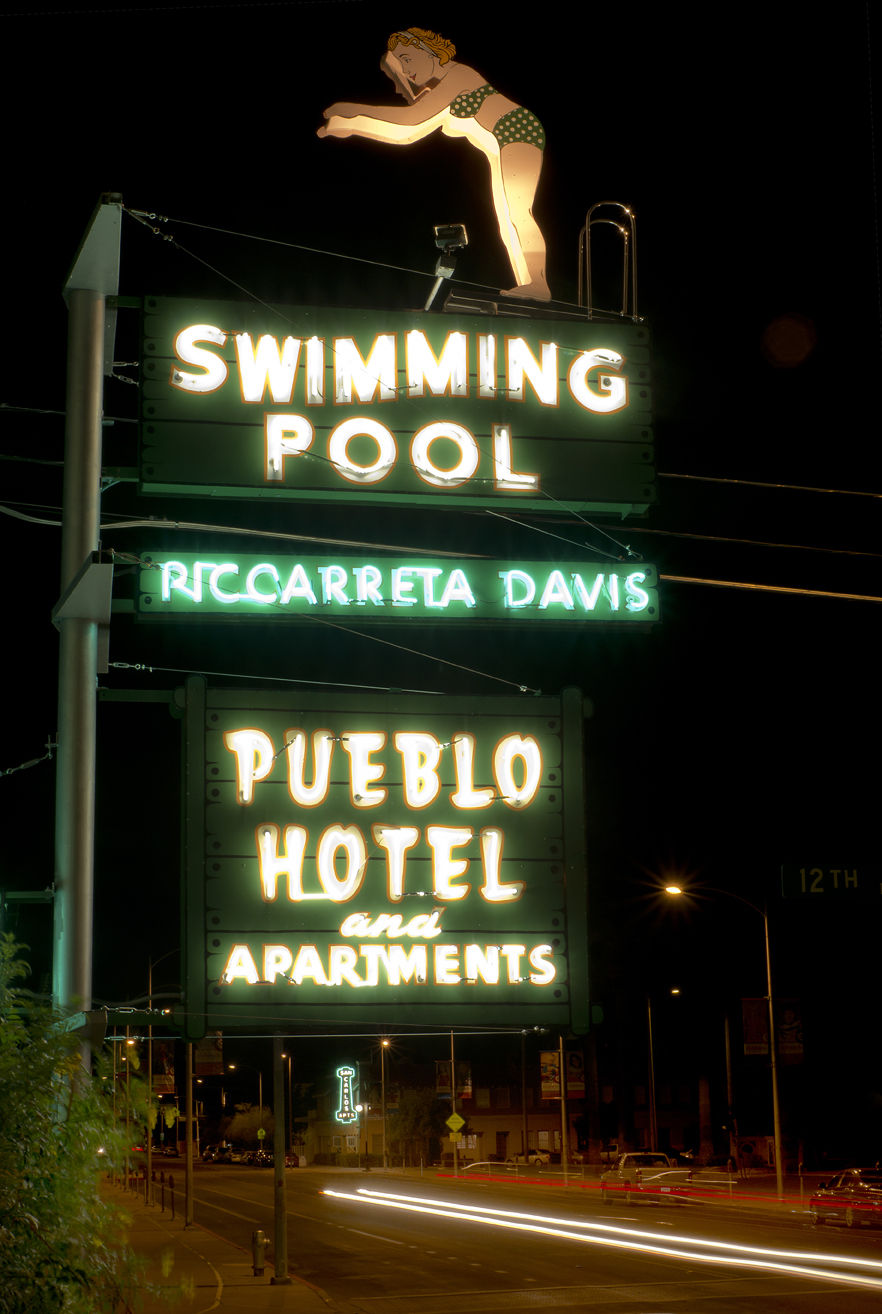
The diving lady atop the Pueblo Hotel, 145 S. Sixth Ave., was restored and reinstalled in 2012.
Tucson's neon signs
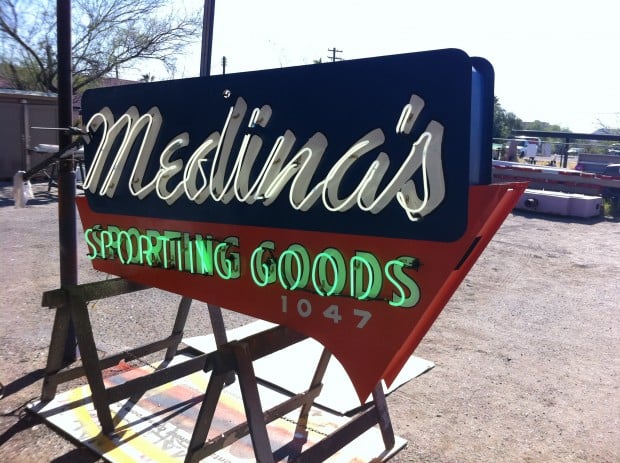
The restored Medina's Sporting Goods sign will join other signs on display on the north side of the downtown campus of Pima Community College.
Tucson's neon signs
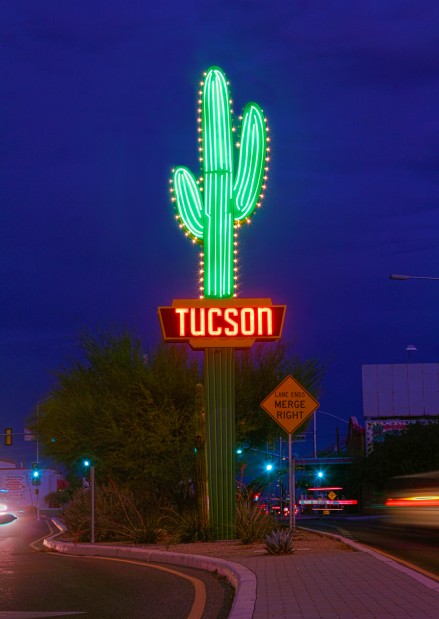
Tucson neon saguaro on Oracle Road north of Drachman. Photo by David Sanders/Arizona Daily Star
Tucson's neon signs
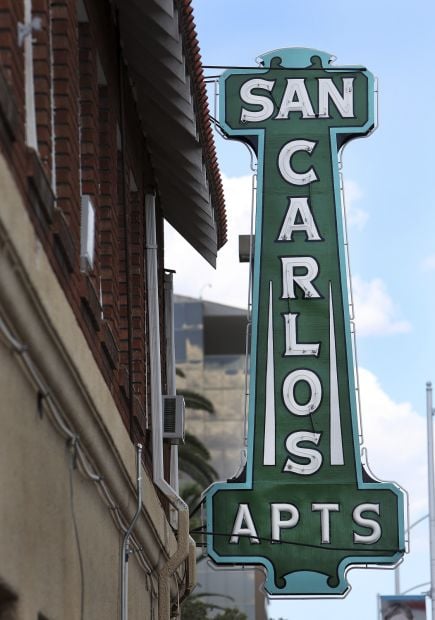
A completely revamped neon sign adorns the facade of the renovated San Carlos Apartments, 71 E. 13th St., on Thursday, Sept. 5, 2013, in downtown Tucson, Ariz. The complex, who’s oldest facets date back to the early-1900s, boasts 36 units set for a grand opening on Saturday, Sept. 14.
Tucson's neon signs
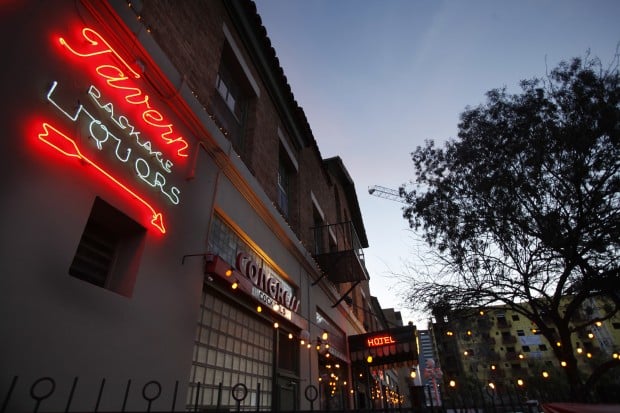
Neon signs on the side of Hotel Congress in downtown Tucson.
Tucson's neon signs
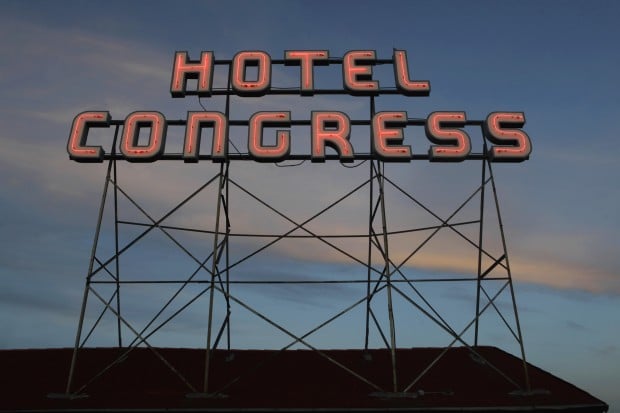
The iconic Hotel Congress sign towers above the streets below.
Tucson's neon signs
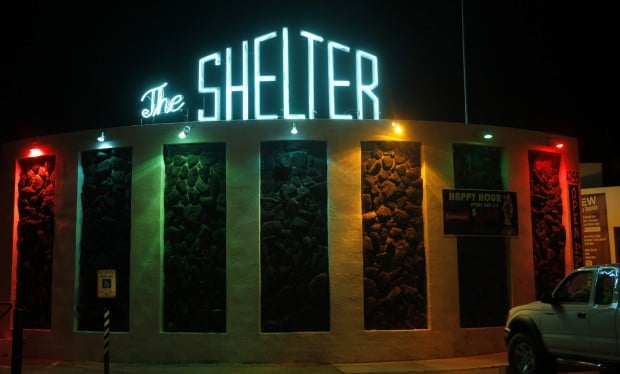
The Shelter Cocktail Lounge neon sign at 4155 E. Grant Road.
Tucson's neon signs
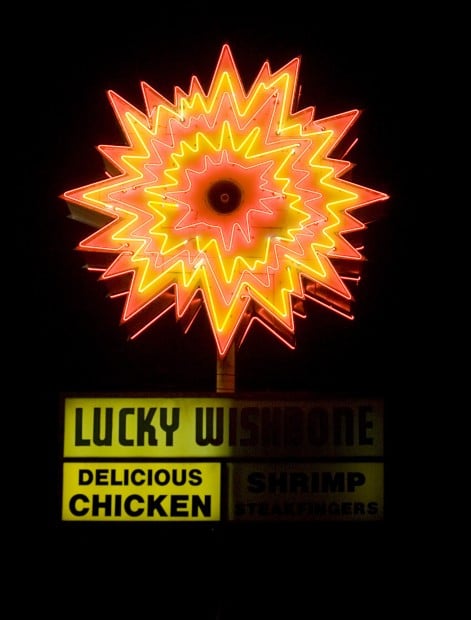
Lucky Wishbone sign at 10 N. Swan Road.
Tucson's neon signs
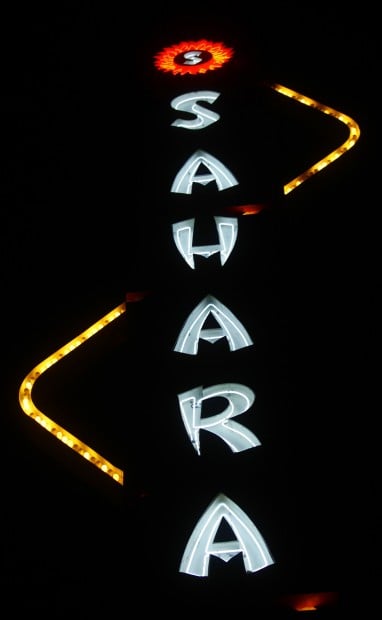
The neon Sahara sign at 919 N. Stone.
Kingfisher
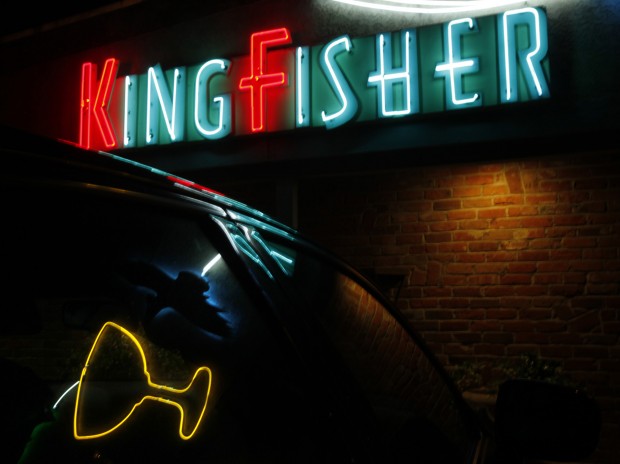
Tucson's neon signs
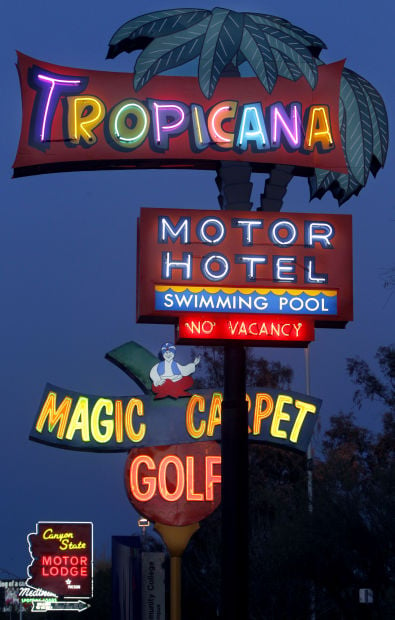
The Tropicana Motor Hotel sign was restored and then re-lit on April 27, 2012.
Tucson's neon signs
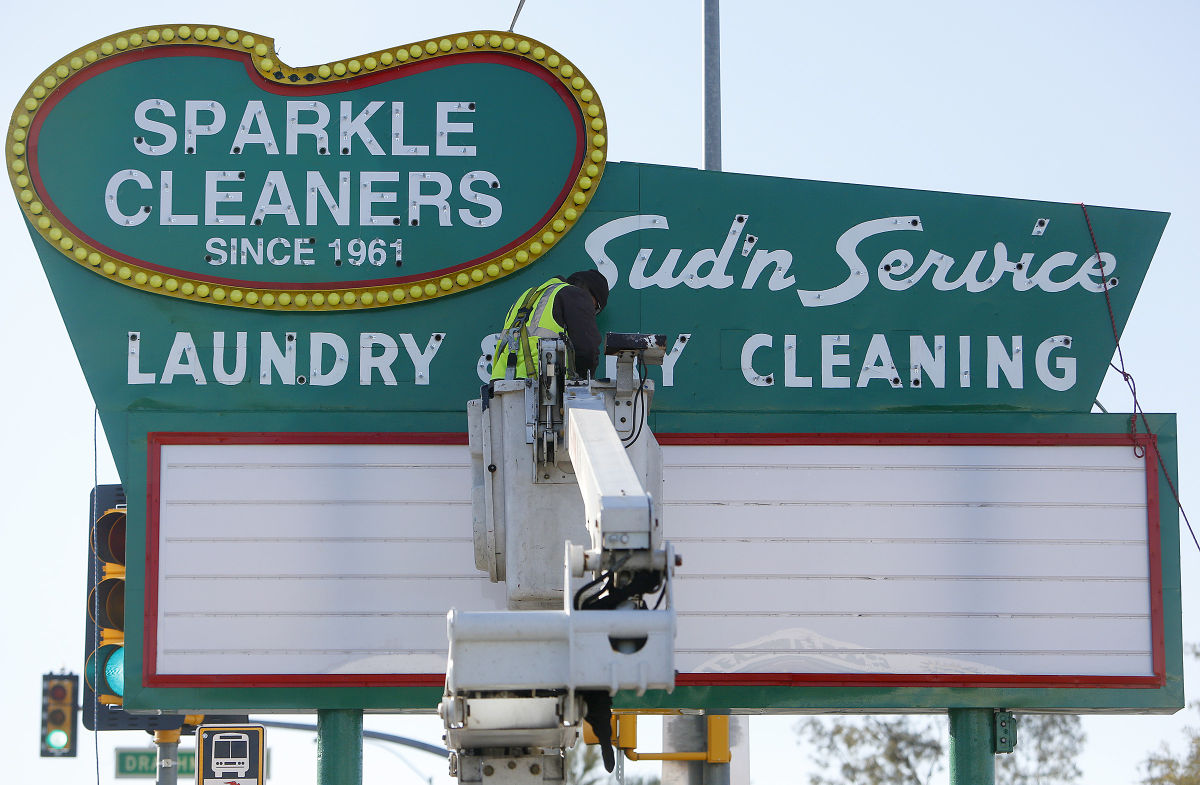
Tobyn Martinez, co-owner of Sign Magic Inc., works to connect wires in the refurbished Sparkle Cleaners historic at the corner of Stone Avenue and Drachman Street. Five workers from Sign Magic worked on the original 1961 neon sign. The sign has been put up through the Tucson Historical Preservation Historic Landmark Signs program in that area. Friday January 11, 2013 Tucson, Arizona
Tucson's neon signs
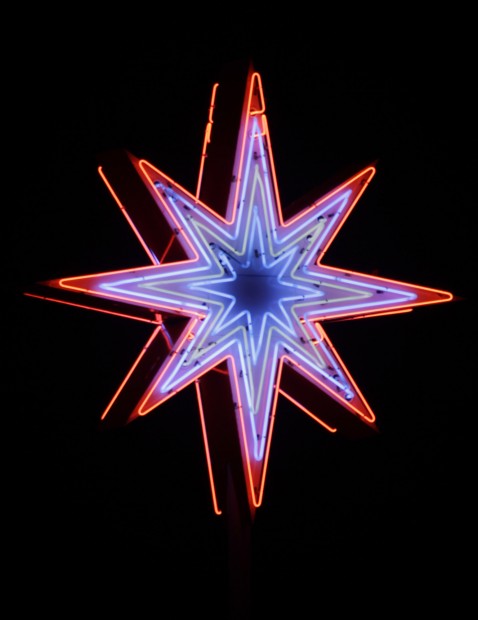
The neon star above the new Fatima Women's Center that is in working order.
Tucson's neon signs
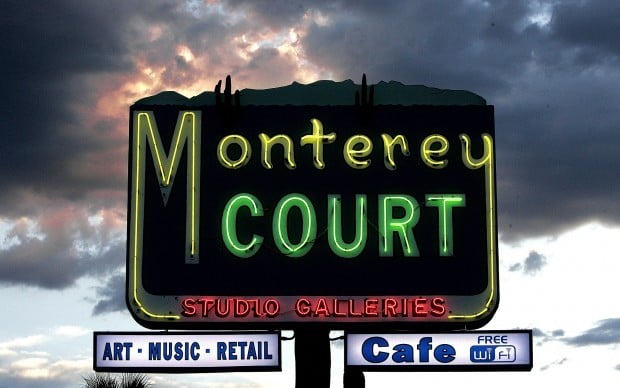
The restored Monterey Court sign, which once said, "Monterey Motel," before it was changed, also indicates its new focus on retail, the arts and a new cafe on West Miracle Mile.
Tucson's neon signs

As traffic winds around Congress Street a crowd gathers around the front of the Rialto Theatre moments after the new marquee was lit to mark the reopening of the Rialto in Downtown Tucson, June 24, 2005 in Tucson, AZ. The design and scale of the new Rialto Theatre Marquee was loosely based on the Paramount marquee that was erected in 1948 when the Theatre was owned by the Paramount-Publix corporation. In the early 70's it got a new blade sign and was reincarnated as the El Cine Plaza Spanish-language movie house. It was ultimately torn down in the mid 80's. The theatre would not be known by its original 1920 name until 1995 when it re-opened as the Rialto Theatre. Photo by Rich-Joseph Facun/Arizona Daily Star.
Tucson's neon signs
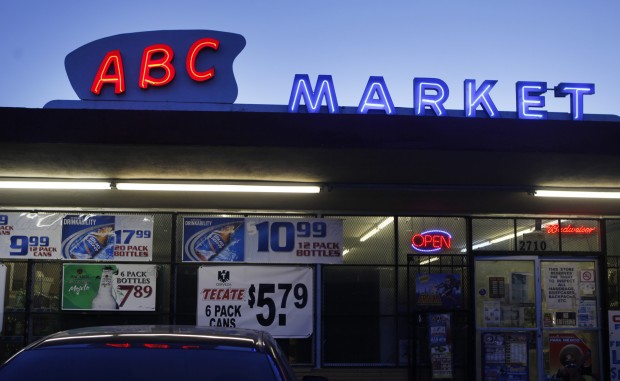
The ABC Market at 2710 South Park Ave.
Caruso's restaurant sign
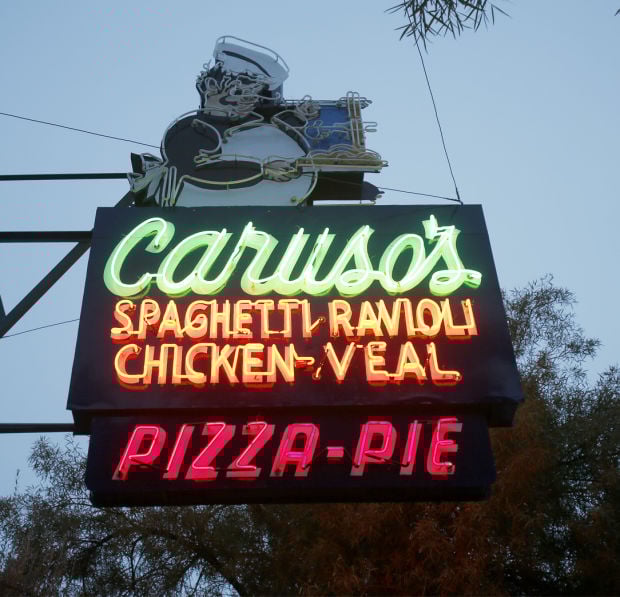
March 28, 2013 Tucson, Arizona
Tucson's neon signs
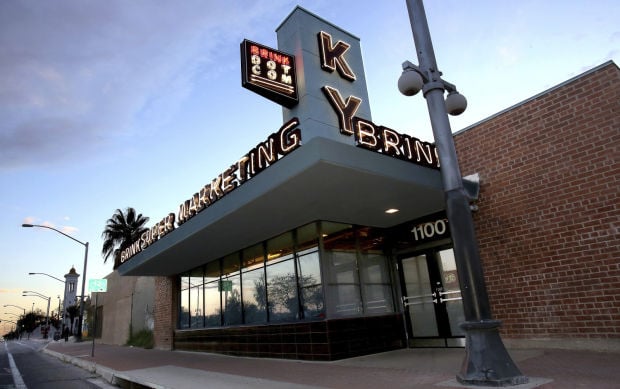
The former KY Market building at 1100 S. Sixth Ave. was designed by noted Tucson architect Terry Atkinson, who also drew up plans for Tucson International Airport. Amendments to Tucson’s sign code allowed adaptive reuse of the building’s historic neon signs.
Tucson's neon signs
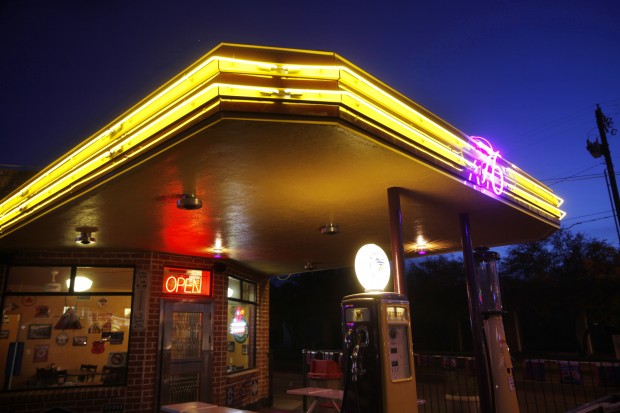
The T-6 filling station on the corner of 6th Street and Tucson Blvd at sunset.
Tucson's neon signs
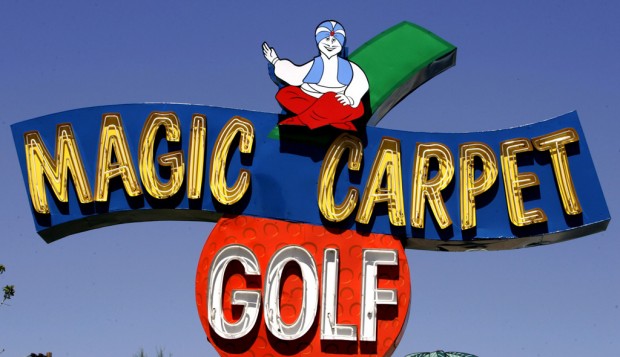
The restored Magic Carpet Golf sign now sits with other rehabbed signs on West Drachman Street near North Stone Avenue.
Tucson's neon signs

The Fox Theatre, 17 W. Congress St., dimmed in 1974 after the theater closed out its 44-year run, the sign came tumbling down, literally, in February 1986. A replica sign went up in June 2002, and 200 people turned up for the relighting. 5/10/07 PHOTO BY JAMES S. WOOD / ARIZONA
Tucson's neon signs
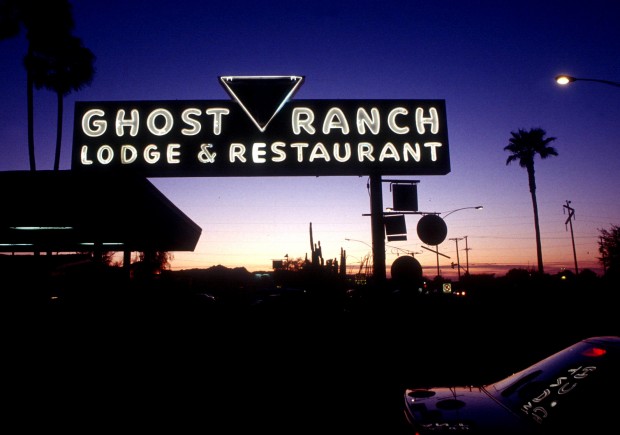
Ghost Ranch Lodge, 801 W. Miracle Mile. Opened in 1941, the lodge was one of the first tourist accommodations along Miracle Mile. Tucson architect Josias Joesler designed the original eight buildings in his signature Spanish Colonial Revival style. Now the lodge and cactus garden are being restored and converted into housing for the elderly. Georgia O’Keeffe had a hand in the design of the sign, which is undergoing repairs. This file shot of the Ghost Ranch Lodge & Restaurant is from the early 1990's but it was restored in 2010.
Tucson's neon signs
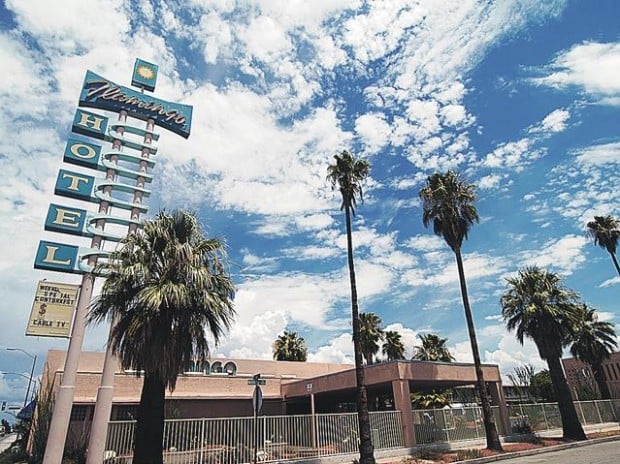
The Flamingo Hotel, 1300 N. Stone Ave., opened in 1954.