
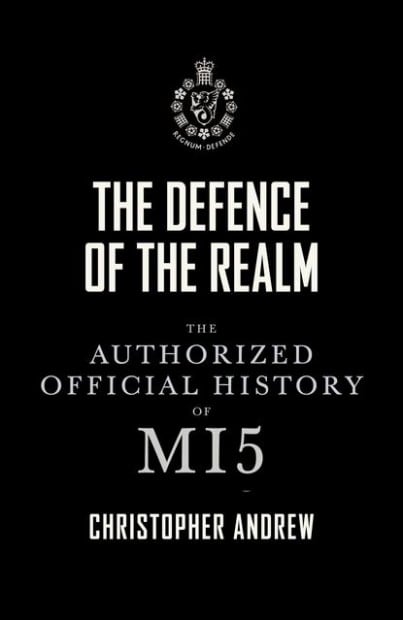
LONDON — A new book shows that Britain's domestic spy agency kept a secret file on former Prime Minister Harold Wilson — a leader who had Eastern European contacts and who had long believed MI5 was bugging him.
The file was kept not to undermine Wilson but to keep tabs on contacts deemed suspicious, according to "The Defence of the Realm," the first authorized account of MI5's history serialized in The Times on Saturday.
The book will be released next week to mark the centennial of MI5.
"Though MI5 was not . . . listening in to the prime minister and had never actively investigated him, it still had a file on him which recorded, inter alia, his past contacts with communists, KGB officers and other Russians," said author Christopher Andrew, who had full access to MI5's files.
Andrew rejects earlier claims made by former MI5 officer Peter Wright in his book "Spycatcher" that members of the service had conspired to force Wilson to stand down.
People are also reading…
Still, Wilson appears to have been the only serving prime minister to have had a permanent security service file, according to the book.
The dossier — first opened in 1945 and kept through Wilson's two terms as prime minister in the '60s and '70s — was opened out of concern for Wilson's contacts with Eastern European businessmen and a belief among British civil servants that Wilson may have been sympathetic to communist ideologies.
Known associates of Wilson's included Rudy Sternberg, who had amassed a fortune trading with the Soviet bloc and was later suspected of being a Soviet spy; Harry Kissin, a Wilson confidant with significant interests in East-West trade; and Lithuanian-born Joseph Kagan, whose company made the Gannex mackintosh rain jackets that became one of Wilson's trademarks.
Because of its unusual sensitivity, Wilson's file was kept under the pseudonym "Norman John Worthington." Later, MI5's head went to greater lengths to conceal the file's existence by instructing the card referring to the file be removed from the central registry index.
Wilson, who was an Oxford-educated economist, was first elected to Parliament in 1945 at the age of 29. At 31, he became one of Britain's youngest Cabinet ministers.