

TUCSÓN.- Han transcurrido casi 300 años desde que el padre jesuita Eusebio Francisco Kino predicaba acerca de la fe católica a la gente de esta región en el siglo 17.
Conforme los grupos trabajan con el fin de educar al público acerca del Padre Kino y promover su santidad para el 15 de marzo del 2011 — fecha que marca el aniversario 300 de su fallecimiento— La Sociedad de Jesús de la Provincia de California ha adoptado el asunto de migración y está trabajando con personas deportadas en Nogales, Sonora.
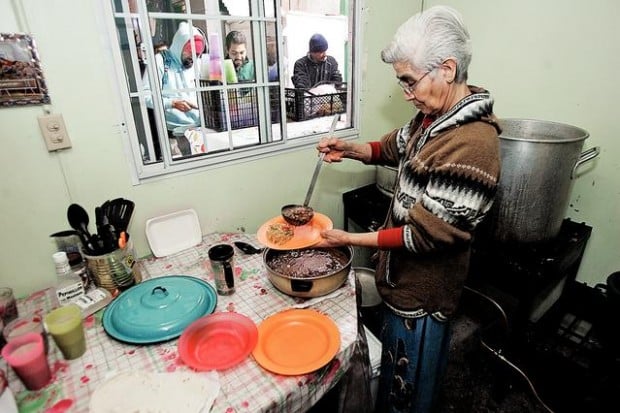
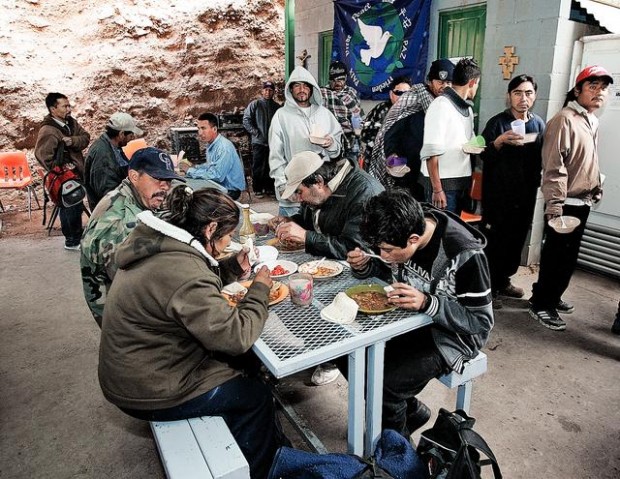
La organización administra un albergue que alimenta y proporciona ayuda médica a inmigrantes deportados desde Estados Unidos hacia Nogales, dijo el reverendo Sean Carroll, director ejecutivo de la Iniciativa Kino Border.
Carroll y el reverendo Peter Neeley, ambos pertenecientes a la Sociedad de Jesús de la Provincia de California, fueron asignados al ministerio, que es apoyado por una coalición de órdenes religiosas, grupos de servicio social y diócesis católicas.
People are also reading…
El presupuesto anual del ministerio fronterizo no fue revelado por Carroll.
El albergue tiene como personal a cuatro jesuitas, a tres Hermanas Misioneras de la Eucaristía, así como voluntarios, comentó Carroll.
La iniciativa es un esfuerzo binacional para trabajar con los inmigrantes y estudiar los efectos de la emigración e inmigración a lo largo de la frontera entre México y Estados Unidos, agregó Carroll.
También ayuda a apoyar a estudiantes residentes a venir a estudiar y escribir acerca del tema. Se ofrecerán talleres de migración a parroquias y a estudiantes de preparatoria y universidad en ambos lados de la frontera que regresen a sus comunidades a compartir lo que hayan aprendido, continuó Carroll.
El albergue, Aid Center for Deported Migrants o Centro de Apoyo al Inmigrante Deportado, fue construido por la ciudad de Nogales, Sonora, y está ubicado a unos 500 metros al Sur del puerto de entrada Mariposa.
Un letrero que cuelga de una reja le informa al viajero acerca de dicho albergue. Un promedio de 200 inmigrantes deportados— en su mayoría varones — son alimentados y se les proporciona ayuda médica diariamente. La mayoría de los que procuran ayuda médica sufren de heridas en los pies y las piernas debido a las prolongadas caminatas en el desierto.
Las aprensiones en el Sector Tucsón de la Patrulla Fronteriza han declinado un 19 porciento comparado con los dos últimos años fiscales, de 392 mil en el 2006 a 318 mil en el 2008, según la agencia federal.
"El lugar puede albergar a 72 personas a la vez y permitimos que la gente venga a comer por un máximo de 15 días hasta que decidan cuál será su próximo paso", explicó Carroll.
Algunas personas deciden regresar a sus casas en México, algunas deciden permanecer en Nogales y otras deciden tratar de regresar a Estados Unidos, agregó Carroll.
"Estamos viendo a un número grande de personas que han vivido un tiempo considerable en Estados Unidos siendo deportadas", comentó Carroll. "Vienen a nuestras instalaciones en busca de apoyo".
Carroll dijo que los jesuitas eventualmente entrenarán y prepararán a voluntarios de Nogales para que asuman la operación del centro y lo manejen como un ministerio de la iglesia.
Los jesuitas fueron los primeros misioneros— siendo el padre Kino el más prominente — que vinieron montando a caballo y trajeron la fe cristiana a esta área, dijo el obispo Gerald F. Kicanas de la Diócesis Católica Romana de Tucsón.
"Es una bendición que más jesuitas estén viniendo a nuestra diócesis y que tengan la tarea de enseñar a la gente acerca de los retos de la frontera, y ayudar a aquellos que han sido deportados y que no están seguros hacia a dónde voltear", opinó Kicanas.
La orden jesuita provee el grueso del financiamiento del albergue y el trabajo ministerial, según informó Kicanas. Con el tiempo, otros grupos religiosos que respaldan este esfuerzo, incluyendo la Diócesis de Tucsón, darán apoyo monetario conforme se haga disponible, indicó Kicanas.
Comentó que la diócesis está apoyando en obtener subsidios, así como apoyo de grupos externos para el ministerio fronterizo.
"La inmigración es un fenómeno mundial y esperamos que la gente joven en todo Estados dos y otros lugares quieran venir a ver como nosotros experimentamos la migración" finalizó Kicanas.
Nearly 300 years have passed since 17th-century Jesuit Padre Eusebio Francisco Kino preached about the Catholic faith to people of this region.
As groups work to educate the public about Kino and promote his sainthood by March 15, 2011 — marking the 300th anniversary of his death — the California Province of the Society of Jesus has taken up the issue of immigration and is working with deported people in Nogales, Sonora.
It is running a shelter that feeds and gives medical aid to migrants deported from the United States into Nogales, said the Rev. Sean Carroll, executive director of the Kino Border Initiative.
Carroll and Rev. Peter Neeley, both of the California Province of the Society of Jesus, are assigned to the ministry, which is supported by a coalition of religious orders, social service groups and Catholic dioceses.
The border ministry's annual budget was not released by Carroll.
The shelter is staffed by four Jesuits, three Missionary Sisters of the Eucharist and volunteers, Carroll said.
The initiative is a binational effort to work with migrants, and to study the effects of migration and immigration along the U.S.-México border, said Carroll. The Jesuits are housed in Nogales, Ariz.
The ministry also will support scholars in residence to come study and write on the subject. Immigration workshops will be offered to parishes, university and high school students on both sides of the border who then will return to their communities to share what they have learned, Carroll said.
The shelter, Aid Center for Deported Migrants or Centro de Apoyo al Migrante Deportado, was built by the city of Nogales, Sonora and is located about 500 yards south of the Mariposa port of entry.
A sign is hung on a fence that lets the traveler know about the shelter. An average of 200 deported migrants — mostly men — are fed and given medical aid daily. Most of those who seek medical aid suffer from foot and leg injuries from prolonged walking in the desert.
Apprehensions in the Border Patrol's Tucson Sector — the busiest on the southwest border — have dropped 19 percent over the past two completed fiscal years to nearly 318,000 in fiscal 2008 from 392,000 in fiscal 2006, agency figures show.
"The facility can accommodate up to 72 people at one time, and we allow people to come and eat at the shelter for up to 15 days until they decide what their next step will be," said Carroll.
Some people decide to return to their home in México, some decide to stay in Nogales and others decide to try and return to the United States, Carroll said.
"We are seeing quite a number of people being deported who have lived in the United States for a long period of time," Carroll said. "They are coming to our facility looking for support."
Carroll said the Jesuits eventually will train and prepare volunteers of Nogales to take over the center and operate it as a ministry of the church.
The Jesuits were the early missionaries — Kino being the most prominent — who came by horseback and brought Christian faith to this area, said Bishop Gerald F. Kicanas of the Roman Catholic Diocese of Tucson.
"It is a blessing that more Jesuits are coming to our diocese and they have the task to educate people about the challenges of the border, and help those who are deported and who are not sure where to turn," Kicanas said.
The Jesuit order is providing the bulk of the funding for the shelter and ministry work, said Kicanas. In time, the other religious groups backing this effort, including the Diocese of Tucson, will give monetary support as it becomes available, Kicanas said.
He said the diocese is assisting in obtaining grants and support from outside services for the border ministry.
"Immigration is a worldwide phenomenon and we hope young people from all over the United States and elsewhere will want to come and look at immigration as we experience it," said Kicanas.
3/4 Al final de tres años de desarrollo, la Iniciativa Kino Border fue inaugurada en enero. Se trata de un ministerio católico coordinado por los jesuitas que proporciona comida y servicios médicos a personas indocumentadas que han sido deportadas a Nogales, Sonora.
3/4 El esfuerzo binacional también permite a eruditos venir a estudiar e investigar acerca de migración y asuntos migratorios en ambos lados de Nogales y escribir acerca de tales asuntos.
3/4 La Iniciativa Kino Border es una colaboración entre la Arquidiócesis Católica Romana de Hermosillo, la Diócesis Católica Romana de Tucsón, Las Hermanas Misioneras de la Eucaristía, La Sociedad de Jesús de la Provincia de California, La Sociedad de Jesús de México, El Servicio Jesuita de Migración en México y el Servicio Jesuita de Refugiados en Estados Unidos.
3/4 After three years in development, the Kino Border Initiative was inaugurated in January. It is a Catholic ministry anchored by the Jesuits that is providing food and medical services to undocumented people deported into Nogales, Sonora.
3/4 The binational effort also allows scholars to come study and collect research on migration and immigration issues on both sides of Nogales and write about it.
3/4 The Kino Border Initiative is a collaboration between the Roman Catholic Archdiocese of Hermosillo, Roman Catholic Diocese of Tucson, Missionary Sisters of the Eucharist, California Province of the Society of Jesus, México Province of the Society of Jesus, Jesuit Migration Service in México and Jesuit Refugee Service in the United States.


