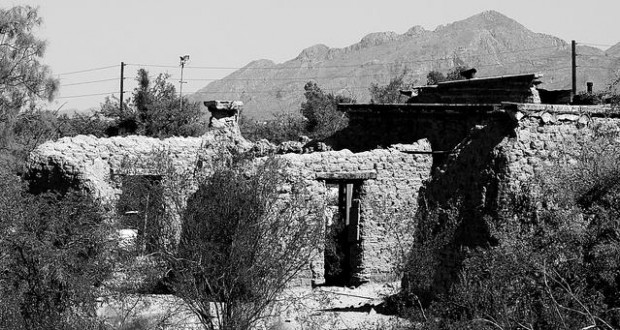
March of history at Ft. Lowell
● August 1866: Camp Lowell is established in what is now Downtown Tucson.
● March 1873: Camp Lowell moves to its new location northeast of Tucson on the Rillito River. The move is prompted by deteriorating living conditions - and the need to move the soldiers away from the temptations in town, where they are getting drunk and acquiring venereal diseases.
● 1879: Camp Lowell's designation is changed to Fort Lowell.
● 1886: The capture of Geronimo ends the threat of the Apaches and the need for troops near Tucson.
● Feb. 14, 1891: The last of the soldiers leave Fort Lowell for Fort Wingate, N.M. The Tucson fort is transferred to the Interior Department and property is sold at public auction.
People are also reading…
● 1900: A small Mexican settlement has grown among the abandoned buildings, and the area is known as El Fuerte.
● Nov. 11, 1963: The restored commanding officer's quarters are dedicated. The building now houses the Fort Lowell Museum.
● Sept. 7, 1976: The Pima County Board of Supervisors designates the area north of the park and the park itself, a total of 126 acres, as a historic district.
● Dec. 13, 1978: The nomination for the area surrounding Fort Lowell Park for inclusion in the National Register of Historic Places is approved. The majority of the Pima County historic district is included under the designation "Fort Lowell Multiple Resource Area."
Star research by Johanna Eubank
A day in the life
● How the cavalry soldiers spent their time at Camp/Fort Lowell in the 1800s:
● Besides fighting or searching for Apaches, soldiers guarded depot stores, escorted wagon trains to other posts, hunted for game, maintained a post garden of fresh vegetables and performed general upkeep on the post. The officers held dinners, concerts and dances to which many Tucsonans were invited. Companies on the post organized baseball teams and competed with one another.
Star research by Johanna Eubank

 Lake Mead's drops raise prospect of unaffordable Hoover Dam electricity