

It is the perfect excuse to prolong the holidays.
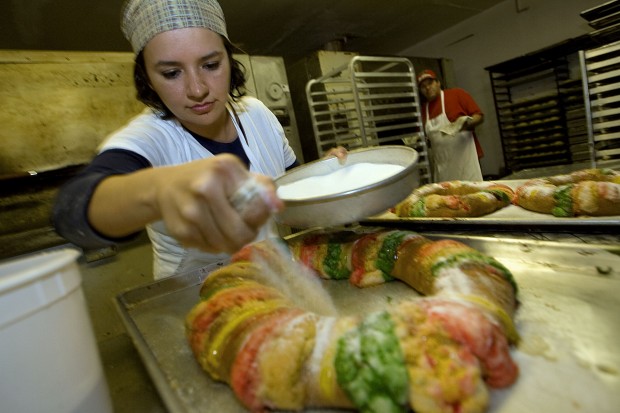
Every year on Jan. 6, Francisca Jasso, 36, buys a rosca de reyes - a ring cake decorated with fruit - to share with family and co-workers in celebration of Día de los Tres Reyes Magos or Day of Three Wise Men, a tradition her mother passed on.
"On Jan. 6 my mom, my kids and my siblings get together for the rosca, even if we have to do it after work," said Jasso, a medical assistant and mother of two.
Back in Hermosillo, Jasso's family used to celebrate with a rosca and hot chocolate the Feast Day of the Magi - the journey of the Three Wise Men, Melchior, Gaspar, and Balthasar and the bringing of gifts to adore the infant Jesus, according to the biblical story.
In Mexico and other countries in Latin America, as well as in Spain, that day is also when children receive most of their presents from the Reyes Magos, rather than from Santa Claus on Christmas.
People are also reading…
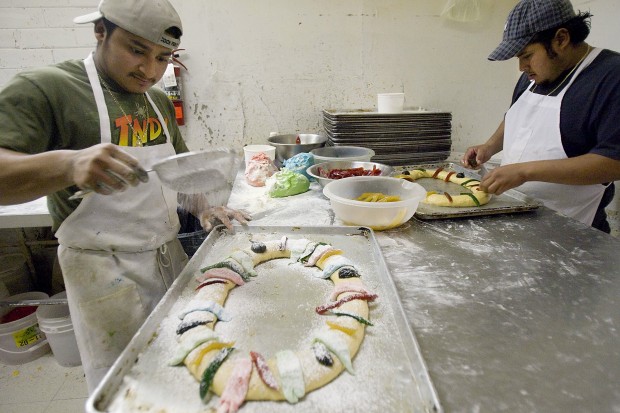
Since Jasso's family moved here, she's worked to preserve the celebration, a growing tradition that has local bakeries bustling to fill orders for the special ring cake.
The tradition's popularity is growing, not only among Hispanics, said Erica Franco, with La Estrella Bakery Inc., 5266 S. 12th Ave. About 30 percent of bakery's clients who buy roscas are Anglos, said Franco.
"The first time we sold roscas, 20 years ago, we probably took about 10 orders, and now we have about 300 people ordering prior to Jan. 6," she said. "We see new faces in the store, we can see there are many Anglos who are either Spanish-language professors or they teach Latin American studies, or people from the North who are now residents here."
Guillermo Vargas, from El Rio Bakery Inc., 901 N. Grande Ave., said because of the tradition's growing popularity, a lot of second-generation Mexicans are now interested in learning. But it's the Anglos who are growing a genuine interest in the tradition, he said.
"It's something new for them, so they come here and ask us to explain to them," said Griselda Vargas, Guillermo's wife.
For those like Blanca Garcia-Olave, who moved to Tucson 20 years ago from Mexico City, it's important not only to preserve the tradition but to pass it on to other groups.
Four years ago she and some friends started serving rosca de reyes at their homes and inviting Anglo friends to join and learn about the celebration.
"Before I used to bake my own rosca ... now you can even find them at Costco," she said. "I wanted my kids to grow up with my traditions."
Locally baked roscas de reyes are blander than in Mexico, the Vargases said. Here, bakeries use less fruit and sugar, otherwise people wouldn't buy them.
"We've had to stick with the Sonoran flavor, less sweet," said Guillermo.
In Tucson, bakeries started taking orders and selling roscas last Monday and prices are $10 to $22.
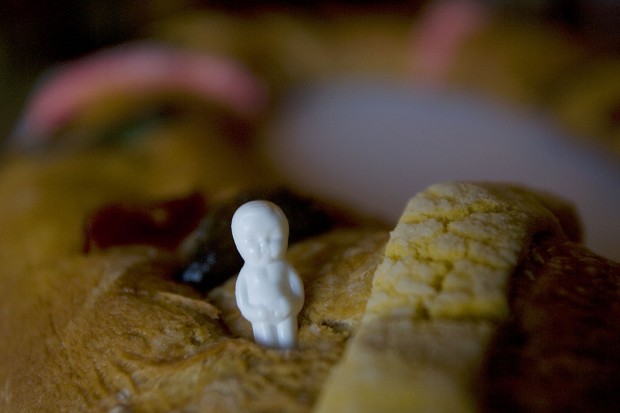
Each cake has small dolls tucked inside which represents the baby Jesus. The figure symbolizes the hiding of the infant from King Herod's troops.
According to the tradition, whoever finds the figure in their slice, must host a party on Feb. 2 - Candle Mass Day, which is the celebration of the presentation of the baby Jesus by Mary and Joseph in the temple.
The celebration is popular among Catholics and Eastern Christians such as Greek Orthodox and Russian Orthodox, said Rev. Raúl Trevizo, pastor at St. John the Evangelist Catholic Church.
On Saturday St. John's will celebrate with a procession and re-enactment of the Three Wise Men's journey.
The procession will conclude with a rosary and is open to the public. Children are encouraged to dress in nativity costumes such as Mary, Joseph, shepherds and angels. There will be refreshments, including the popular rosca de reyes.
For people like Jasso, preserving the tradition encourages families to gather.
"Traditions are very important because it's what keep families united," she said. "Nowadays, brothers and sisters don't get together that often, and things like this are a good excuse to reunite."
Contact reporter Mariana Alvarado at 573-4597 or malvarado@azstarnet.com


