
When Tucson Electric Power customers start lambasting the utility's proposed 14% rate increase to regulators this week, they'll have a radical reinterpretation of rates to lean on.
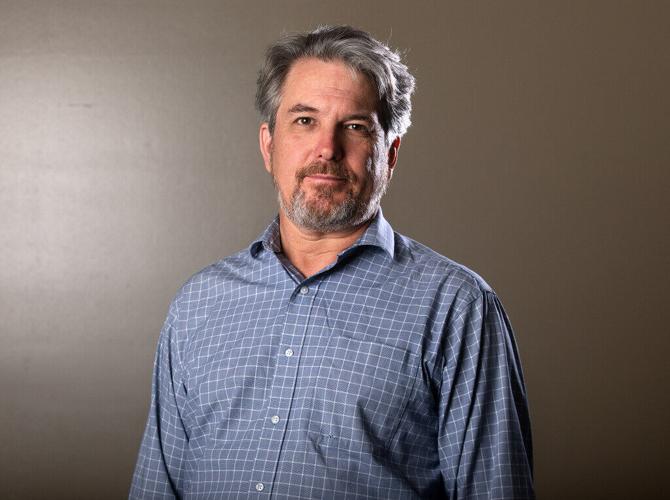
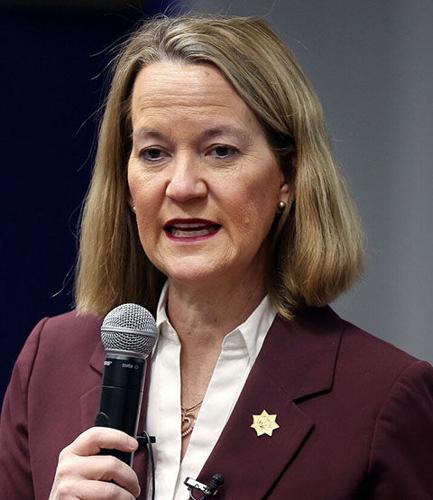
Arizona Attorney General Kris Mayes hired an expert Arizona hasn't heard from before as her office intervenes in two rate cases, TEP's and that of Arizona Public Service.
Arizona Daily Star columnist Tim Steller
Consultant Mark Ellis says, in essence, we've been paying these monopoly utilities way too much in profit. He proposes to slash the profit, known in utility lingo as a "rate of return," and therefore reduce the needed electric-rate increase. He proposes a rate increase of around 4%.
"My analysis shows that customers are being asked to pay more than is necessary, not to keep the lights on, but to deliver returns well above what investors actually require," Ellis says in a summary of his testimony.
People are also reading…
This will be a welcome argument for the customers who will begin having their say Thursday, as the Arizona Corporation Commission begins the comment period on the proposed rate increase. Thursday evening's telephonic hearing is the first of five opportunities for the public to comment before an administrative law judge on TEP's rate-increase proposal.
- Thursday, March 19, 5:30 p.m. to 8 p.m., telephonic only
- Monday, March 23, 10 a.m. to 12 p.m., in person and telephonic
- Wednesday, April 1, 5:30 to 8 p.m., in person and telephonic
- Tuesday, April 7, 5:30 p.m. to 8 p.m., telephonic only
- Wednesday, April 22, 10 a.m., in person and telephonic (start of hearing)
Go to the Arizona Corporation Commission's website and click on their calendar to find out how to access those events. April 22 is when TEP's hearing formally begins.
While many customers, and numerous other interests, will intervene on the rate case, as they do every time, Ellis' testimony is notable because of where it comes from and what it says. Mayes, who is a former elected member of the Corporation Commission, made the unusual decision of intervening separately in the rate cases on behalf of customers.

Arizona Attorney General Kris Mayes
It's unusual, in part, because the Residential Utility Consumer Office exists, paid for by a charge on utility customers' bills, to defend the interests of consumers. But over time the office, known as RUCO, has become known for nibbling around the edges of utilities' proposed rate increases, winning small concessions that don't add up to much savings on customers' bills.
She hired Ellis, a former chief economist at Sempra Energy in San Diego, who has been taking more of a sledgehammer approach to utilities around the country. Tucson Electric Power has a current rate of return of 9.5% and is proposing a 10.5% return in the current rate case. Ellis says it should be about 6%.
RUCO, on the other hand, recommended a rate of 9.0% to 9.2%.
The trick, Ellis says, is that utilities like TEP should have their profit restricted to the cost of capital. That is, the cost of borrowing money and attracting investors. It's way below 10%, he says.
"The returns that are being authorized are well above the market-based cost of capital," he said in an interview. "When the authorized rate of return exceeds the actual cost of capital, the difference does not improve reliability or service. Instead, it is an unnecessary wealth transfer from TEP customers to TEP shareholders."
His proposed resolution of the rate case would save customers about $148 million per year, he concluded — about $200 per customer per year.
TEP, which won a 10% rate increase in 2023, says its current proposal is justified by increased past costs. Unsurprisingly, the utility rejects Ellis' reasoning.
"Although he has made this same argument in other rate proceedings, this approach has not been adopted by a single regulatory commission anywhere in the United States," the company said in a statement. "The testimony asserts TEP’s cost of equity should be just over 6 percent — a figure far below what regulators across the country have found to be reasonable for electric utilities."
"When returns are set too low, investors have little motivation to make investments in riskier, long term electric infrastructure. That makes it more expensive and more difficult to build and maintain the grid."
It's likely the members of this corporation commission, who have been friendly to the utilities, will also cast a skeptical eye on Ellis' reasoning. They will hear the case after the administrative law judge finishes the upcoming hearing and makes a recommendation.
As Arizona consumer advocate Abhay Padgaonkar put it, "Right now the commission is completely captured. They’re on the utilities’ side."
"What Mark Ellis has done is take a completely different approach," he added. "He’s taking on their experts directly."
In the end, Ellis and the customers who offer their stories will probably have a hard time convincing this commission to do much more than strike a compromise that gives TEP most of what it wants. This is the usual approach our regulators have taken — risk-averse when it comes to challenging monopoly utilities' profits and defending customers.
But it's good that they're being forced to grapple with ideas that challenge their assumptions, assumptions that have long filled investors' pockets with captive customers' money.
Contact columnist Tim Steller at tsteller@tucson.com or 520-807-7789. On Bluesky: @timsteller.bsky.social

Tim Steller
Columnist


 Tim Steller's column: How author Rushdie, Tucson's murdered Muslim leader crossed paths