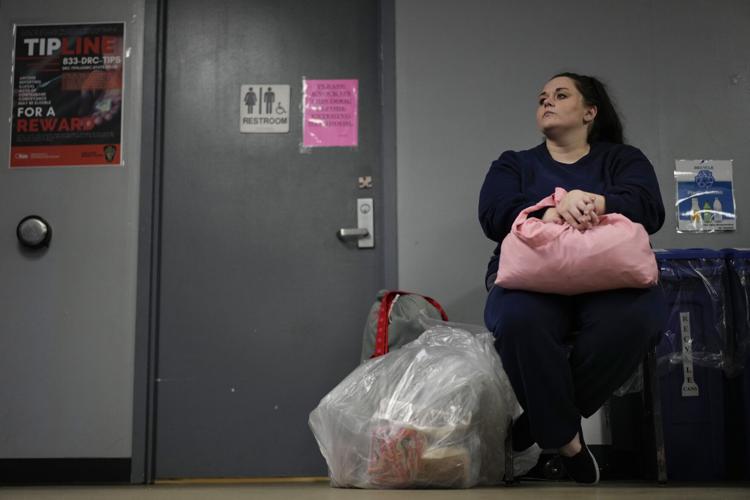
COLUMBUS, Ohio — On a cold and dreary October day, Heather C. Jarvis packed everything she had into a pink duffle and a plastic trash bag and waited for the rest of her life to begin.
Sitting in the lobby of the Ohio Reformatory for Women in Marysville, Ohio, she smiled anxiously as her longtime therapist told her she’d be fine, that she was ready for the outside world. She had checked all the boxes during her nearly 10 years behind bars — substance abuse treatment, professional development, even earning an associate’s degree — and had people intent on helping her.
“Sometimes, I’m just so scared that it’s not enough,” Jarvis, her voice breaking, said before her release.

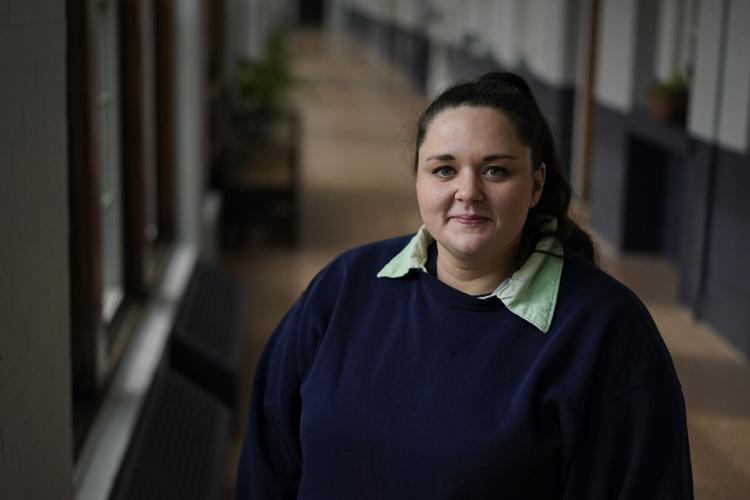
Heather Jarvis is photographed Oct. 19 at the Ohio Reformatory for Women in Marysville, Ohio.
Jarvis, 32, is part of the fastest-growing prison population in the country, one of more than 190,000 women held in some form of confinement in the United States as of this year. Their numbers grew by more than 500% between 1980 and 2021, more than twice the growth rate for men, according to a report by The Sentencing Project, a research and advocacy organization for incarcerated people.
People are also reading…
The sharp increase is partially due to the increased penalties and mandatory minimum sentences for drug possession and trafficking that many states have implemented over the past few decades. Approximately 25% of incarcerated women are in prison for drug-related crimes, compared to 12% of men, according to the 2023 report. Ohio — an epicenter of the opioid crisis — is among the states that experienced the most dramatic jump in female prisoners.

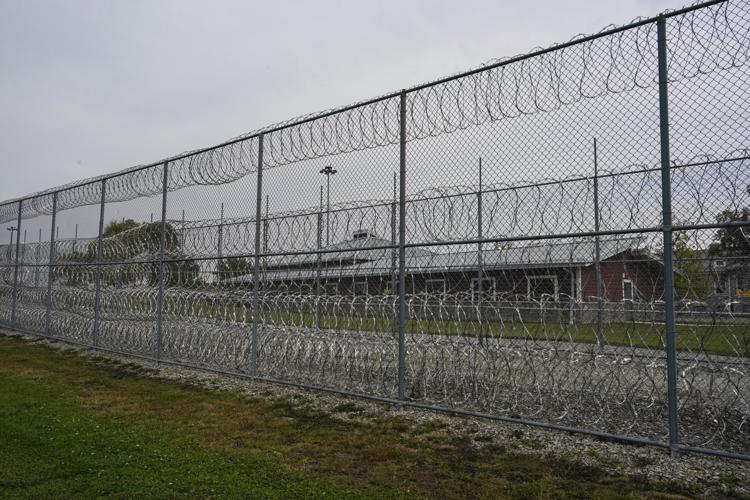
The Ohio Reformatory for Women is seen beyond a fence and razor wire Oct. 19 in Marysville, Ohio.
Programs aimed at helping women stay out of prison once they’re released have not grown at nearly the same pace, according to the National Institute of Justice.
“Women’s incarceration grew very rapidly in the early 2000s, but it took a good decade or so before the field really acknowledged the widening gap between available programs and services and the number of women who need them,” said Wendy Sawyer, research director at the Prison Policy Initiative, a research and advocacy nonprofit.
That makes the journey harder for women, who confront different challenges than their male counterparts. More than half, for example, are mothers to minor children, the group says.
“Women face all of the same barriers that men face in reentry — securing employment, housing, and transportation, and reestablishing family connections — but with an extra level of difficulty,” Sawyer said. “For example, housing … often forces women to choose between homelessness and returning to abusive situations, while in contrast, many men return to female supports: mothers, wives, girlfriends.”
There is also the issue of sexism.

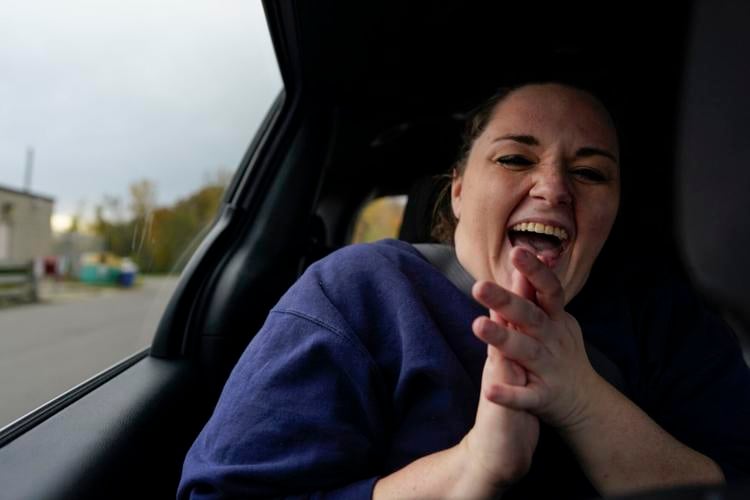
Heather Jarvis reacts in the back seat of a vehicle after being released Oct. 25 from Ohio Reformatory for Women in Marysville, Ohio.
“There is more stigma attached to a woman getting involved in a crime or using drugs than there is men,” remarked Linda Janes, chief operating officer of Alvis, a Columbus-based nonprofit that works with the Ohio Department of Rehabilitation and Corrections to provide reentry services, including housing and job assistance.
Jarvis is one of the lucky ones. In October, she was released into “transitional control” at Alvis, and she’s already found an apartment to live in after her time there is up. Columbus is far from her hometown of Parkersburg, West Virginia — a long way from the friends she did drugs with and the family members who overdosed or went to jail themselves while struggling with substance use disorder.
In 2015, Jarvis pleaded guilty to aggravated robbery and involuntary manslaughter after a friend was fatally shot by a man whom he tried to force to withdraw cash from an ATM. The man’s son owed Jarvis and her friend money — funds they needed to fuel their mutual drug addiction. In Ohio, someone can be charged with murder if their accomplice dies while committing or fleeing from a crime. Jarvis’ guilty plea reduced her charges.

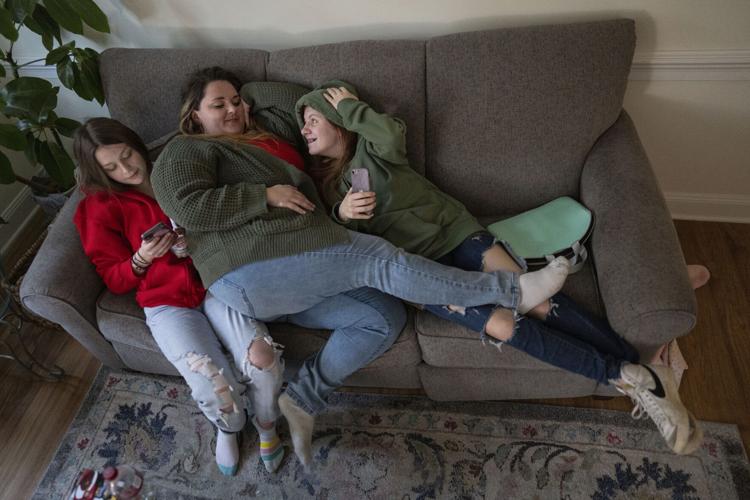
Heather Jarvis, center, spends the day with her daughter Adessa, 17, left, and niece Layla, 14, for a holiday party Dec. 21 in Columbus, Ohio.
Now, after serving her time, she is ready to start anew. She’s employed, attending The Ohio State University to get a degree in social work, and was recently granted full custody of the oldest of her two daughters, 17-year-old Adessa.
She is also still coming to grips with her new freedom and the daunting number of decisions she now has to make for herself.
“I remember how strange it felt to put clothes on and look at myself in the mirror,” she said, recalling the tears that flowed freely her first night in Alvis. “I sat there in front of it for a while trying to decide if I recognized myself.”
Her discomfort is echoed in life outside, where society is not necessarily embracing her with open arms. One day, she was forced to explain to a Verizon employee that she had no credit to buy a cellphone because she had been in prison for almost a decade. And just when she was about to start orientation for a job at an addiction treatment center in Columbus, her application was dropped. Even though she never directly harmed anyone herself, her record listed a violent felony, which disqualified her.

Heather Jarvis waits with her belongings for transportation after being processed for release Oct. 25 at the Ohio Reformatory for Women, in Marysville, Ohio. Jarvis is part of the fastest-growing prison population in the country, one of more than 190,000 women held in some form of confinement in the United States as of this year.
Jarvis has since gotten a job as a restaurant server. On April 20, she will finally be able to move full time into the two-bedroom apartment.
As the date of her full independence approaches like a fast-moving train filled with the cargo of her past and future life, she has trouble separating her anticipation from her anxiety.
“I’m proud I’m doing what I said I was going to do,” she finally says. “I am the person I thought I was, even on my bad days.”
Photos: Program eases toll of separation on incarcerated moms, kids

Nyia Pritchett, 27, types on her phone during a three-hour bus ride to Logan Correctional Center in downstate Illinois to visit her incarcerated mother Latonya Dextra, Saturday, May 20, 2023, in Illinois. Rare programs like the Reunification Ride, a donation-dependent initiative that buses prisoners' family members from Chicago to Illinois' largest women's prison every month so they can spend time with their mothers and grandmothers, are a crucial lifeline for families, prisoners say. (AP Photo/Erin Hooley)

Davi Stewart Roberts, 4-year-old, waits to go through security with his mother Jada Lesure, 23, to visit his grandmother Erika Ray at Logan Correctional Center, Saturday, May 20, 2023, in Lincoln, Illinois. Rare programs like the Reunification Ride, a donation-dependent initiative that buses prisoners' family members from Chicago to Illinois' largest women's prison every month so they can spend time with their mothers and grandmothers, are a crucial lifeline for families, prisoners say. (AP Photo/Erin Hooley)

Carrying the belongings of her five grandchildren, Raquel Ayala boards a bus for a three-hour journey to Logan Correctional Center in downstate Illinois to visit her incarcerated daughter Crystal Martinez, the children's mother, Saturday, May 20, 2023, in Chicago. Rare programs like the Reunification Ride, a donation-dependent initiative that buses prisoners' family members from Chicago to Illinois' largest women's prison every month so they can spend time with their mothers and grandmothers, are a crucial lifeline for families, prisoners say. (AP Photo/Erin Hooley)

Latonya Dextra, right, greets her 27-year-old daughter Nyia Pritchett during a special visit at Logan Correctional Center, Saturday, May 20, 2023, in Lincoln, Illinois. Pritchett hadn't seen her mother for three years. Rare programs like the Reunification Ride, a donation-dependent initiative that buses prisoners' family members from Chicago to Illinois' largest women's prison every month so they can spend time with their mothers and grandmothers, are a crucial lifeline for families, prisoners say. (AP Photo/Erin Hooley)

Along with her five grandchildren, Raquel Ayala travels on three-hour bus ride to Logan Correctional Center in downstate Illinois to visit her incarcerated daughter Crystal Martinez, the children's mother, Saturday, May 20, 2023, in Illinois. Rare programs like the Reunification Ride, a donation-dependent initiative that buses prisoners' family members from Chicago to Illinois' largest women's prison every month so they can spend time with their mothers and grandmothers, are a crucial lifeline for families, prisoners say. (AP Photo/Erin Hooley)

Nevaeh Martinez, 3-year-old, has "free mommy" painted on her fingernails as she and her four younger siblings visit their mother Crystal Martinez at Logan Correctional Center, Saturday, May 20, 2023, in Lincoln, Illinois. Rare programs like the Reunification Ride, a donation-dependent initiative that buses prisoners' family members from Chicago to Illinois' largest women's prison every month so they can spend time with their mothers and grandmothers, are a crucial lifeline for families, prisoners say. (AP Photo/Erin Hooley)

Myla Martinez, 6-year-old, enthusiastically greets her mother Crystal Martinez as she and her four younger siblings spend time her with her during a special visit at Logan Correctional Center, Saturday, May 20, 2023, in Lincoln, Illinois. Rare programs like the Reunification Ride, a donation-dependent initiative that buses prisoners' family members from Chicago to Illinois' largest women's prison every month so they can spend time with their mothers and grandmothers, are a crucial lifeline for families, prisoners say. (AP Photo/Erin Hooley)

Jada Lesure, 23, ties the shoes of her 4-year-old son Davi Stewart Roberts as they arrive at Logan Correctional Center to visit her mother Erika Ray, his grandmother, Saturday, May 20, 2023, in Lincoln, Illinois. Rare programs like the Reunification Ride, a donation-dependent initiative that buses prisoners' family members from Chicago to Illinois' largest women's prison every month so they can spend time with their mothers and grandmothers, are a crucial lifeline for families, prisoners say. (AP Photo/Erin Hooley)

Erika Ray hugs her 4-year-old grandson Davi Stewart Roberts during a special visit with him and her daughter Jada Lesure, 23, right, at Logan Correctional Center, Saturday, May 20, 2023, in Lincoln, Illinois. Rare programs like the Reunification Ride, a donation-dependent initiative that buses prisoners' family members from Chicago to Illinois' largest women's prison every month so they can spend time with their mothers and grandmothers, are a crucial lifeline for families, prisoners say. (AP Photo/Erin Hooley)

Accompanied by their grandmother Raquel Ayala and three other siblings, Jaliyah Santiago, 4, left, and her sister Myla Martinez, 6, color as they ride a bus on a three-hour journey to Logan Correctional Center in downstate Illinois to their incarcerated mother Crystal Martinez, Saturday, May 20, 2023, in Illinois. Rare programs like the Reunification Ride, a donation-dependent initiative that buses prisoners' family members from Chicago to Illinois' largest women's prison every month so they can spend time with their mothers and grandmothers, are a crucial lifeline for families, prisoners say. (AP Photo/Erin Hooley)

Crystal Martinez, center, plays Uno with three of her five children, Nevaeh Martinez, 13, top left, Jayceon Santiago, 5, bottom left, and Reggie Johnson, 10, right, during a special visit at Logan Correctional Center, Saturday, May 20, 2023, in Lincoln, Illinois. Rare programs like the Reunification Ride, a donation-dependent initiative that buses prisoners' family members from Chicago to Illinois' largest women's prison every month so they can spend time with their mothers and grandmothers, are a crucial lifeline for families, prisoners say. (AP Photo/Erin Hooley)

Jada Lesure, 23, holds her 4-year-old son Davi Stewart Roberts, 4, during a three-hour bus ride to Logan Correctional Center in downstate Illinois to visit her incarcerated mother Erika Ray, his grandmother, Saturday, May 20, 2023, in Illinois. Rare programs like the Reunification Ride, a donation-dependent initiative that buses prisoners' family members from Chicago to Illinois' largest women's prison every month so they can spend time with their mothers and grandmothers, are a crucial lifeline for families, prisoners say. (AP Photo/Erin Hooley)

Joshlyn Allen kisses her 3-year-old daughter Journey Miller during a special visit at Logan Correctional Center, Saturday, May 20, 2023, in Lincoln, Illinois. Rare programs like the Reunification Ride, a donation-dependent initiative that buses prisoners' family members from Chicago to Illinois' largest women's prison every month so they can spend time with their mothers and grandmothers, are a crucial lifeline for families, prisoners say. (AP Photo/Erin Hooley)

Erika Ray comforts her daughter Jada Lesure, 23, during a special visit with her and her 4-year-old grandson at Logan Correctional Center, Saturday, May 20, 2023, in Lincoln, Illinois. Rare programs like the Reunification Ride, a donation-dependent initiative that buses prisoners' family members from Chicago to Illinois' largest women's prison every month so they can spend time with their mothers and grandmothers, are a crucial lifeline for families, prisoners say. (AP Photo/Erin Hooley)

Raquel Ayala signs a handprint of paint for her daughter Crystal Martinez during a special visit at Logan Correctional Center, Saturday, May 20, 2023, in Lincoln, Illinois. Rare programs like the Reunification Ride, a donation-dependent initiative that buses prisoners' family members from Chicago to Illinois' largest women's prison every month so they can spend time with their mothers and grandmothers, are a crucial lifeline for families, prisoners say. (AP Photo/Erin Hooley)

Latonya Dextra braids the hair of her 27-year-old daughter Nyia Pritchett during a special visit at Logan Correctional Center, Saturday, May 20, 2023, in Lincoln, Illinois. Pritchett hadn't seen her mother for three years. Rare programs like the Reunification Ride, a donation-dependent initiative that buses prisoners' family members from Chicago to Illinois' largest women's prison every month so they can spend time with their mothers and grandmothers, are a crucial lifeline for families, prisoners say. (AP Photo/Erin Hooley)

Nevaeh Martinez, 13 years old, wears a lipstick kiss from her mother Crystal Martinez as she and her four younger siblings spend time her with her during a special visit at Logan Correctional Center, Saturday, May 20, 2023, in Lincoln, Illinois. Rare programs like the Reunification Ride, a donation-dependent initiative that buses prisoners' family members from Chicago to Illinois' largest women's prison every month so they can spend time with their mothers and grandmothers, are a crucial lifeline for families, prisoners say. (AP Photo/Erin Hooley)

Pictures of Crystal Martinez and her family are displayed during a special visit at Logan Correctional Center, Saturday, May 20, 2023, in Lincoln, Illinois. Rare programs like the Reunification Ride, a donation-dependent initiative that buses prisoners' family members from Chicago to Illinois' largest women's prison every month so they can spend time with their mothers and grandmothers, are a crucial lifeline for families, prisoners say. (AP Photo/Erin Hooley)

Myla Martinez, 6, left, and her sister Jaliyah Santiago, 4, pass by a guard tower as they leave Logan Correctional Center after visiting their mother Crystal Martinez, Saturday, May 20, 2023, in Lincoln, Illinois. Rare programs like the Reunification Ride, a donation-dependent initiative that buses prisoners' family members from Chicago to Illinois' largest women's prison every month so they can spend time with their mothers and grandmothers, are a crucial lifeline for families, prisoners say. (AP Photo/Erin Hooley)

Latonya Dextra, left, comforts her emotional 27-year-old daughter Nyia Pritchett during a special visit at Logan Correctional Center, Saturday, May 20, 2023, in Lincoln, Illinois. Pritchett hadn't seen her mother for three years. Rare programs like the Reunification Ride, a donation-dependent initiative that buses prisoners' family members from Chicago to Illinois' largest women's prison every month so they can spend time with their mothers and grandmothers, are a crucial lifeline for families, prisoners say. (AP Photo/Erin Hooley)

Crystal Martinez, center, is embraced by her five children, clockwise from top left, Nevaeh Martinez, 13, Jayceon Santiago, 5, Reggie Johnson, 10, Jaliyah Santiago, 4, and Myla Martinez, 6, as they prepare to leave her at Logan Correctional Center, Saturday, May 20, 2023, in Lincoln, Illinois. Rare programs like the Reunification Ride, a donation-dependent initiative that buses prisoners' family members from Chicago to Illinois' largest women's prison every month so they can spend time with their mothers and grandmothers, are a crucial lifeline for families, prisoners say. (AP Photo/Erin Hooley)