

They’re not lovin’ it.
McDonald’s is facing a proposed class-action lawsuit focused on the authenticity of its McRib sandwich and what it’s made of.
The complaint, filed in the U.S. District Court for the Northern District of Illinois on Dec. 23, claims that McDonald’s deceptively markets the McRib to specifically contain meat from pork ribs through its name, branding and appearance.
For those uninitiated, the McRib is sort of a big deal. It’s a fan favorite sandwich with “limited edition” status within McDonald’s. Its availability varies based on timing and location. It debuted on McDonald’s menus in 1981, and when the chain announced its discontinuation in 2005, there was a lengthy “farewell tour.”
In the years since, the sandwich continues to make celebrated annual returns, heightened with the help of social media. There are dedicated unofficial McRib fan accounts and trackers.
People are also reading…
And now, the famed sandwich’s integrity is being scrutinized.
Here’s what we know so far.
What exactly is the McRib?
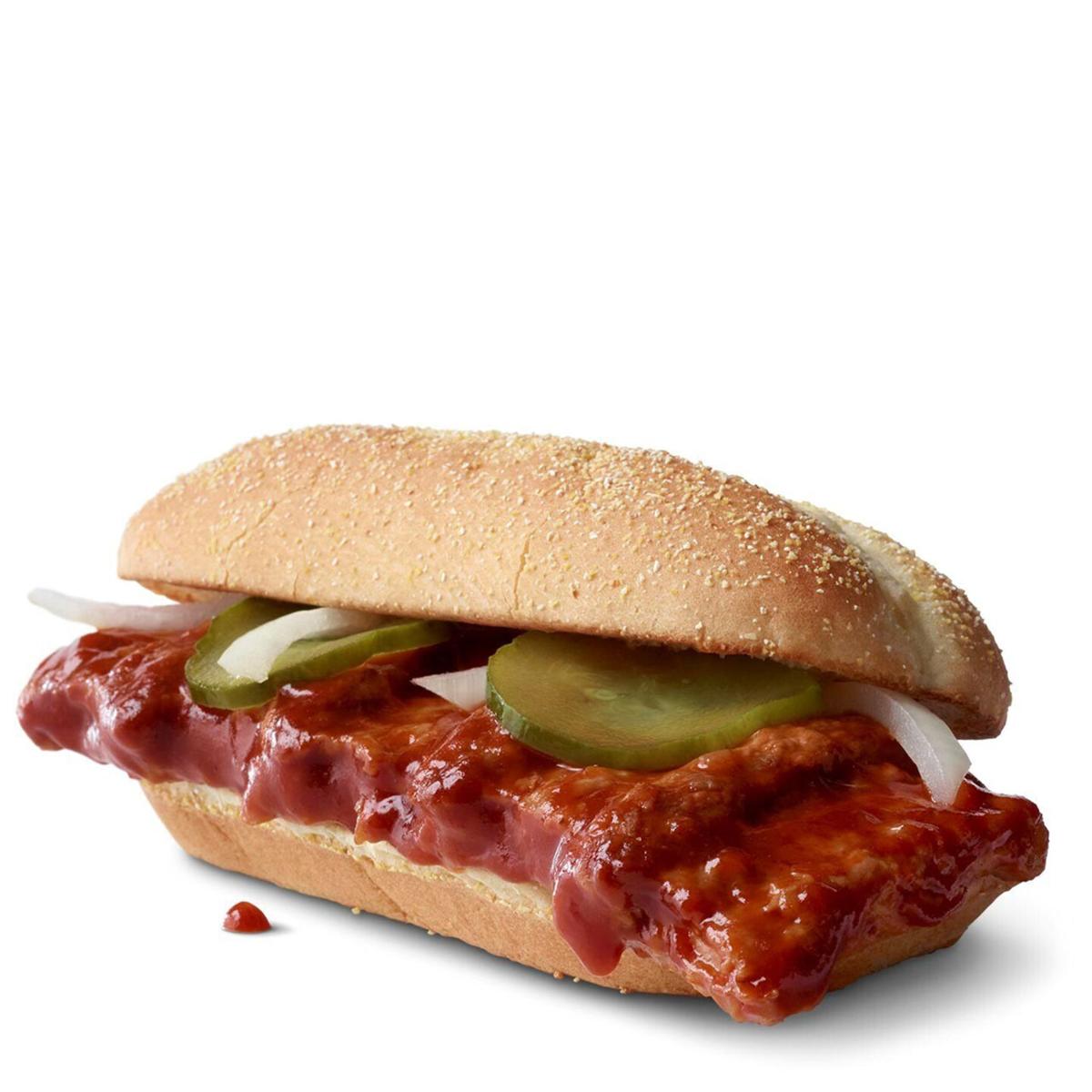
McDonald’s describes the McRib as seasoned boneless pork dipped in barbecue sauce and topped with onions and pickles on a toasted bun.
Is the McRib available now?
The McRib returned to some McDonald’s menus in November and seems to still be available, but only at certain locations.
According to the fan-led McRib Tracker, only a handful of states are serving up McRibs right now.
What does the proposed lawsuit say?
The proposed class-action suit says the McRib’s name, pricing and appearance — a rib-shaped patty on a bun — misleads consumers to believe they’re purchasing a premium pork rib product.
The complaint says the patty is made of “restructured” pork using lower-quality cuts of meat, including shoulder, heart, stomach and tripe instead of rib meat. McDonald’s has denied those claims.
The plaintiffs said they believed the McRib to be made of rib meat before purchasing, and that marketing the McRib as a “limited-time” item creates a sense of urgency, discouraging consumers from investigating its ingredients.
The suit seeks class-action status on behalf of U.S. consumers who bought the McRib in recent years and is seeking damages, restitution and a remedy to prevent future “deceptive marketing.”
What are McRibs made of?
McDonald’s McRib features what the company calls a “McRib Pork Patty,” which is shaped like a rack of ribs.
According to its website, the boneless patty is made of pork, water, salt, dextrose and rosemary extract.
McRib supporters say the sandwich has always been marketed as a boneless, snackable take on ribs, sans messy bones. To this day, there are no rib bones involved, and McDonald’s doesn’t pretend there are.
“Primarily, it’s shoulder meat,” Rob Cannell, then-director of McDonald’s U.S. supply chain, said in a 2009 article in Maxim.
He added, “The pork meat is chopped up, then seasoned, then formed into that shape that looks like a rib back. Then we flash-freeze it. The whole process from fresh pork to frozen McRib takes about 45 minutes.”
Has McDonald’s responded to the lawsuit?
In a statement, McDonald’s said the lawsuit “distorts the facts and many of the claims are inaccurate.”
“We’ve always been transparent about our ingredients so guests can make the right choice for them,” the company said.
The statement did not go into detail regarding the plaintiffs’ claims that the McRib’s marketing as “limited edition” plays into its price point.
Has something like this happened before?
Over the years, there have been several instances of lawsuits and disputes surrounding how popular foods are marketed or made.
In 2023, a judge dismissed a lawsuit that claimed that Subway’s tuna sandwiches didn’t use real tuna, or contained less tuna than advertised. Subway denied those claims. The plaintiff and Subway came to an undisclosed agreement.
Last year, consumers filed multiple class-action suits claiming that the amount of steak in Subway's cheesesteaks was falsely advertised.
And, in 2014, the pomegranate juice company Pom sued Coca-Cola over its Minute Maid pomegranate blueberry juice. Pom claimed the Minute Maid juice was mostly apple and grape juice despite its branding. A jury eventually ruled for Coca-Cola.
In another 2014 case, Unilever sued vegan mayo company Hampton Creek for calling its spread “Just Mayo” despite it being plant-based and lacking eggs. The case led to new regulations regarding how foods can be branded and if terms like "milk" or "mayo" can be used without key animal byproducts.
What happens next?
A court will need to determine if the lawsuit qualifies as a class action that represents U.S. consumers who purchased the McRib.
From there, McDonald’s could file a motion to dismiss the suit, or the parties could settle along the way. If the case proceeds, a judge may have to decide the scope of a “reasonable consumer” and their expectations when it comes to rib-shaped pork sandwiches.


