

NEW YORK — On the night before the 9/11 terrorist attack here, Dr. Sneha Anne Philip bought three pairs of shoes, bed linens and lingerie at a department store across the street from the World Trade Center.
She was never heard from again.
Her loved ones feared she had been kidnapped or murdered by a stranger.
Investigators at first thought that she may have orchestrated her disappearance to get away from a troubled marriage, fights about her suspected affairs with other women and a drinking problem that threatened her job.
But eventually her family became convinced she had gone to the trade center on Sept. 11. 2001 — perhaps to help victims — and had died there.
And on Thursday, more than six years after the attack, an appeals court finally agreed, asking that her name be added to the official list of 9/11 victims.
People are also reading…
"As a family, we were obviously hopeful that, 'OK, she's still alive,' in the beginning," her brother, Ashwin Philip, said Friday.
"Obviously as time goes on, you realize, 'OK, this is what happened.' She lived two blocks from the World Trade Center."'
Her husband, Ron Lieberman, who had gone to court to secure a place for his wife on the 9/11 memorial, does not plan to sue over her death, said his lawyer, Marc Bogatin.
And it is too late for him to collect anything from the federal 9/11 Victims Compensation Fund, which went out of business in 2003.
The case has been shrouded in mystery ever since the fires were raging at Ground Zero.
Philip's husband rushed home to their apartment that day and found no sign of her.
Her body and belongings were never recovered at the World Trade Center site, but then again, authorities have yet to find any identifiable remains from more than 1,100 people believed killed on 9/11.
Philip also left her passport and identification at home and never used her credit cards again.
Quarrel outside courthouse
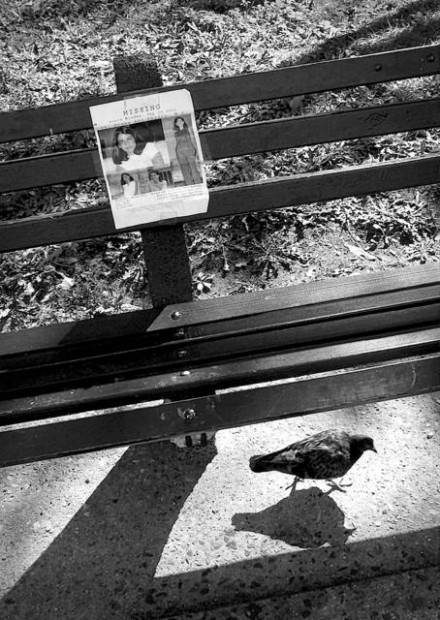
Wild theories circulated about the 31-year-old doctor's whereabouts, along with the photographs her grieving husband left on billboards across the city.
Philip, a resident physician at St. Vincent's Hospital in Staten Island, was born in India and had lived with her husband in New York for about a year before the attacks.
Lieberman was also a doctor; the couple met at medical school in Chicago.
The last time Lieberman saw her, they fought outside a courthouse, where Philip had pleaded not guilty to filing a false complaint against a colleague, according to court papers filed in 2005.
Lieberman accused his wife of bisexual acts and drug and alcohol abuse, according to a lower-court ruling that refused to rule her a 9/11 victim.
She didn't come home to their apartment in lower Manhattan's Battery Park City after shopping at Century 21, where a department-store security camera captured the last known image of her.
At one point, a detective overseeing her case thought he saw her on a videotape from her apartment building's lobby minutes before the first plane hit the World Trade Center on 9/11. But her husband could not recognize her from the video.
A private investigator found that she sometimes stayed out all night drinking, and was let go from a job because of alcohol problems and tardiness, according to court papers.
But in Thursday's ruling, the state Supreme Court's Appellate Division rejected a court-appointed guardian's report that Philip may have risked her life by abusing alcohol and drugs, saying the sources in the report weren't credible.
The appeals court said that while no direct evidence linked her to the World Trade Center site, it is "highly probable" she was there.
The Medical Examiner's Office said it would review the ruling before making a decision.


