ABOUT THIS SERIES:
As federal, state and local governments pursue ambitious targets to end carbon pollution from power production, energy communities across the West are facing an uncertain future. This series, 'Hunting Clean Energy in the West,' examines what the adoption of clean-energy technologies will mean for the future of electricity production, jobs, tax revenue and the environment as the transition takes place. With the federal government pouring billions of dollars into initiatives that are designed to replace fossil-fuel power, this series looks at how that money is flowing to private companies and to people on the ground. Some of these technologies, like wind and solar power, have already become ubiquitous. Others, like small modular nuclear reactors and hydrogen power plants, remain mere possibilities. But as environmental and regulatory pressures increases, these new forms of power production will help shape a West that no longer relies on carbon-based fuel.

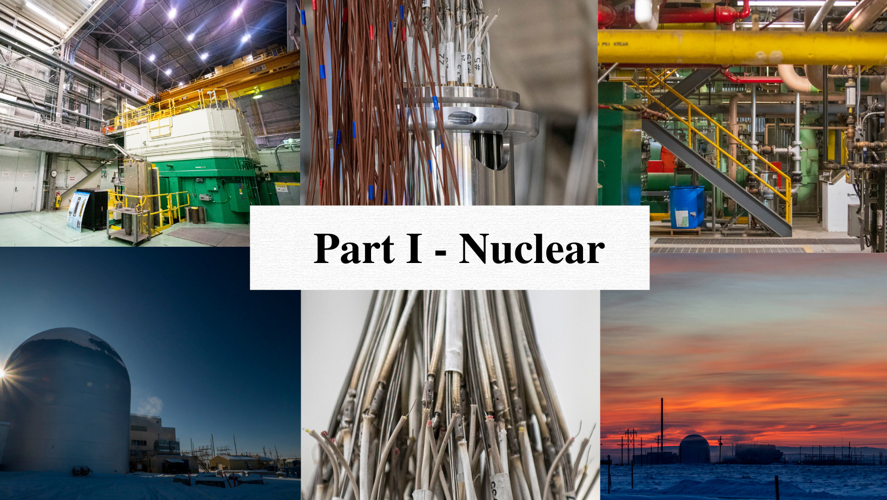
Nuclear plants already account for about half of the nation’s coveted fossil-fuel-free electricity, but their size, complexity, cost and risks mean no new reactors have started producing power in 30 years. That could soon change if billions in federal investment can bring small modular reactors to the market. Advocates say new designs and production techniques will bring about large numbers of reactors to replace shuttering coal plants. But detractors say such expectations are unrealistic and don’t account for long-standing issues with storing nuclear waste and the “toxic legacy” of uranium mining.
Feds betting billions on 'new' nuclear technologies
The federal government has put a multibillion-dollar bet on “advanced” and “small-modular” nuclear reactors. But many of the nation’s leading nuclear experts have expressed doubt about whether this technology can really deliver safe, reliable, cost-effective and environmentally friendly power as well as jobs for workers in time to meet the government’s carbon-elimination goals. Read the story here:

Will new reactors ease America's nuclear waste problem or make it worse?
As various initiatives try to develop small-modular technology to fill a vital need for carbon-free power, the industry is mired in a debate about whether the new reactors will help solve or only worsen its longstanding struggle to permanently and safely store nuclear byproducts. Read the story here:

New reactors could revive U.S. uranium mining - and concerns about its 'toxic legacy'
A renewed demand for domestic uranium has already been felt at the United States’ largely languishing uranium mines. But as the industry gears up, the government’s plans to create a domestic supply of uranium and to produce HALEU have already drawn pushback from Indigenous and environmental groups. Read the story here:


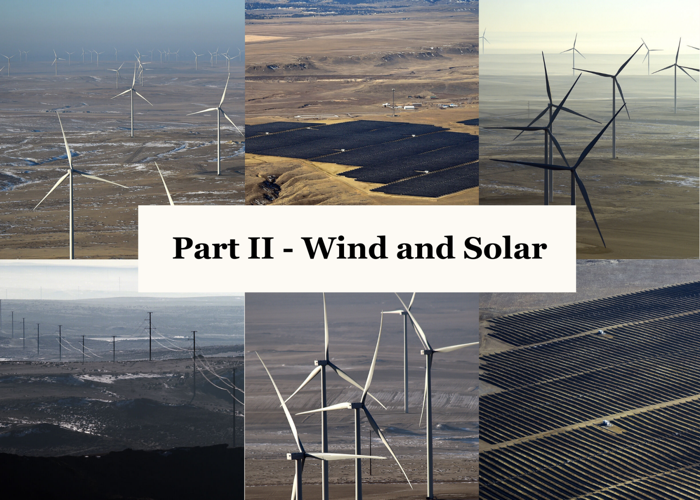
Wind and solar farms are popping up across the county as governments push for more renewable power. But the shift to clean energy hasn’t been seamless. Renewable energy companies are lining up to build wind and solar farms, but some utilities and communities are trying to hang onto the jobs, the revenue and the on-demand power that fossil fuels provide. And as utilities across the country try to balance the near-term need for affordable and reliable power with the long-term goal of ending carbon emissions, the result has been a “time of significant uncertainty,” according to a recent study. What’s uncertain is nothing less than the bedrock of the U.S. energy sector: where power will come from, how much it will cost and whether it will be reliable.
Despite push for renewable electricity, coal habit proves hard to break
As governments and private entities push to end carbon emissions, renewable energy companies are lining up to build wind and solar farms, even as some utilities and communities try to hang onto the jobs, the revenue and the on-demand power that fossil fuels provide. This push and pull is evident across the West, but especially so in Colstrip, Montana, where the partial closure of a long-standing coal plant has created opportunities for new, clean energy sources to emerge. Read the story here:

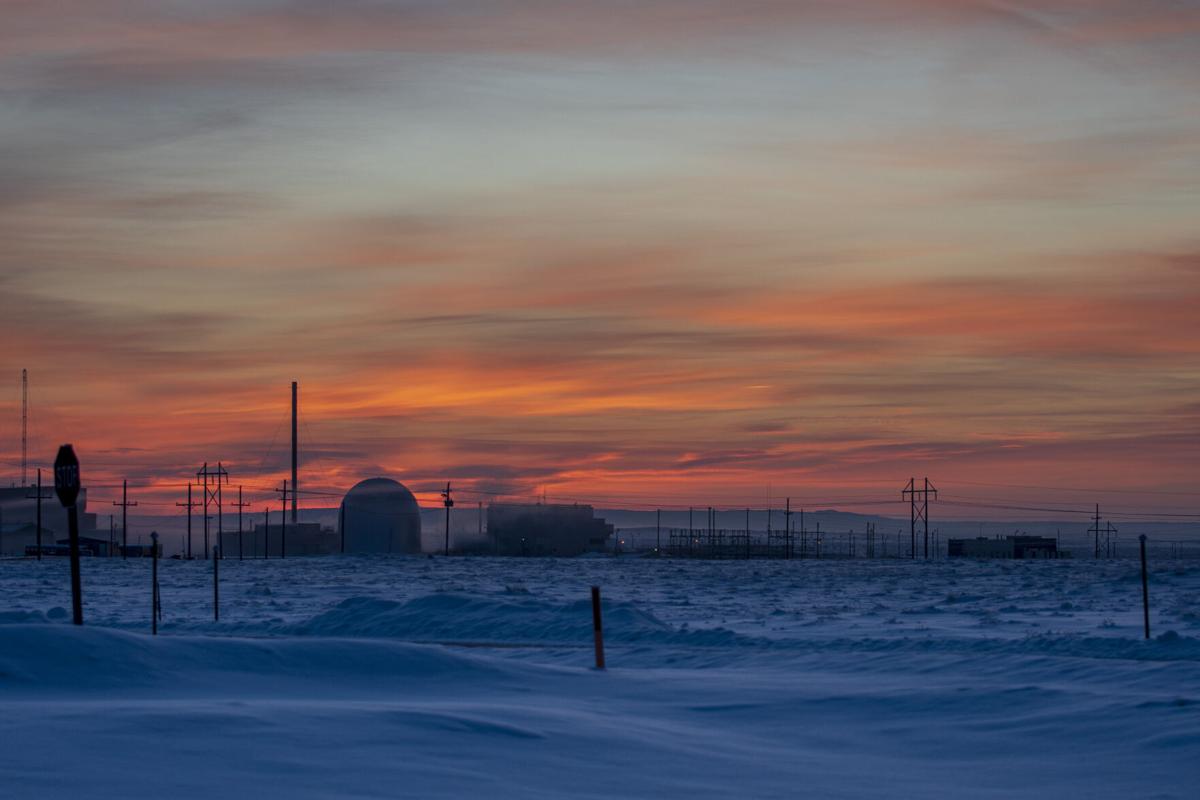
Lee Enterprises' journalists spent a day at the Idaho National Laboratory learning about nuclear energy and how it might change the way America looks at energy production in the future.