




It's a lousy week for Tucsonans with outdoor allergies.
Recent warm weather and wind have combined to jump-start the allergy season.
"Warm, dry weather makes people more sensitive to the allergens. Even if there are average amounts of pollen, the weather intensifies it," local pollen expert Mark Sneller said Tuesday.
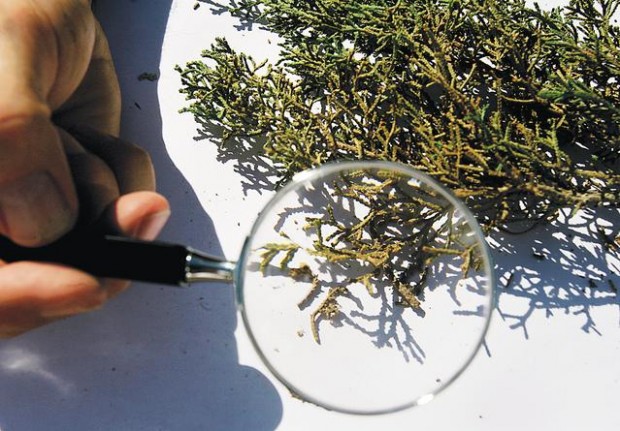
Ash, grass and Italian cypress have spiked levels to 330 grains of sneezy, wheezy pollen per cubic meter of air.
By comparison, at this time last year it was about half of that, said Sneller, who estimates he's been getting about a half-dozen calls per day from miserable allergy sufferers.
"It's going to go up and down, but mostly up. The next couple of months will be very busy for us pollenwise," said Sneller, who owns Aero-Allergen Research.
People are also reading…
"People call me. They want to know why they are dying. They want to know the pollen count, the atmospheric conditions. A lot of times, the weather does affect your health."
Mold also is high now, and that's a trigger for many allergy sufferers.
"Hot, dry winds are bad for mold," he said. "And it's very high for this time of year right now."
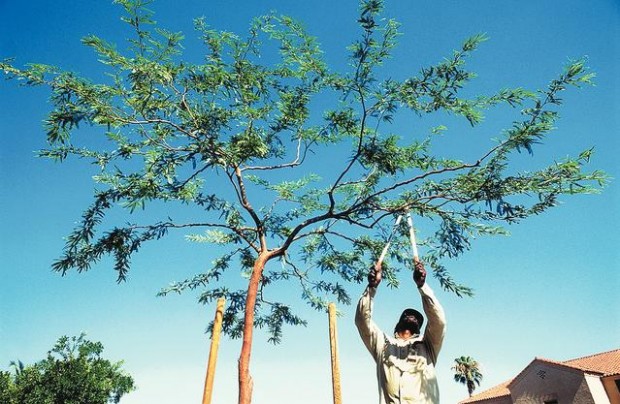
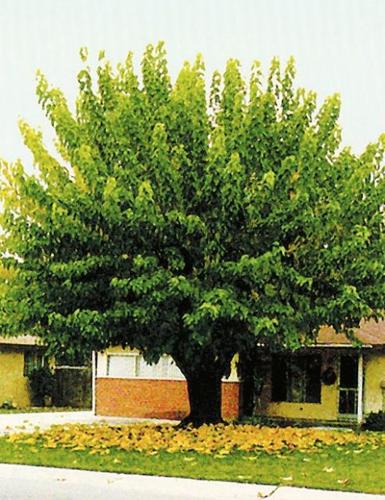
It's not the season yet, but allergy triggers are expected to rise again toward the end of March and into April when mulberry, pine, olive and mesquite will add to the mix. Mesquite is especially dense in areas of northeast Tucson, he said.
Some positive news: Anyone who is allergic to ragweed is getting a break this season, because low levels of winter rain mean there isn't much ragweed growing now.
Sneller's advice to allergy sufferers is to "make sure what is outside doesn't get inside."
"Take off your shoes at the door. Ninety percent of household dust is tracked in," he said. "Check your windows; get some weatherstripping. Make sure the window is shut tight."
In spite of the extra irritants floating around, a doctor at Tucson's largest allergy practice said he has seen only a slight uptick in the number of patients.
"We've had a few more phone calls. But I'm still seeing people with winter respiratory viruses," said Dr. George Makol of Alvernon Allergy and Asthma.
But he added that several of his patients have been laid off from their jobs, which could be leading them to avoid medical care.
"I think the flow will be tempered by people not working. The $30 and $20 co-pays are an issue for some people," he said.
Makol said people who want to treat themselves at home can try over-the-counter medications such as Zyrtec and NasalCrom. But he urges patients who are suffering not to put off medical care because of financial problems.
"They should discuss it with their doctor if the doctor is open to that, and I think most are," he said.
some Allergy triggers
Mulberry tree
Mesquite tree
Ash tree
Olive
Italian cypress
Grass
Source: Mark Sneller, owner of Tucson-based Aero-Allergen Research


