

Ladies and gentlemen, get out your tissues. The allergy season has made an early debut.
"It's already starting because we've had a fairly warm, wet winter," allergist George Makol said. "We're already seeing spring trees, such as ash, cedar and juniper come in late January and early February."
The allergy season usually doesn't start until later in March, Makol said. Tucson has averaged 9.13 inches of rain annually in the last decade, so 4 inches so early in the year has caused allergy-causing plants to bloom early.
Makol, a doctor at Alvernon Allergy and Asthma, said wind-pollinated plants such as trees cause more allergy problems than insect-pollinated wildflowers, which aren't as much of an allergy threat. He added that he's had a full slate of patients seeking allergy relief for the past two weeks.
Chief culprits
People are also reading…
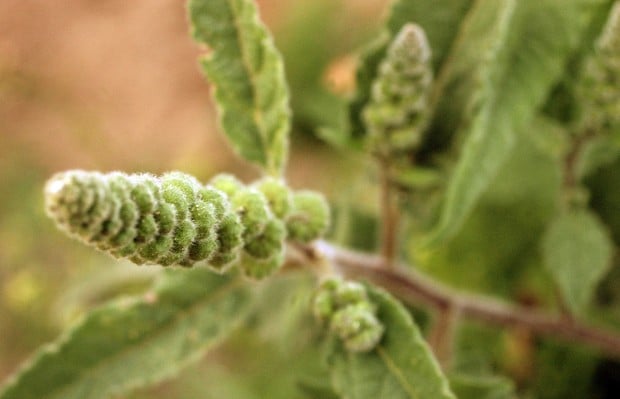
Along with spring trees he mentioned above, these are the chief plants that cause allergies in Southern Arizona, according to Makol: mulberry, olive, palo verde and mesquite trees; and ragweed and rabbitbrush.
"This is one of the greenest seasons I've ever seen," Makol said.
Prevention
Makol says air conditioners are your best friend because they circulate the air and filter out allergens.
"When it gets warm, run the air conditioner rather than a swamp cooler," Makol said. "Anything that helps with filtration."
He also recommends running the A.C. inside the car rather than opening windows, and trying to stay indoors more often during windy days.
Treatment
Over-the-counter drugs such as Zyrtec and NasalCrom, are often effective at keeping allergies down.
If those fail, he suggests talking to your doctor, who can refer you to an allergist or prescribe a nasal steroid such as Flonase to help keep the sneezes and eye irritation at bay.
Contact reporter Phil Villarreal at 573-4130 or pvillarreal@azstarnet.com


