

WASHINGTON - The Obama administration on Friday implored the website WikiLeaks to stop posting secret Afghanistan war documents, as the Pentagon pressed its investigation of the massive security breach by bringing a soldier under scrutiny back to the U.S. for trial.
Administration officials said the investigation into the release of the documents - more than 76,900 so far - could extend beyond members of the military.
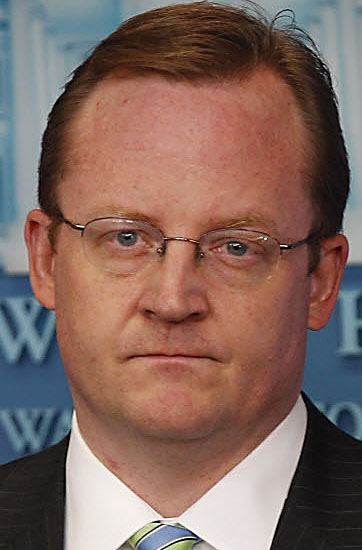
White House spokesman Robert Gibbs said WikiLeaks' online posting of mostly raw military intelligence reports jeopardized national security and put the lives of Afghan informants and U.S. troops at risk.
Asked what the Obama administration could do to stop WikiLeaks from disclosing thousands of similar documents it claims to have, Gibbs said, "We can do nothing but implore the person that has those classified top secret documents not to post any more."
People are also reading…
"I think it's important that no more damage be done to our national security," Gibbs said Friday on NBC's "Today" show.
According to Britain's Channel 4 News, Taliban spokesman Zabihullah Mujahid said in a telephone interview that the Afghans named in the leaked documents were under scrutiny.
"We will investigate through our own secret service whether the people mentioned are really spies working for the U.S. If they are U.S. spies, then we know how to punish them," he is quoted as saying.
The Pentagon's inquiry has been looking most closely at Pfc. Bradley Manning, an Army intelligence analyst charged with leaking a helicopter video from Iraq to the WikiLeaks website. The classified cockpit video showed a 2007 firefight in Baghdad that left a Reuters photographer and his driver dead.
Manning has also been charged with illegally obtaining more than 150,000 classified State Department cables and leaking more than 50 of them. It's not clear from the charges, though, whether the allegedly diverted documents were those published on the WikiLeaks site.
Manning, 22, was moved Thursday from Kuwait to Quantico Marine Corps Base in Virginia, where he will be held while awaiting possible trial, the Army said Friday.
The Army said it moved Manning because he had been held since May 29 in a field jail in Kuwait designed for short-term detention. In explaining the move, the Army also cited what it called the complexity of the charges against him and the "potentially lengthy" pretrial confinement he faces.
If a court-martial is convened it will be held in the Washington area, according to Lt. Col. Rob Manning, a spokesman for the U.S. Army Military District of Washington.
First, though, the Army must hold an Article 32 hearing - the military equivalent of a civilian grand jury proceeding - to determine whether the charges will be sustained, said Lt. Col. Manning, who isn't related to Bradley Manning.
Among the documents WikiLeaks has published so far were five or six classified State Department diplomatic cables. The State Department said Friday it was worried others might be released, compromising its intelligence-gathering capability.
Spokesman P.J. Crowley said the department is trying to learn what information any as-yet unreleased leaked cables might contain, and he urged Wikileaks not to publish any more.
"We think this has done damage and has the potential to do additional damage to our national security," Crowley told reporters.
WikiLeaks founder Julian Assange told the Australian Broadcasting Corp. in an interview that aired Thursday that WikiLeaks had contacted the White House - via The New York Times, which acted as intermediary.
Assange said WikiLeaks had offered to let U.S. government officials go through the documents to make sure no innocent people were identified. The White House did not respond to the proposal, he said.
A Pentagon spokesman, Marine Col. David Lapan, said Friday it was "absolutely false" that WikiLeaks contacted the U.S. government to offer a prerelease review.


