


ISLAMABAD - The brazen assassination Tuesday of a popular and progressive Pakistani governor allied with the nation's president threw an already teetering U.S.-backed government into even greater turmoil.
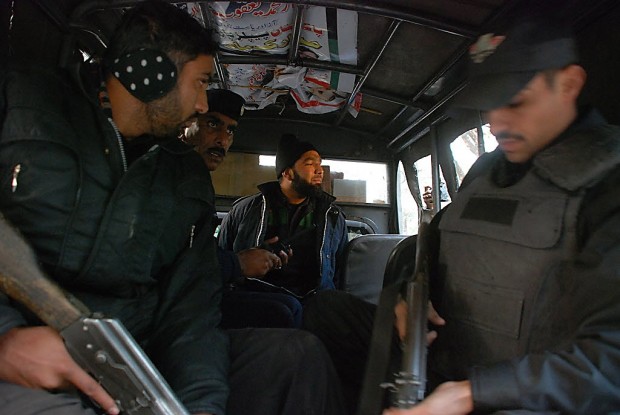
Salman Taseer, the governor of Punjab province and an avowed opponent of religious extremism, was shot to death at an open-air shopping center that is frequented by foreigners and the Pakistani elite. The gunman was a member of the governor's own elite police-security contingent, officials said.
They said the gunman's motive was anger at the governor's call for a pardon of Asia Bibi, a Pakistani Christian woman facing the death penalty for allegedly defaming Islam. The case has divided Pakistan and drawn international criticism of the country's blasphemy laws.
Taseer's assassination is a further blow to the ruling People's Party, which in recent days has been struggling to cope with the defection of a major coalition partner and keep the government afloat. Many of its mourning senior members likened Taseer, a popular and charismatic figure who commanded a large following on Twitter, to Benazir Bhutto. She, too, ran afoul of religious extremists and was assassinated three years ago.
People are also reading…
Pakistan is a crucial if problematic partner of the United States in the fight against the Taliban, and its latest woes could have repercussions for the war in Afghanistan. President Asif Ali Zardari has been under heavy U.S. pressure to act decisively against insurgents who use tribal borderlands as a sanctuary and a staging ground for attacks on U.S. and other Western forces in Afghanistan.
But Zardari's government has been weakened domestically by a host of other problems: enduring unhappiness over its handling of last year's devastating floods, a stumbling economy and a virulent homegrown insurgency.
Interior Minister Rehman Malik said Taseer's killer, identified as Mumtaz Husain Qadri, had confessed to the shooting and told police he was motivated by the governor's outspoken opposition to Pakistan's draconian blasphemy laws, which are strongly backed by Islamist parties.
Like many members of Pakistan's elite, the 56-year-old Taseer was fluent in English and liberal in his outlook. He was a media mogul who published a newspaper and owned a TV channel.
His killing highlighted long-standing fears about Islamist loyalties within the ranks of Pakistan's security forces.
In Washington, a State Department spokesman called Taseer's death "a great loss" and said Secretary of State Hillary Rodham Clinton had met with the Pakistani ambassador to offer the Obama administration's condolences.


