

The following is the opinion and analysis of the writer:
Christine Flanagan
The management of public lands is under insidious threat. If you don’t camp, hike, hunt, fish, bird watch, view wildflowers, lease, or simply visit public lands, you may think this has nothing to do with you. Think again.
All that ecologically intact open space is filtering pollutants from the air, nurturing soil and wildlife, and returning water to our aquifers. Public Land is working land, working for the mental and physical health of all citizens, of all political views.
The management of Public Lands is being catastrophically undermined by this U.S. Congress. Angered by restrictions on oil, gas, and mineral extraction, Congress has used the Congressional Review Act of 1996 to nullify Resource Management Plans created by the Bureau of Land Management and other federal agencies.
People are also reading…
These locally developed plans, required by the Federal Land Policy and Management Act of 1976, govern how tracts of public land are managed. They are years in the making with lengthy input and review by citizens, NGOs, corporations, and state agencies. They reflect local priorities, federal policies, and legal requirements.
Our own Ironwood Forest National Monument RMP completed in 2013 began with a public notice of intent to prepare a plan in 2002. The 11-year process produced a 135-page plan after numerous drafts, periods of public comment, responses, and revisions all managed by BLM’s Gila District Tucson Field Office. You may not agree with everything in the plan, but you know how it is being managed.
The CRA enables Congress an opportunity to review and disapprove new federal agency regulations (aka rules). If a regulation is disapproved, an agency is prohibited from crafting a replacement that is substantially similar. In a detailed opinion from the Solicitor General of the Department of Interior issued January 15, 2025, RMPs have never been submitted to Congress for approval and don’t meet the qualifications for rules as defined by the CRA. Nevertheless, this year Congress used the CRA to disapprove the RMPs for five sites: four BLM sites in Alaska, Montana, Wyoming and North Dakota, and a leasing plan for the Arctic Wildlife Refuge administered by the Fish and Wildlife Service.
The resolutions, passed along party lines in House and Senate, have been signed into law. At this point, the only sure result is confusion and uncertainty for all current and future users of those lands: any permit, license, or authorization issued under those RMPs may become void.
Any future request for use of those lands may fall under plans in existence before those RMPs were in place, i.e., plans likely crafted before GIS, before habitat surveys, before the threats of invasive species, before many of you were even born. Other legislators, eager to employ this strategy, have bills in committee. Your favorite monument may be next.
We don’t know if this use of the CRA will be allowed to stand, but if so, in question are all RMPs finalized and not submitted since the CRA passed in 1996. But other laws state that certain uses, decisions, permits, etc. are allowed only if they are consistent with current RMPs. Chaos is assured. A letter to DOI signed by six organizations suggests that nullifying the five RMPs jeopardizes at least 5,033 oil and gas leases already issued for possible violation of the FLPMA.
Is this complicated? Absolutely! But as U.S. citizens, we are public land owners and entrust management of our lands to federal agencies. The BLM’s mission is “to sustain the health, diversity, and productivity of public lands for the use and enjoyment of present and future generations.”
Decisions, normally enabled by an RMP, are required: You want to camp, explore for a new well, go target shooting, or want other grazing options. What will be legal or disallowed? The list is both urgent and endless. In addition to the divergent voices of citizens, NGOs, corporations, politicians, and managers, the silent voices of future generations are also at the table. One wonders who benefits from the chaos caused by this use of the CRA? Do they fully understand what they have done?
Follow these steps to easily submit a letter to the editor or guest opinion to the Arizona Daily Star.
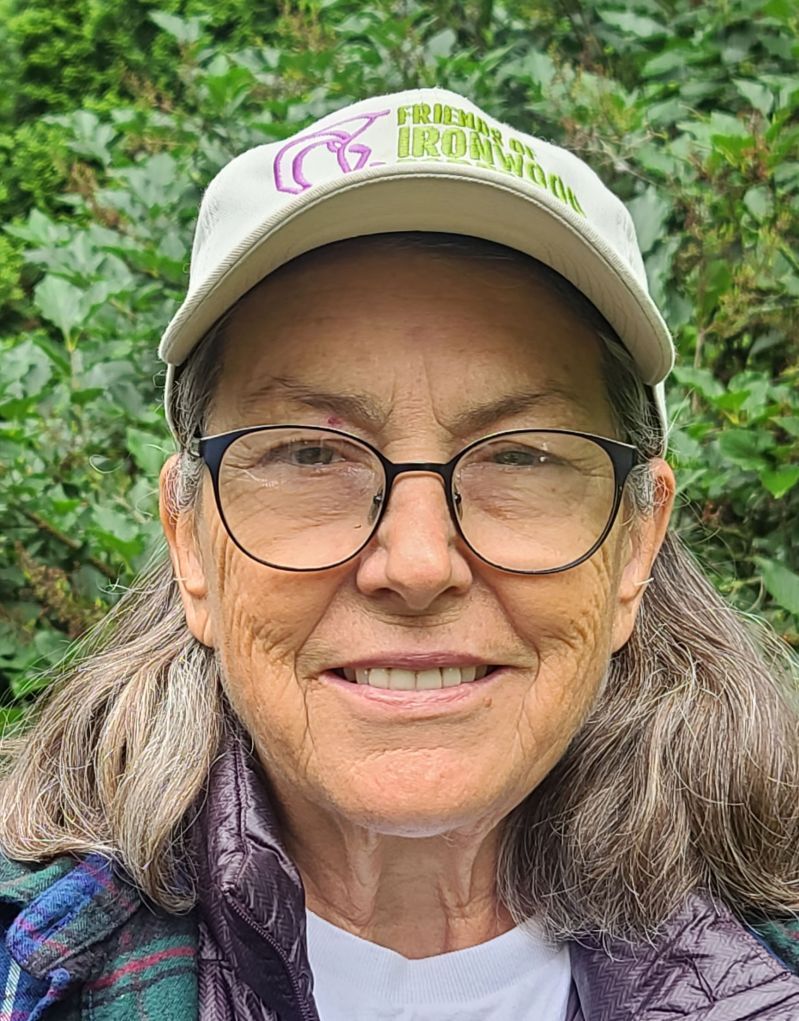
Chris Flanagan is President of the Friends of Ironwood Forest, a native of Arizona, and a lifelong user of public lands.
