
The following is the opinion and analysis of the writers:
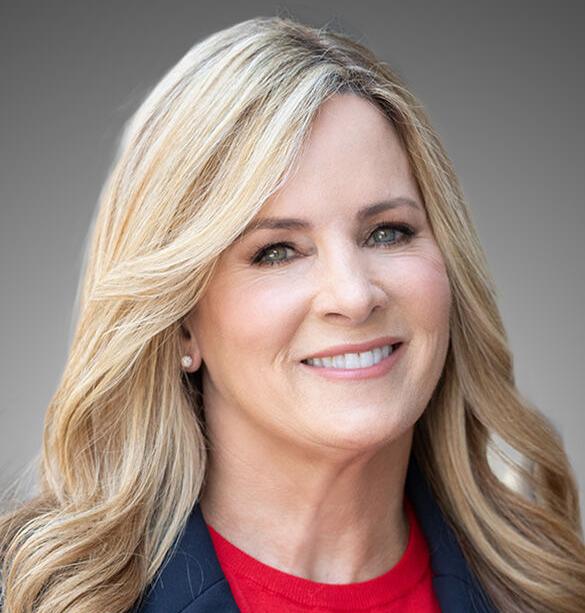
Kimmie Dillon

Anna Pingel
Every election cycle, Arizonans brace for the same familiar headlines: long lines at polling places, tabulation delays stretching late into the night, emergency court filings, and national media attention focused — once again —in Maricopa County. These problems are no longer isolated incidents. They have become a pattern. And regardless of party affiliation, this recurring chaos undermines confidence in our elections and weakens trust in our democratic system.
Arizona voters deserve better. The Arizona Secure Elections Act (ASEA) offers a serious, comprehensive path forward — and it deserves broad public support.
Arizona is not lacking civic participation. Our voters are engaged, turnout is strong, and access to the ballot is already expansive. What we lack is a system that delivers timely, transparent results under clear, consistently enforced rules. Too often, shifting standards and last-minute ballot processing have left voters frustrated and suspicious, even when no wrongdoing is proven. The ASEA addresses these concerns directly by strengthening voter identification requirements, making voting by mail more secure, and banning foreign money from influencing Arizona elections.
People are also reading…
These are not extreme ideas. They are commonsense reforms designed to put voters — not bureaucratic confusion or partisan litigation — at the center of the process.
Consider voter identification. Requiring government-issued ID to cast a ballot is a straightforward way to protect our elections. Arizonans are already accustomed to showing ID to drive, travel, or complete basic financial transactions. Applying that same standard to our elections should not be contested, and this policy is supported by over 80% of Americans. Strong voter ID laws are not about exclusion; they are about integrity.
Mail voting presents a more complicated challenge. While convenient, Arizona’s current system has become increasingly difficult to administer efficiently. Ballots continue arriving after Election Day, signature verification overwhelms county staff, and final results remain uncertain for days or even weeks. This law enacts reasonable guardrails: Voters must confirm their mail-ballot delivery address each year, and early ballots must be cast by 7 p.m. on the Friday before Election Day.
These changes preserve access while restoring order. Arizona would still offer weeks of early voting, no-excuse mail ballots, and widespread in-person voting options. What would change is predictability. Election officials would have enough time to process ballots. Voters would know exactly when and how to cast their vote. And the state could finally deliver timely results without constant crisis management.
Critics argue that these reforms shorten voting windows and risk exclusion of certain voters. But that argument ignores reality. Arizona already provides more voting options than most states. This won’t eliminate early voting or mail voting—it brings structure and accountability to a system that has grown unwieldy.
Arizona has endured years of election dysfunction with no meaningful resolution.
At its core, the ASEA respects voters’ time and intelligence. Clear rules and firm deadlines reduce confusion and allow election workers to focus on running smooth elections rather than responding to crises. Confidence in elections is not built through press conferences or lawsuits, but through systems that work consistently — election after election.
Just as importantly, this decision will not be made behind closed doors. After Governor Katie Hobbs vetoed a previous version of the legislation, lawmakers chose a more democratic path: placing the SAVE Act directly on the ballot. That means Arizona voters — not politicians — will have the final say.
If voters believe the reforms go too far, they can reject them. But they deserve the opportunity to weigh in.
Arizona has become a cautionary tale when it comes to election administration. It does not have to remain one. Other states have demonstrated that secure elections, broad access, and timely results can coexist. With the SAVE Act, Arizona can learn from what works and finally move beyond the cycle of chaos.
Supporting the Arizona Secure Elections Act is a vote for clarity, accountability, and trust. These are not partisan values. They are democratic ones. And they are essential if Arizona is to restore confidence in its elections and strengthen its democracy for the long term.
Follow these steps to easily submit a letter to the editor or guest opinion to the Arizona Daily Star.
Kimmie Dillon serves as chair of the America First Policy Institute’s Arizona state chapter. Anna Pingel serves as director of the Secure Elections campaign at the America First Policy Institute.