

When you formed your living trust, your attorney probably advised transferring ownership of your assets into the name of your trust, except for retirement plans and annuities. Questions often arise about whether vehicles should be transferred to a living trust. Consider these situations:
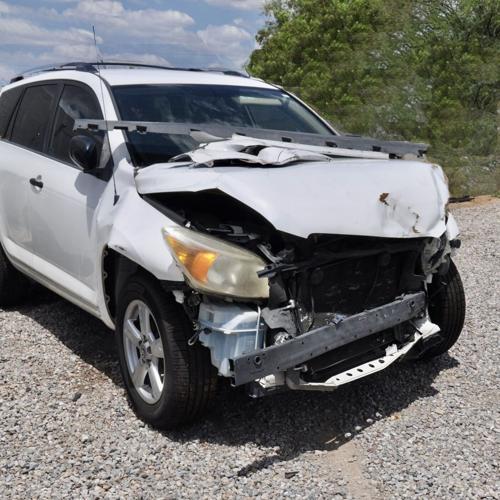
Imagine that you park your car in front of your friend's home, and it catches fire through no fault of your own and damages your friend's home. Their recourse would be to sue the owner of the car: your trust. You may prefer not to involve your trust in such a lawsuit.
In another scenario, if you transfer a car into a revocable living trust and later cause an accident resulting in the death or serious injury of another driver, the driver or their family could sue the trust for damages indirectly, by suing you as the trustee. It is important to note that assets owned by your revocable living trust are not protected from creditors.
Another issue to consider is insurance coverage. Your insurance company could deny coverage as they insured you as the owner, rather than your trust. While you can notify your insurance company to add your trust to the policy as an additional insured, they may require a higher premium or a copy of the trust. You, as the trust creator, might object to these requirements.
One of the goals of creating a living trust is to avoid probate after you pass away. Assets titled solely in your name without a surviving joint tenancy owner or designated beneficiary may be subject to probate. Arizona offers two simple ways to transfer vehicle ownership before or after death to further reduce the risk of probate.
If you are the sole (not joint) owner of a vehicle, Arizona law provides a beneficiary form to transfer your vehicle title upon your death. This form, found in the Senior Village handbook "Planning Ahead for Those You Love" or available from the Arizona Department of Transportation (ADOT) as form 96-0561 at azdot.gov/mvd, enables you to designate a beneficiary for your car, including your trust. The form does not need to be notarized or submitted to the Motor Vehicle Department before you die; simply keep with your title or estate planning documents.
Even if no beneficiary is named before your death, the vehicle may still avoid probate. The beneficiaries of your estate may be able to use a Small Estate Affidavit to transfer title without opening probate if the total value of your vehicle and other personal assets (excluding real property) in your estate does not exceed $75,000.
If you have questions about estate planning, such as powers of attorney and healthcare directives, the Senior Village Forms & Documents Team provides information to members. You may also want to discuss these topics with your attorney. To request an appointment with a team volunteer or to become a member of Senior Village, call (520) 314-1042. For more information about Senior Village, visit seniorvillage.org.
Please note that while Senior Village provides general information, it does not offer legal advice. Always consult a legal professional for guidance on decisions regarding your trust.


