
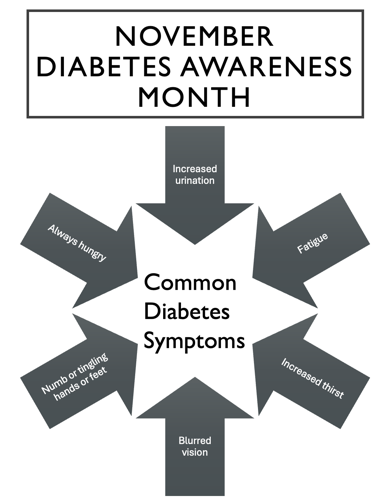

November is Diabetes Month, but I’m not celebrating. Instead, I am rallying against the diabetes epidemic. Almost 600,000 adults in Arizona live with diabetes, 95 percent of which are type 2. Diabetes is the seventh-leading cause of premature death in Arizona and radically contributes to early disability.
Nearly 2 million Arizonians have prediabetes but don’t know it. Prediabetes is a serious health condition where blood sugar levels are higher than recommended but not yet high enough to be diagnosed as type 2 diabetes. You can take a short risk test online to determine if you may have prediabetes. Visit doihaveprediabetes.org.
If you are at risk, request an A1C test in addition to the standard fasting glucose test when you visit your healthcare provider.
Chronic inflammation—resulting from poor diet, inactivity, excess body fat, insufficient sleep and unrelenting stress—is the root cause of diabetes and prediabetes. Having a family history of diabetes also increases the risk. You can reverse prediabetes before it becomes type 2 diabetes, and the following steps can get you on your way.
Dietary Steps
Examine Your Overall Diet. People who eat more ultra-processed foods (UPF) are at increased risk of developing type 2 diabetes, so, begin by reducing your intake of products that contain ingredients you wouldn’t cook with at home, such as additives and novel fats, carbs and protein.
Replace UPF with nutrient-rich plants, including vegetables, whole fruit, beans, whole grains, nuts and seeds. At each meal, fill half your plate with non-starchy vegetables because they contain abundant antioxidants that neutralize inflammatory oxygen molecules.
Get off the Blood Sugar Roller Coaster. Eating easy-to-digest carbohydrates (like added sugar, flour, refined grains and fruit juices) can cause blood sugar to peak quickly and fall rapidly. When this occurs regularly, inflammation is increased.
High-fiber foods like lentils and beans slow carbohydrate absorption. Seeds are not only rich in fat but also an excellent source of fiber. Choose whole grains such as brown rice or barley over white rice. Choose a whole-grain cereal like oatmeal rather than a reshaped grain like Cheerios.
Keep Your Gut Bacteria Happy. Fiber feeds the fatty acid-producing gut bacteria, which helps improve glucose levels. Also, in a recent study, people following the notably high-fiber DASH diet who also consumed probiotics (considered “good” bacteria) had a decrease in several measures of blood sugar levels over three months. The five best probiotic foods for most people: plain yogurt, kefir, kimchi, naturally fermented sauerkraut and tempeh.
Watch Out for Nutrient Shortfalls. Magnesium and chromium influence blood sugar. Magnesium can make cells more sensitive to insulin, so eat magnesium-rich foods (spinach, pumpkin seeds, almonds, beans, avocado, figs and yogurt) as part of your plant-slanted diet, then talk to your dietitian about whether a supplement may be right for you. Inadequate chromium intake has been linked to the development of glucose intolerance. Obtain more chromium naturally by including apples, basil, broccoli, garlic, grapes, green beans and oranges.
Lifestyle Steps
Exercise—Being sedentary is associated with insulin resistance, but you don’t have to run a marathon. A 10-minute walk after each meal can have positive effects on blood sugar.
Muscle Mass — Besides keeping you fit and strong, weightlifting helps control blood sugar. Researchers evaluated data from 13,644 subjects regarding the correlation between strength training and prediabetes. They found that with every 10 percent increase in muscle mass, there was an 11 percent reduction in insulin resistance and a 12 percent drop in prediabetes.
Sleep—Untreated sleep problems can contribute to insulin resistance and type 2 diabetes. One sleep problem that often goes undiagnosed is sleep apnea, a disorder in which a person’s breathing is interrupted at night. People with sleep problems should talk with their healthcare provider.
Neutralize Stress — Stress triggers the production of life-saving hormones, but chronic inflammation increases when those hormones are not balanced. Daily meditation is a habit that helps rebalance hormones. You can download apps to your smartphone or look for resources provided through your health insurer.
 Japanese company invests in mine near Mount Lemmon


