

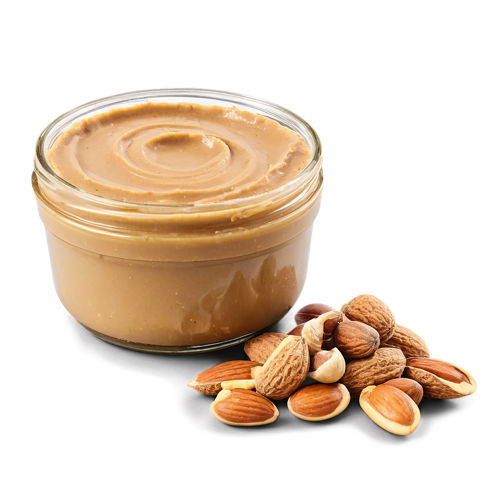

November provides an opportunity to celebrate one of my favorite foods: Peanut Butter.
What began as a day to recognize the date of the first patent application for peanut butter, November 4, expanded to the entire month to allow more time to celebrate one of America’s favorite spreads.
Peanut butter is well known for its familiar and much-loved taste, convenience, portability and affordability. But peanuts and peanut butter truly shine when it comes to delivering the nutrition children and adults need to power their day. A serving of peanuts (1 ounce) or peanut butter (two tablespoons) provides:
- More protein than any nut—with seven grams per serving—for long-lasting energy.
- 14 grams of mostly heart-healthy fat. The combination of protein and fat helps keep you full for longer.
- Vitamins and minerals, including niacin, vitamin E, manganese, folate, thiamin, magnesium, phosphorus and copper.
- Over two grams of colon-healthy fiber. The Dietary Guidelines recommend that Americans increase their consumption of fiber-rich plant foods to improve their health.
- Micronutrients and antioxidants, which help neutralize cell-damaging free radicals in the body and reduce the risk of chronic diseases. The best source of vital antioxidants is often found in the thin, papery skin of the peanut.
Whether you opt for creamy or crunchy, during PB Lover’s Month, you can enjoy all things peanut butter. Whether you enjoy eating some straight out of the jar or spreading a portion on whole grain toast or celery, there are numerous ways you can enjoy peanut butter in November.
Peanut butter is often associated with sweet snacks and desserts, but you can also use it in many savory dishes. I’ve provided a recipe for a quick pasta dish that you may already have the ingredients for in your pantry.
Here are some key points to consider regarding peanut butter and peanuts.
- To reap the most health benefits, opt for raw or dry-roasted peanuts that are unsalted and free from added sugar. Many commercial peanut products contain excessive amounts of sodium, sugar and unhealthy oils. Look for peanut butter with no more than two ingredients: peanuts and salt.
- Because peanuts are calorie-dense, it is important to enjoy them in moderation as part of a balanced diet. Stick to the standard serving size of one ounce to avoid excessive calorie intake.
- Peanut allergies are common and can cause severe, life-threatening reactions in some individuals. Anyone with a peanut allergy should avoid peanuts and any foods containing them. Alternatives include almond, cashew and sunflower butters.
- According to modern medical guidelines, children should be introduced to peanuts early, rather than later, to help prevent peanut allergy. The timing depends on a child’s individual risk factors, but for many, it can begin as early as four to six months of age.
Nancy Teeter is a Registered Dietitian and a SaddleBrooke resident. Although mostly retired, she remains passionate about sharing her nutritional knowledge with others. Always consult your medical provider before making lifestyle changes. Pasta with Canned Clams and Peanut Sauce
For the clams and pasta:
8 oz. linguine, spaghetti, or chickpea pasta
1 tbsp olive oil
2 cloves garlic, minced
¼ tsp red pepper flakes (optional)
1 (6.5 oz) can minced clams, with liquid reserved
2 tbsp dry white wine or chicken broth
2 tbsp chopped fresh basil, cilantro or parsley, for garnish
2 tbsp chopped roasted peanuts, for garnish
For the peanut sauce:
¼ cup creamy old-fashioned peanut butter
2 tbsp tamari (or soy sauce)
1 tbsp rice vinegar
1½ tsp honey
½ tsp sesame oil
¼ tsp Sriracha or chili-garlic paste, or to taste
Reserved hot pasta water
Instructions
Bring a medium pot of salted water to a boil. Add the linguine and cook according to package directions until al dente, reserving about ½ cup of the hot pasta water before draining.
While the pasta cooks, heat the olive oil in a large skillet or pot over medium heat. Add the minced garlic and red pepper flakes and sauté for 30 to 60 seconds, until fragrant.
Add the dry white wine and reserved clam juice to the skillet, scraping up any browned bits from the bottom. Simmer for about five minutes to allow the liquid to reduce slightly.
While the sauce simmers, prepare the peanut sauce. In a medium bowl, whisk together the peanut butter, soy sauce, rice vinegar, honey, sesame oil and Sriracha. Gradually add some of the hot pasta water, whisking until the sauce is smooth and reaches your desired consistency.
Add the drained canned clams to the skillet and stir to combine. Reduce the heat to low and pour the prepared peanut sauce into the skillet, stirring gently until warm.
Transfer the drained linguine to the skillet. Toss well to coat the pasta evenly. If the sauce is too thick, add one or two tablespoons of the reserved pasta water.
Divide the pasta among three dishes and garnish with the chopped cilantro and roasted peanuts. Serve immediately.
NOTE: Nutrition is influenced by the specific products you choose. For example, using a pasta made with lentils or chickpeas will alter the final nutritional values. However, here are the estimated key nutrients for one-third of the recipe: 550 calories, 25 g fat, and 22 g protein.


