

My wife, Prudy, is convinced she is 100 percent Italian, and she’s got four grandparents born in that country as convincing credentials. Twenty-three and Me adds its support, although it suggests that more than one of her ancestors must have vacationed elsewhere. This background is still cleaner than mine, which mostly reflects northern European countries like Scotland, Ireland, England and Germany. This is important only to the extent that it affects our own vacation choices, and when push comes to shove, cuisine outranks genetics. Consequently, Italian passport stamps predominate.
This is certainly true today, on Thursday, July 31, as I write this article, and I’m comfortably seated in our courtyard in the heart of Sorrento, a colorful Italian getaway on the south end of Naples Bay. Our apartment, one of five units housed in a converted monastery, is located literally just steps from dozens of coffee bars, restaurants, boutique shops and gelatorias, and considering all the nearby hustle, it is surprisingly quiet. It’s 11:05 on a Thursday morning, and we’ve just finished our typical breakfast of cappuccino, melon and freshly baked fluffy croissants, still hot and dusted with powdered sugar and tiny sugar crystals. We stayed here for six nights 10 years ago, but this time, we’re here for a month, practicing our dolce di far niente, the sweetness of doing nothing. Of course, we are keeping our eyes open for birds, but most of them appear to have moved elsewhere with the holiday influx of Sorrento tourists. Exceptions include three Pallid Martins, eight Barn Swallows, one Eurasian Blue Tit and countless Yellow-legged Gulls.
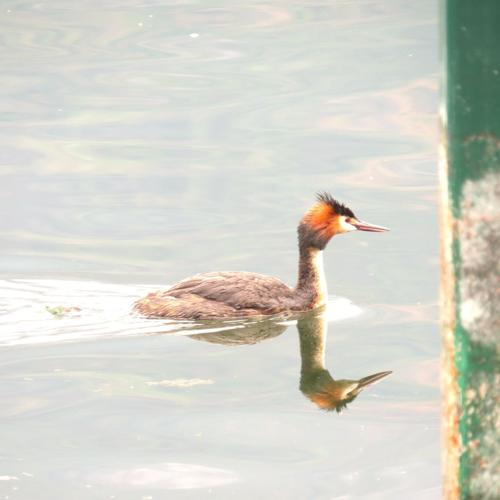
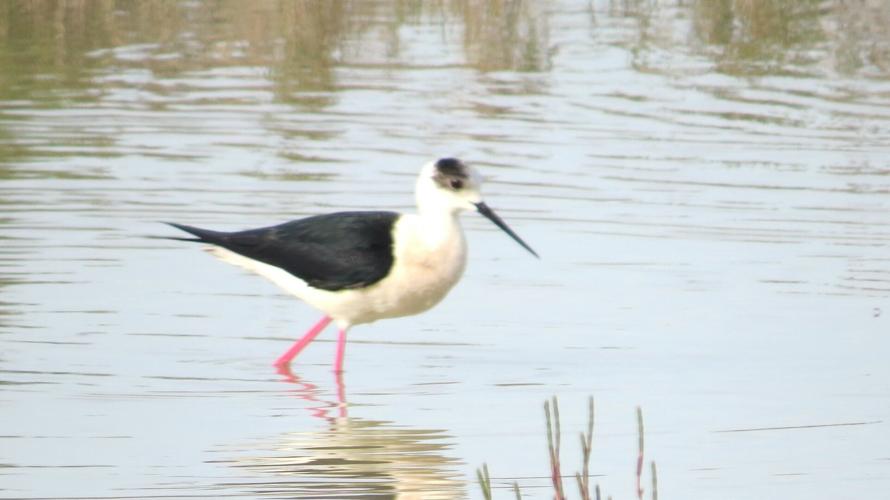
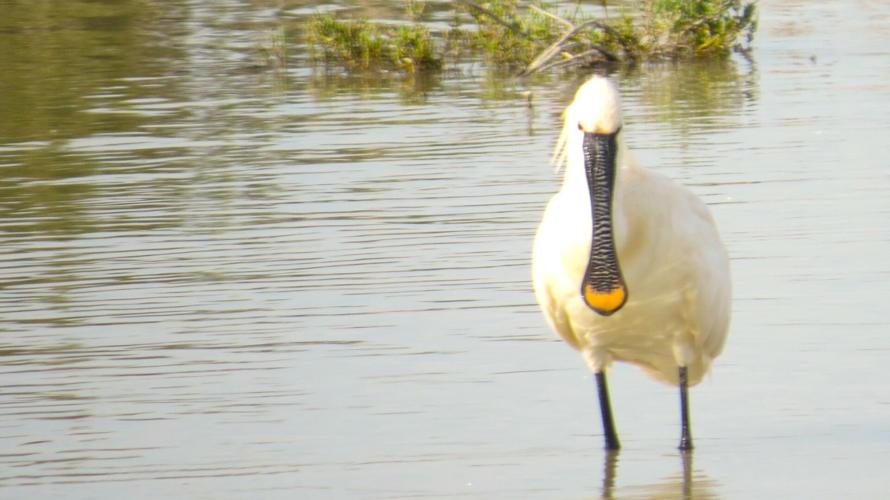
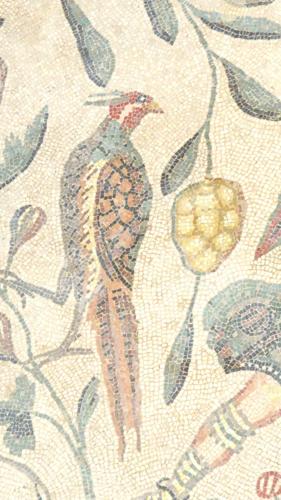
Our trip in 2015 was designed much differently, and it’s a bit scary to realize how much we’ve changed in 10 years. On that trip, we flew into Milan, took the train to Bellagio on Lake Como, explored Morbegno, then trained to Vernazza on the Cinque Terre where we hiked and climbed more stairs than we could count. After that, we visited Sorrento, hiked Pompeii and Herculaneum and took the train to Sicily where we rented a car and drove around the entire island. From there, we flew back to Milan and took a train to Paris for the final five days before returning to Tucson. We documented 52 birds on that trip, although we noted nothing special in Sorrento. We found new birds at Lake Como, including Great Crested Grebe, Eurasian Coot, Little Grebe, Coal and Crested Tits. Another hot spot was in Sicily, just south of Siracusa, at the Riserva Naturale Oasi di Vendicari, and our bird list there included Eurasian Spoonbills, Black-winged Stilt, Common Shelduck, Sardinian Warbler and Common Buzzard. A third spot on Sicily, which was also productive, was an Agriturismo named Pardo. Agriturismi are working farms that cater to tourists, like Air B&Bs. We were the only guests at Pardo during our stay, where neither hosts nor guests spoke the other’s language, but we used computers for essential conversation, and in the meantime, fully enjoyed great cooking, hiking the hilly trails and enjoying both wildflowers and exotic birds. Some of the birds we observed and photographed there included European Goldfinch, Eurasian Wren and Western Yellow Wagtail. No discussion of Sicily should ignore the Villa Romana del Casale. This is a Unesco World Heritage site built by the Romans between 320 and 350 AD, which no visitor should miss. Incredible tile mosaics are featured, including many birds.
As sweet as it is, doing nothing is a concept foreign to our genetics. Consequently, we’ve already tested the waters so to speak, attending two cooking schools and taking an all-day boat tour to the Amalfi Coast. And of course, our trip is still far from over. When we leave Sorrento, we plan to spend two nights on the island of Procida, then ferry over to the island of Ischia for another three nights. After that, we’ll fly to Athens, where we will join a nine-night cruise of the Greek islands, including two all-day stops in Turkey. Stay tuned for that report in our October column. I am confident enough to promise more bird reports and photographs than what we’ve seen so far.
If you have questions or comments about SaddleBrooke’s birds, or to receive emailed information about bird walks led by Bob and Prudy, call (520) 330-0366 or email bobandpru@gmail.com. Previously published articles can be found online at birdingthebrookeandbeyond.com.
 Chip Hale among Arizona baseball coaching legends to fall on hard times | Greg Hansen


