

Wildlife protection groups are trying to put the brakes on a mining project in the Patagonia Mountains slated to start Oct. 1.
The Defenders of Wildlife and the Patagonia Area Resource Alliance took their case to federal court in Tucson on Thursday, arguing the U.S. Forest Service should have conducted a more detailed examination of potential wildlife impacts before approving a proposal to drill 6,500-feet deep holes.
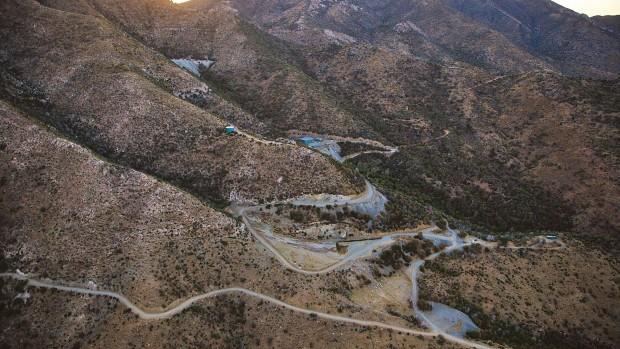
With the Sunnyside Project, mining company Regal Resources Inc. plans to drill six holes to analyze the copper content of the area about five miles south of Patagonia. At issue is a “categorical exclusion” issued by the Forest Service, which allows the project to move forward without preparing an environmental impact assessment.
The wildlife groups asked the court to vacate the categorical exclusion, contending the company will need more than one year to drill and then repair the landscape. They also claim the project will disrupt the habitat of the jaguar, ocelot, lesser long-nosed bat, Mexican spotted owl and yellow-billed cuckoo, all of which are endangered species.
People are also reading…
For its part, the Forest Service asked the court to dismiss the wildlife groups’ complaint. The Forest Service claimed its decision to grant a categorical exclusion complied with the National Environmental Protection Act and was not arbitrary or capricious.
After reviewing the company’s proposal, the Forest Service authorized the company to run the project for a 1-year period, with a seven-month break during the breeding season of the Mexican spotted owl, Julia Thrower, the attorney representing the Forest Service, said in court Thursday.
The company should be able to complete the project in the allotted time by drilling two holes at a time while repairing the landscape around previously drilled holes, she said.
Although the company is authorized to drill all six holes, they are not required to do so and can stop work to stay within the year limit, Thrower said.
Lawyer James Tutchton, representing the wildlife groups, argued the drilling and reclamation will disrupt wildlife for up to three years.
The noise caused by the drills will be louder than a chainsaw and will disrupt about one-third of the Mexican spotted owls’ protected area, as well as the migratory corridors of jaguars, Tutchton said.
After hearing oral arguments, U.S. District Court Judge Rosemary Marquez said she would take the matter under advisement and likely would issue an order before the project’s Oct. 1. start date.
Contact Curt Prendergast at 573-4224 or cprendergast@tucson.com. On Twitter @CurtTucsonStar

Curt Prendergast
Editor
 Japanese company invests in mine near Mount Lemmon