

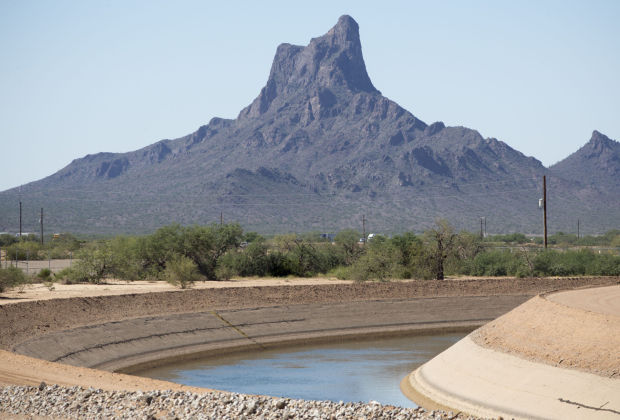
With dire drought predictions looming, Phoenix and Tucson are attempting to create a first-of-its-kind pilot project to see if the two cities can work together to meet the future water needs of both.
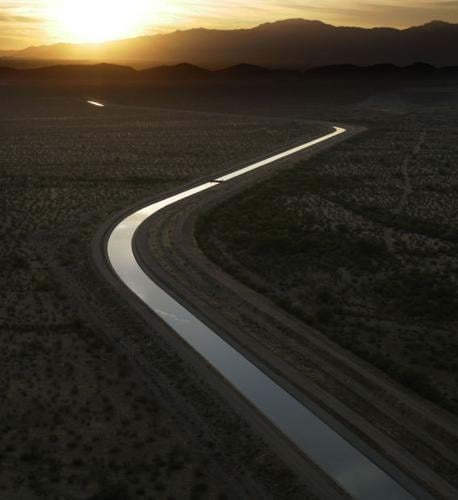
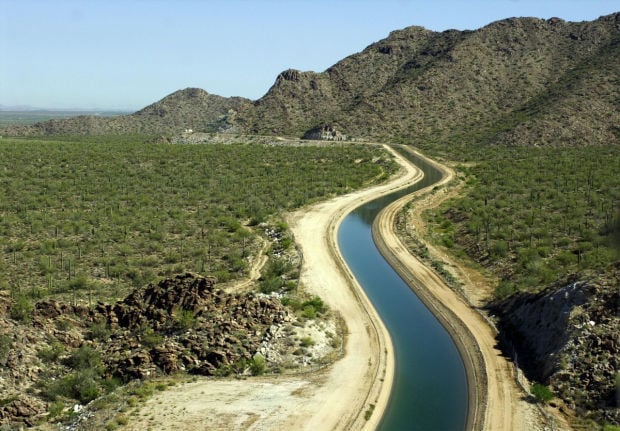
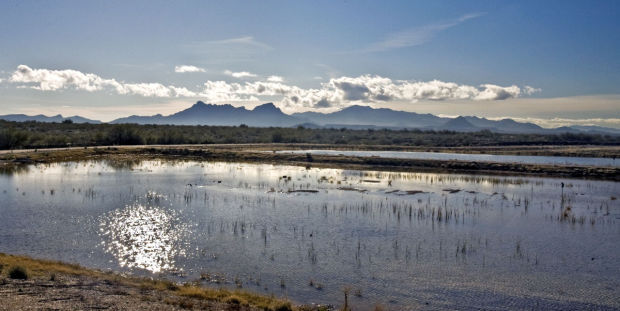
Part of the plan is for Phoenix to ship its excess Central Arizona Project water for storage in Tucson’s aquifers, creating a potential reserve when lean times hit.
“It allows Phoenix to send us their water and we’ll give them our water credits,” said Mayor Jonathan Rothschild.
Then, when shortages hit, Phoenix would take a share of Tucson’s Colorado River water while Tucson pumps the Phoenix water it put into storage years earlier.
Rothschild said both governments hope shortages never reach that point. “But if it does,” he said, “we’ll have the benefit of their water and they’ll have our credits.”
People are also reading…
Officials said the deal highlights the changing attitudes cities are taking toward predicted water crises.
“We can no longer say drought and water preservation issues are the purview of the state or federal government,” said Phoenix Mayor Greg Stanton. “As mayors, we’ll let the others do the talking while we start to act.”
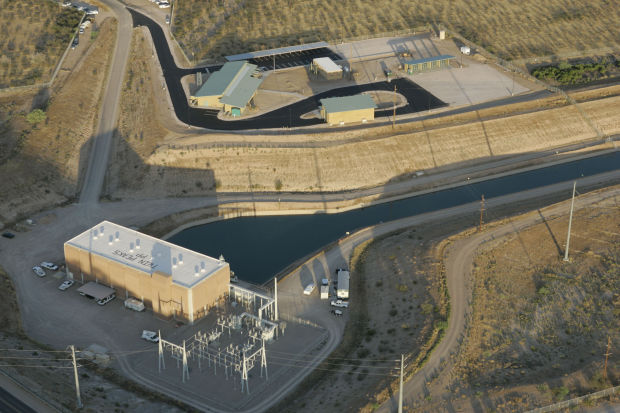
Unlike Tucson, Phoenix lacks the infrastructure to pump and store its unused portion of Colorado River water. As a result, Phoenix ends up putting about a third of its annual allotment back into the CAP system.
“The facilities up there don’t have the capabilities to do what we do to store our extra water in the ground and then extract it for delivery,” said Tucson Water spokesman Fernando Molina. “They have surface water treatment plants so they only take the water they need to meet demands.”
Building the required infrastructure would be expensive for Phoenix. By partnering, both cities look to save money: Phoenix on construction costs and Tucson on pumping expenses since it’s cheaper to pump when the aquifer levels are higher.
Stanton said it didn’t make sense to spend money on new infrastructure in Phoenix when it already existed in Tucson.
On top of the savings, Stanton said his city ensures its water rights are secure by utilizing more of its annual CAP allotment, and are not faced with a use-it-or-lose-it situation.
“Using our capacity is a better way to protect them,” Stanton said.
During the two-year test run, Phoenix will send 850 acre-feet of water to Tucson, which could supply around 3,000 homes with water for one year.
If successful, Phoenix and Tucson could work together on expanding Tucson Water’s storage capacity to accommodate up to 40,000 acre-feet of Phoenix CAP water each year.
Rothschild said the deal marks another chapter in the growing cooperation between the state’s two largest cities, which continue to work together on issues ranging from trade with Mexico to education.
“It signifies that cities, if they work together, are a force in the state and region,” he said. “And the idea that Phoenix and Tucson are working together bodes well for the state.”
The Phoenix City Council approved the plan on Wednesday. Tucson approved the agreement last month.
Phoenix will also partner with Tucson-based Metro Water in a similar pilot project and will work with it to expand its storage capacity if successful.
Contact reporter Darren DaRonco at 573-4243 or ddaronco@tucson.com. Follow on Twitter @DarrenDaRonco


