The following is the opinion and analysis of the writer:

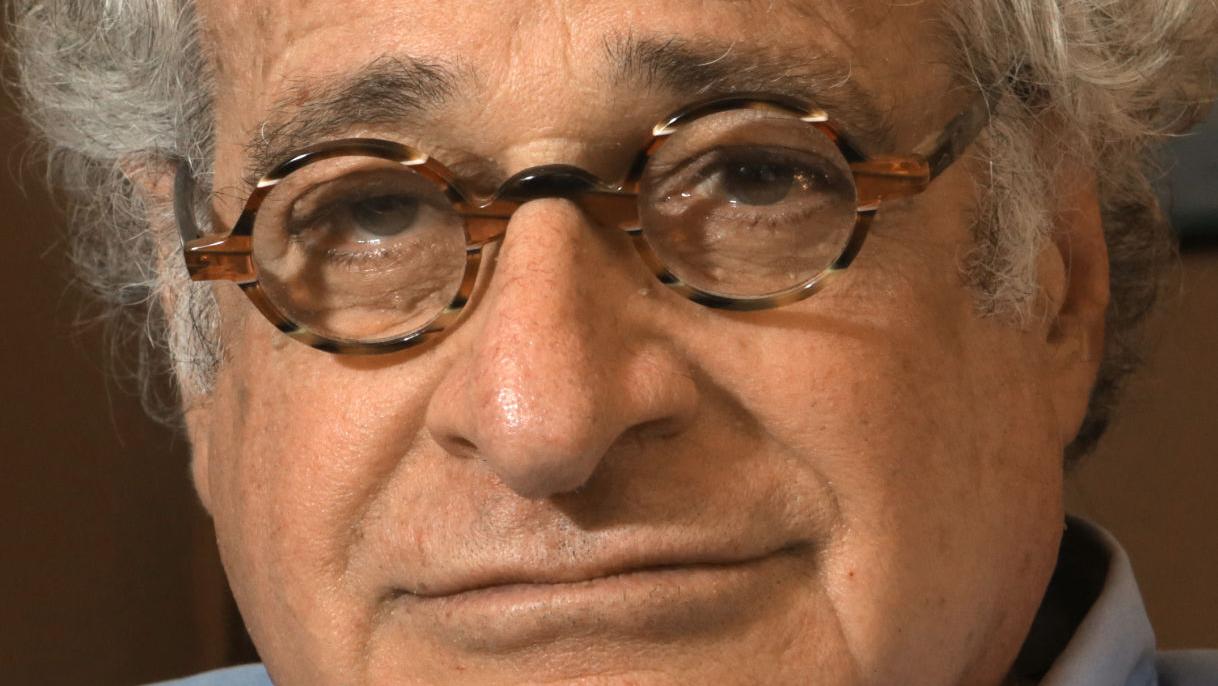
Mort Rosenblum
PARIS — The greatest show on Earth will stream down the Seine at the end of July: Boats and floats in vivid colors blasting joyful noise on opening day of the Olympics in this splendid city with origins as ancient as the games. Or not.
National teams are supposed to pass my houseboat by the Place de la Concorde within range of a popped champagne cork. But President Emmanuel Macron may call off the river spectacle, fearing terrorists armed with something more lethal.
“We can do it, and we will do it,” he told reporters. But he has an onshore Plan B across from the Eiffel Tower. And if intelligence reports flash overly red, Plan C is an intimate affair behind tight security at the 80,000-seat Stade de France north of town.
As a reporter, I ought to be there. But after watching a two-year runup tragicomedy of errors and wishful thinking, I’ll be watching on TV in Provence.
People are also reading…
I covered the 2000 Olympics in Sydney when police challenges ran to escorting a giant blimp condom and half-naked revelers in a gay-pride parade. Even with all-access press credentials in a laidback city, it was a constant crush of humanity.
It is a different world today. Edgy Doberman pinscher riot squads will patrol a locked-down Paris that expects 15 million visitors, seven times its normal population.
Organizers are scrounging to find 22,000 private rent-a-cops to back up 35,000 police officers. Another 18,000 French military are to secure public spaces, with divers in the river and drones overhead.
My guess is there will be no serious trouble. Those with Olympic spirit, sharp elbows and patience are likely to see the party of a lifetime. But how it all turns out is in the hands of the gods.
Anne Hidalgo, the Sun-Queen mayor of Paris, is eager to make a splash, and she pushed hard to center the Olympics around — and in — the Seine. But she had to delay her ceremonial dip the other day because the current was too strong.
The river is moody. If rains continue, it could flood its banks as it did last month. In June 2018, it rose to levels that would submerge front-row seats in the dignitaries’ grandstand. Even if it is calm enough for aquatic events, there is an overriding problem captured in a single French word: merde.
A BBC “Travel Show” host recently gushed that the Seine will be swimmable for the first time in 150 years because of a $1.5 billion basin dug into the Left Bank. As people who know the river warned at the outset, that turned out to be absurdly inadequate.
He interviewed a father and son who have spent years hauling up trash under Paris bridges. When he asked them if they would swim in the river, the kid looked horrified and replied, “Noooo!”
By the time it reaches Paris, the river is toxic with industrial chemicals, agricultural runoff and much else in its main channel and tributaries. When rains wash down city streets, it gets worse.
I just happened upon Donald Reid’s “Paris Sewers and Sewermen” from the Harvard University Press. He starts with the Middle Ages when excreta flowed into the Seine; he ends in the 1990s when it still too often still flowed into the Seine. Improved systems treat wastewater. But a lot more toilets are being flushed.
The Surfrider Foundation monitored bacteria for six months and reported: “Athletes will be swimming in polluted water and taking significant risks to their health.” If readings are too high, organizers plan a duathlon: running and cycling but no swimming. Other events might be canceled.
And there is a bigger picture.
Today’s Olympics — commercialized, politicized and overhyped — are far from their origins. Another book, Phil Cousineau’s “Olympic Odyssey,” makes this clear. It appeared as he returned to the Athens he knew well for the 2004 Olympics.
In a blurb, I wrote, “Cousineau evokes the Olympics in all their noble glory to show sports are only part of it; the timeless Games are about life itself.”
Those ancient games were revived in 1848 as a time-out from global strife. Phil quotes Pico Ayer, who called them “a model of our dreams of unity,” which “pay homage to the very sense of world loyalty.” These days, not so much.
Long before the Olympics were capitalized by branding, TV rights and such, an athlete’s reward was glory itself. Warring provinces declared truce and gathered in Athens for simple tests of strength and speed.
The first runners wore only olive oil, scraped on naked bodies with a bronze strigil to block the sun and keep dirt from clogging pores.
For me, watching the games with a bottle of ouzo in an old olive grove near the Mediterranean seems closer to the Olympic spirit than whatever happens in Paris.
Follow these steps to easily submit a letter to the editor or guest opinion to the Arizona Daily Star.
Renowned journalist Mort Rosenblum, a Tucson native, writes regularly for The Arizona Daily Star.