

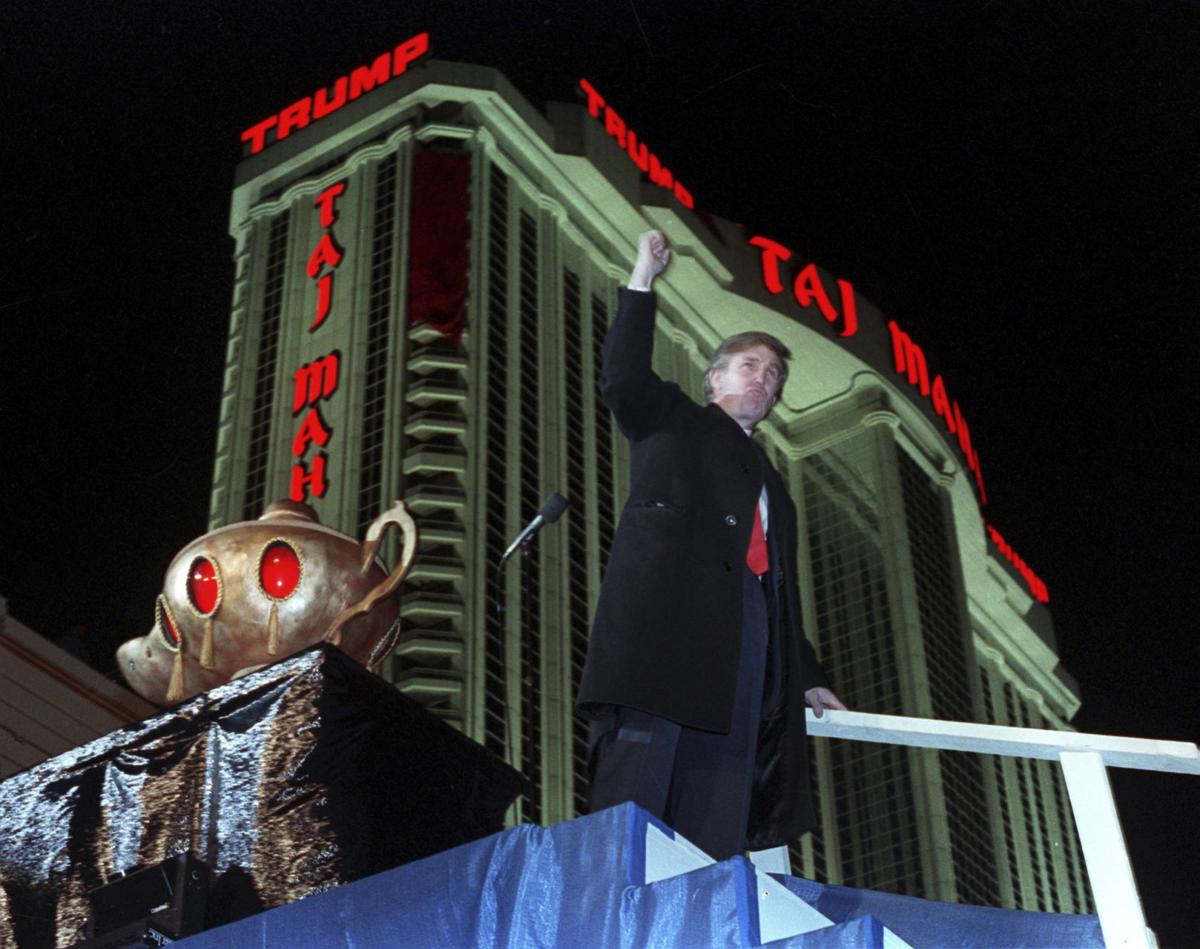
In the late 1980s, Trump was battling with entertainment mogul Merv Griffin for control of Resorts International, which had built Atlantic City's first casino, and was in the process of building what would eventually become the Trump Taj Mahal. The dust-up ended with Griffin getting the company and Trump taking over the unfinished casino that would become the Taj, which when it opened was the largest casino in the world.
Trump told New Jersey casino regulators he could hold down expenses because lenders were falling over themselves to lend him money at discount rates. But he eventually issued $675 million worth of junk bonds, carrying a 14 percent interest rate. An analyst at a Wall Street firm sounded the alarm about the project's spiraling debt and said the Taj Mahal would need to take in $1.3 million a day just to make its interest payments, something no other casino had ever done. Trump demanded the firm fire the analyst — and it did.
People are also reading…
Within a year of its star-studded opening in 1990, the Taj Mahal was bankrupt.

