
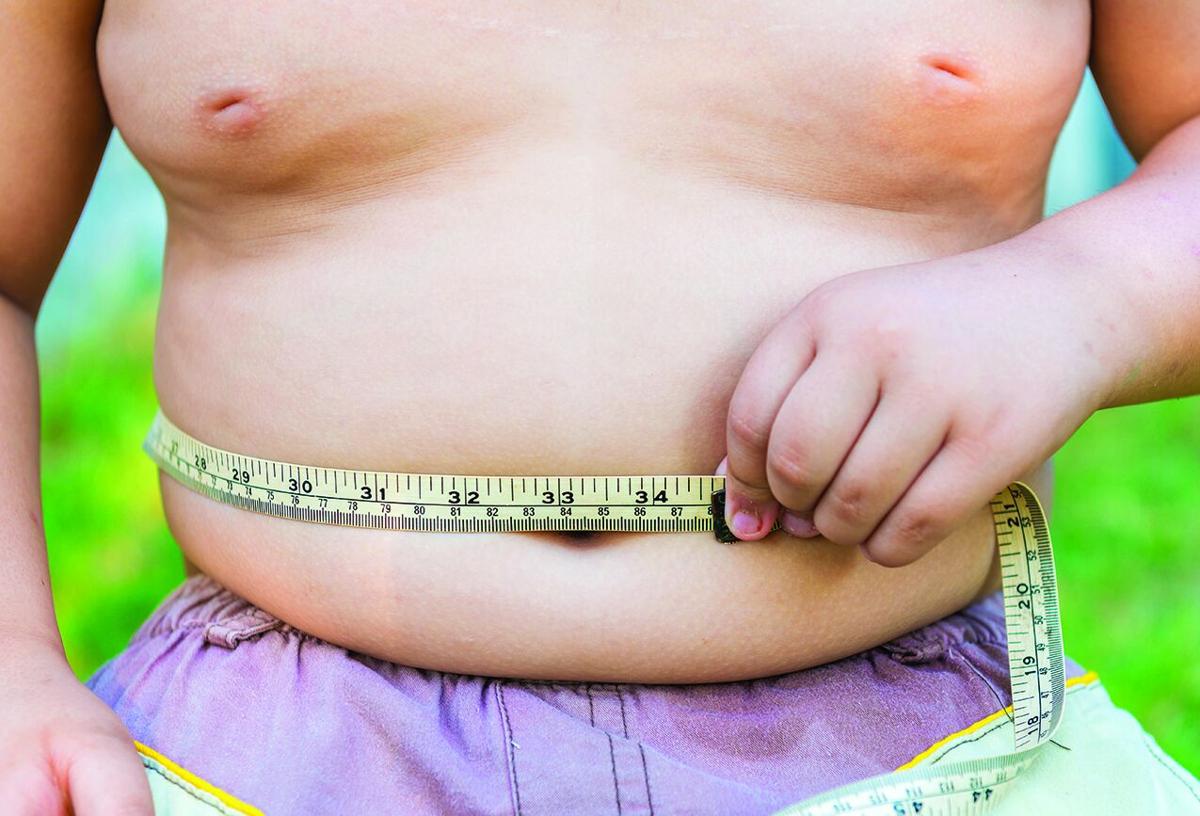
Childhood obesity is a complex condition with a variety of contributing factors. The Centers for Disease Control and Prevention indicates about one in five American children are obese. The Government of Canada says obesity rates among children and youth in Canada have nearly tripled in the last 30 years, with one in seven Canadian children now meeting the criteria for obesity.
According to the Cleveland Clinic, childhood obesity happens when a child is above a healthy weight for their age, height and sex. The medical definition defines childhood obesity as having a body mass index at or above the 95th percentile for age and sex in children aged 2 years and older. Children in the age range of 12 to 19 have the highest percentage of childhood obesity.
Individuals may wonder what factors are driving these statistics. Childhood obesity has many causes, and the following are some things caregivers should be aware of so that their childrens’ weights do not put their health at risk.
People are also reading…
• Genes: Childhood obesity is very much affected by a child’s genes inherited from parents. Nirvana Healthcare says one study found that 80% of kids were obese if both of their parents were overweight. Children with siblings who are obese are also more likely to develop the condition themselves. The Cleveland Clinic says studies show various genes may contribute to weight gain.
• Poor diet: The foods children eat contribute to weight gain and the development of childhood obesity. Dietary habits that include consuming high-calorie, low-nutrient foods and beverages put one at risk for becoming overweight or obese.
• Lack of physical exercise: The CDC says children who are physically active have stronger muscles and bones, better cardiovascular fitness, and lower body fat than those who are inactive. Kids ages three to five should be physically active throughout the day. Kids between the ages of 6 and 17 need at least 60 minutes of physical activity every day.
• Insufficient sleep: Insufficient sleep could be contributing to childhood obesity. The CDC says kids who don’t sleep enough are at risk for unhealthy weight gain, although researchers are still trying to learn how sleep is linked to weight gain.
• Behavioral factors and lifestyle: Snacking and dining out more frequently than cooking meals at home may increase risk for obesity. Increased screen time and sedentary behavior also influence the chances for childhood obesity to develop, says the Cleveland Clinic.
• Social determinants of health (SDoHs): SDoHs are factors in the environments where one lives, works, plays, and learns that can affect health. Some of the SDoHs include proximity to fast food restaurants, whether parks or recreational facilities are nearby, transportation access, accessibility of healthy food options, foods served in daycare centers, and more.
Obesity continues to affect many children, putting their health at risk now and in the future. Understanding contributors to this illness can enable families to make positive changes.