

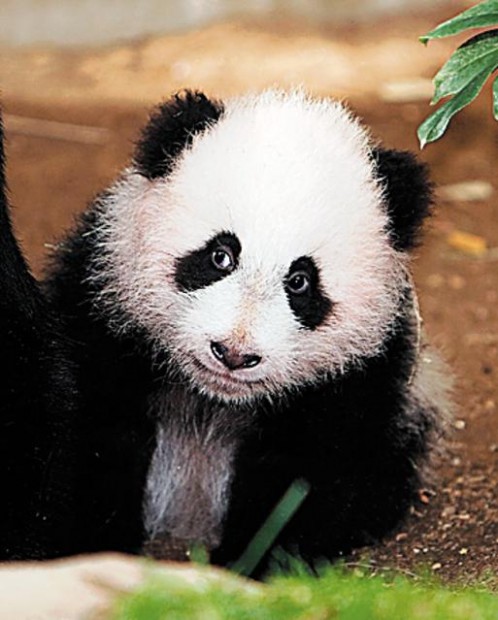
ATLANTA — Lun Lun and Yang Yang have needs.
They require an expensive, all-vegetarian diet — 84 pounds a day, each. They are attended by a four-person entourage, and both crave privacy.
But the real sticker shock comes from the fees that Zoo Atlanta and three other American zoos each must pay the Chinese government: $2 million a year to rent the pair of giant pandas.
For that, Dennis W. Kelly, chief executive of Zoo Atlanta, could take an aspirin.
Kelly's financial headache is one familiar to Hollywood's booking agents, but decidedly more novel to conservationists. He says Lun Lun and Yang Yang are draining the institution's coffers faster than they can be replenished — even though they are the zoo's star attractions.
It is not that pandas eat a lot, though they do. It is not even that their care runs five times what it costs to board the next-most-expensive animal — an elephant.
People are also reading…
But the leasing fees are what hurt the most.
Because of the costly loan obligations, Kelly has joined with the directors of the three other U.S. zoos — in Washington, San Diego and Memphis — that exhibit pandas to negotiate some budgetary breathing room. If no agreement with China can be made, Kelly said, the zoos might have to return their star attractions.
"If we can't renegotiate, they absolutely will go back," Kelly said.
"Unless there are significant renegotiations, you'll see far fewer pandas in the United States at the end of this current agreement."
San Diego's contract with China is the first to expire, in 2008. The last of the contracts, in Memphis, ends in 2013.