
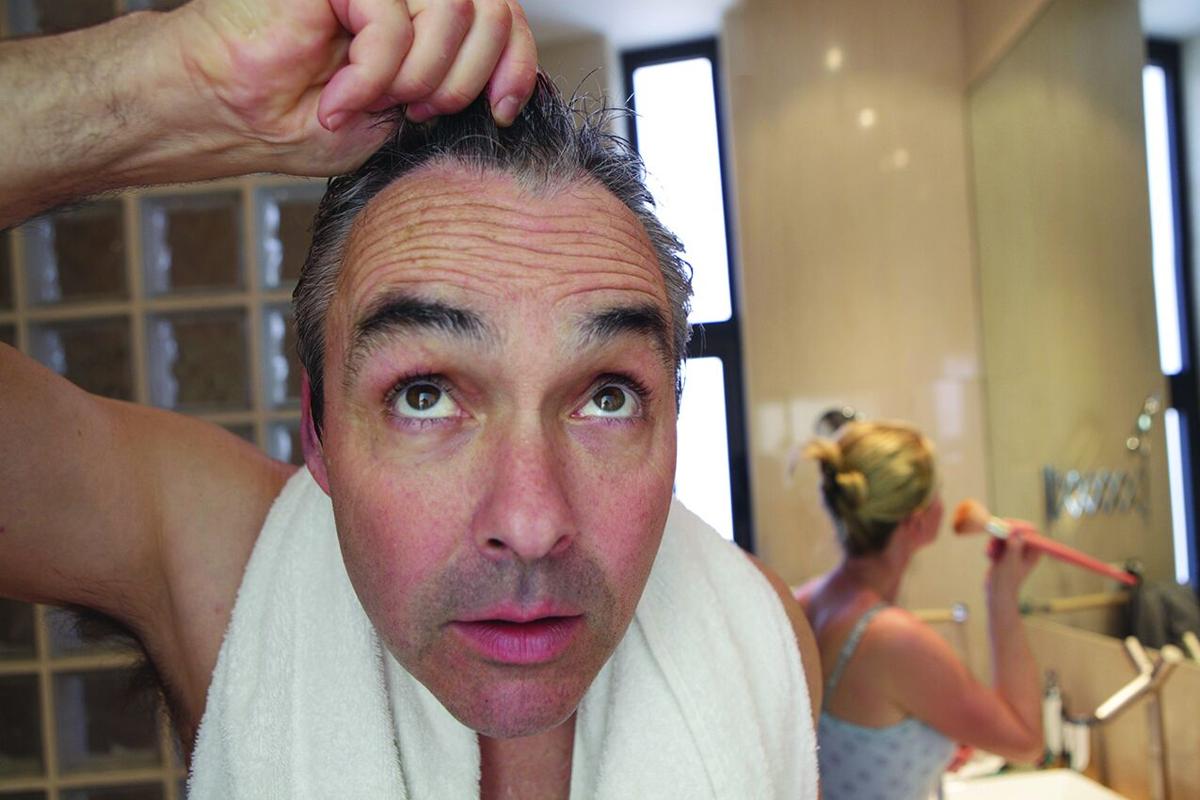
Hair loss is a concern for millions of people, including both men and women. The American Hair Loss Association says androgenetic alopecia, commonly known as male pattern baldness (MPB), is responsible for more than 95 percent of hair loss in men. By the age of 35, two-thirds of American men will experience some degree of noticeable hair loss. Hair significantly thins by the age of 50 in 85 percent of men. A study by the Canadian Dermatology Association indicates that MPB affects about 50 percent of men in Canada. Androgenetic alopecia also occurs in women, affecting around 30 million women in the U.S. Hair losss in women often increases with age and after menopause.
Hair loss can affect appearance and self-esteem. Understandably, people wonder if there is something they can do to delay hair loss or prevent it from occurring altogether. Although some forms of hair loss can be minimized or avoided by addressing certain medical conditions or lifestyle factors, the hair loss attributed to genetics cannot be avoided. Here is a deep look at some strategies to protect hair.
People are also reading…
- Go easy on hair. It is important to be gentle with hair. Many people are too rough when brushing, or use harsh chemical products or heat appliances. Limiting the use of these items and reducing the tension on hair from styles that use elastic bands, barrettes and braids can help reduce hair loss that results from ill treatment.
- Manage medical conditions. Certain medical conditions, such as thyroid disease, can affect hair loss. Hair loss may slow after receiving treatment and managing these illnesses.
- Try a cooling cap. The Cleveland Clinic suggests the use of a cooling cap during chemotherapy treatment. Such a device has been shown to reduce hair loss from cancer treatments.
- Cope with stress. Find healthy ways to cope with stress. The National Institutes of Health indicates researchers have linked stress to impairment of stem cells necessary for hair growth. Meditating, engaging in relaxing activities, laughing with friends and family, and additional ways to manage stress may improve hair health.
- Check your medications. Certain medications may affect hair loss. Several types of medications, such as beta-blockers, anticonvulsants, antidepressants, and anticoagulants, are linked to hair loss. Discussing alternatives with a doctor may help.
- Try baldness products and treatments. Medications are available to treat hereditary baldness. The most common include minoxidil, finasteride, spironolactone, and dutasteride. These are oral and topical treatments. In addition, the U.S. Food and Drug Administration has approved a low-level laser device as a treatment for hereditary hair loss in men and women. A few small studies have shown improvement in hair density. Hair transplanting procedures are an additional option.
Hair loss affects people all over the world. Some factors are controllable, while others are genetic.

 New Tucson lounge to embrace dark and cozy