The following column is the opinion and analysis of the writer:
“Beware a world where robots replace artists”, warned a recent op-ed in these pages.
What about robots replacing the rest of us, the rest of human life?
The End of the Human Era is nigh. Or so we are told by what seems like a consensus of those who have done the most thinking about where the trajectory of AI (artificial intelligence) is headed.
We should know the story by now: as soon as only a generation away AI, that product of human intelligence, on which we have become more and more dependent, will transcend and replace human intelligence. As more intelligent and competent in everything, it will start running things. Or something like that. The Human Era will give way to the Transhuman.
This will not be an extension of the human era, like the present but with ever cleverer and more capable Siris and Alexas at our beck and call. According to the late Stephen Hawking, “Once humans develop artificial intelligence, it will take off on its own and redesign itself at an ever-increasing rate.” Taking off on its own, it might, for instance, come up with the brilliant solution to cancer of simply eliminating the outmoded, vulnerable creature for whom cancer (or climate change) is a problem.
People are also reading…
Exactly what will happen to us is unclear, but some version of obsolescence or death — roughly, what happened to the Neanderthals when we homo sapiens came along.
This shouldn’t be all wild conjecture to us. We are far enough down the slippery slope to suggest plausibility. The unintended consequences of the digitalization of life are among the big stories of recent years — the hacking of elections and other threats to democracy, screens taking over the hearts and minds of our children and skewing social life in general.
The amazing thing is that although this technological end-time on the near horizon is hardly a secret we are apparently so comfortable with the idea of replacement by AI.
In fact it’s hard to find a company that doesn’t want its product associated in its TV commercials with those magic letters.
The very idea of handing over the future to our genius digital progeny suggests to this human the need for a Manifesto for a Human Future, if only to explain to ourselves why we shouldn’t go gently into that dubious future. It would seem that we have apparently reached the point in human history when we actually need to make a case for a human future, rather than a transhuman one.
A manifesto would start with asserting our basic responsibility and obligation not to commit suicide by AI. The human experience as an embodied creature with limits and vulnerability is the source of human meaning. For us there is, and can be, no meaning outside human, body-based meaning.
We oppose delegating the future to technology, even if the product of human genius, that will not share our situation. The very thing that makes computers superior, their lack of a vulnerable body, is what disqualifies them to make decisions for embodied creatures.
Humans have done and continue to do terrible things to the earth, to other creatures, to ourselves. But we have also done things that seem to us, at least, wonderful. And we must not delegate the authority to make the crucial distinction between baby and bathwater.
If transhumanism is where AI is headed, we should stop developing it.
Resisting technological change has long had a reputation for being both foolish and futile. Technology has been more or less synonymous with progress; we have had no right to oppose it. We here assert that it is not Luddism, that oft-ridiculed resistance to machinery, to recognize that sometimes progress means rejecting the latest technology. (Our current second thoughts about carbon-based industrialization, nuclear power and plastics come to mind.)
The truism “Change is inevitable” is both cynical and irresponsible in making it sound like change itself is an agent. or that all we have to do is wait and let AI itself decide our future. It is the responsibility of us humans of the here and now to decide about the human future based on our own sense of the meaning of human life.
Follow these steps to easily submit a letter to the editor or guest opinion to the Arizona Daily Star.

Brent Harold
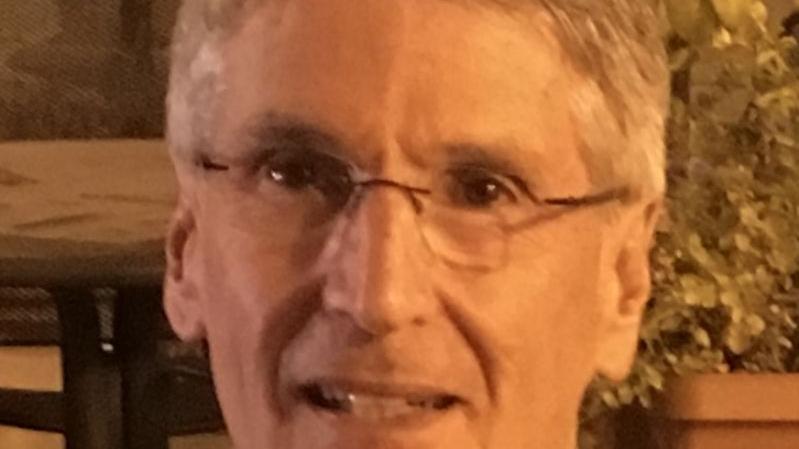
Brent Harold is a former English professor and writer. He lives in Tucson.