

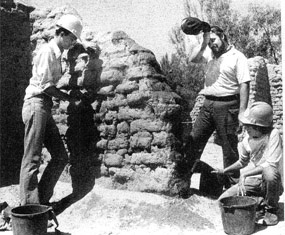
In 1960, an archaeologist working a site at old Fort Lowell “noted with awe” that the commanding officer’s quarters had an “indoor outhouse.” A luxury, which undoubtedly, the rest of the encampment did not get to share.
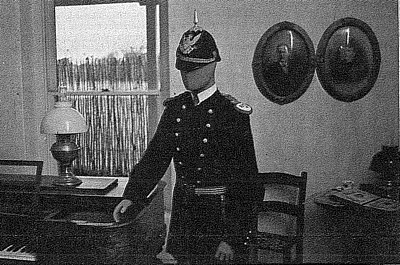
The commander’s quarters were quite respectable. The house had four bedrooms and that indoor privy. The adobe building was reconstructed in 1963 and again in 1983. It now serves as a museum operated by the Arizona Historical Society.
Following the Civil War, the U.S. Army had re-established a presence in the Tucson area. In 1873, the encampment named Camp Lowell, on the outskirts of Tucson, was moved about 7 miles to the east and north of Tucson. This was much to the relief of the commander who wanted to get his men away from such an “immoral metropolis.”
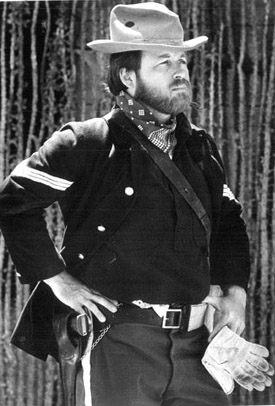
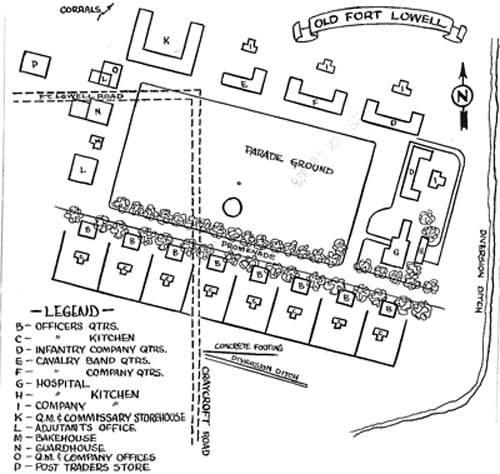
The camp was renamed Fort Lowell in 1885. It grew to include all the necessities of Army life, including a hospital. At its peak in the 1880s, Fort Lowell was home to over 230 soldiers and 18 officers.
People are also reading…
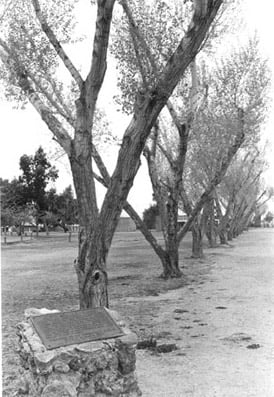
A line of cottonwood trees provided needed shade to the harsh desert environment. The trees were watered by an irrigation ditch from nearby Pantano Wash. When the soldiers left, most of the trees were cut down and sold as lumber. Cottonwood Lane was replanted in 1982 from cuttings off trees that were on the property.
The post was abandoned in 1891, the Army considered it no longer necessary. A petition by Tucsonans to save the fort was unsuccessful. A government auction was held to dispose of any materials of value. But, with the soldiers gone, the buildings were left to battle the elements of time on their own.
A restored Fort Lowell is once again open to public. It is located at East Fort Lowell and North Craycroft roads. More information on Fort Lowell is available at the Old Fort Lowell Neighborhood Association website.


 Faculty concerned about changes to U of A admissions policy
