If it weren't for federal money, the pandemic would have put Brownie's Sports Bar & Tavern out of business. Instead, the North Tonawanda restaurant is getting ready to expand.
When Covid hit, patrons of the usually busy bar and restaurant stayed home. When customers did show up, state capacity and spacing regulations limited how many could go inside.
With costs soaring, debts mounting and business ground to a halt, co-owner Steve Brown decided to close. But in March, after receiving a second round of Paycheck Protection Program funds totaling just under $180,000, it reopened. In May, it received roughly $265,000 from the Restaurant Relief Fund.
"It gave us new hope. It was like, OK, we can do this now. Let's reopen and hope things change," co-owner Steve Brown said.
And things are changing. The 18-employee restaurant is busy once again, capacity restrictions are gone and sales are close to what they were before the pandemic, when the restaurant was projected to hit $1.2 million in annual sales.
People are also reading…

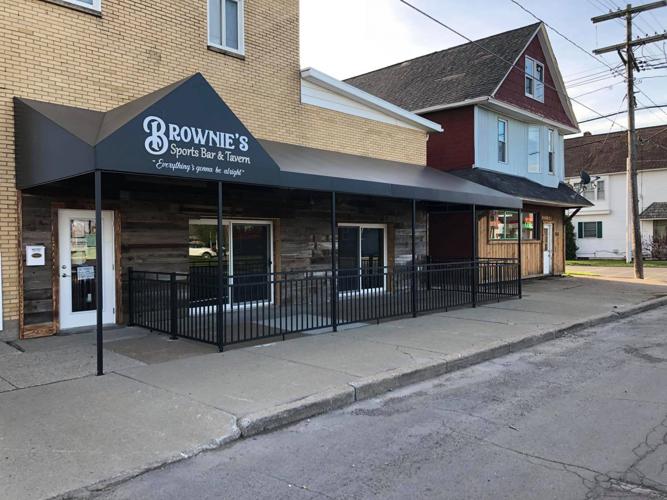
Brownie's Sports Bar and Tavern.
Soon, Brown will move forward with a planned expansion into the restaurant's adjoining warehouse to add a banquet facility and music hall.
Though challenges remain, restaurants in Western New York have begun to turn a corner now that Covid is in retreat. Some of the restaurateurs who have come out safely on the other side are crediting federal programs that kept them afloat.
In Erie County, roughly 197 restaurant and food companies split more than $52 million in Restaurant Revitalization Fund grants, according to recently released numbers from the Small Business Administration, which ran the program.
Those grants are a chunk of the $28.6 billion set aside for restaurants as part of the $1.9 trillion federal American Rescue Plan – the single largest earmark in the stimulus bill. Restaurateurs were able to apply for up to $10 million in grants to offset some of the losses caused by Covid, its effects on the economy and government shutdowns. Unlike the Paycheck Protection Program which went predominantly toward payroll costs, RRF funds could be applied toward a broader range of uses – including construction and maintenance.
Local numbers are in line with what was disbursed elsewhere in the country. In Erie County, grant approvals ranged from $1,031 (Panda Buffet in East Aurora) to more than $3.15 million (The Taproom @ the Lafayette), with an average grant amount of about $265,933.
Chef's Restaurant was awarded the second biggest grant (roughly $2.75 million), followed by Sear steakhouse. Sear has been closed since the pandemic, left its location at the Avant Building after suing its landlord and has not indicated whether it will reopen. It was awarded its grant in May.
While 11 grants totaled more than $1 million, eight grants totaled less than $10,000. Amounts were determined by a restaurant's gross 2019 revenue, minus its 2020 gross revenue and the total amount of its PPP loans. The totals listed by the Small Business Administration show what each company was awarded, but does not indicate whether the company accepted the money.
Still, a vast number of companies did not benefit from the program. The fund – which was not expected to be a panacea – ran out of money in June and turned away nearly three applicants for every one it approved.
Though businesses owned by veterans, women, people of color and members of the military were initially given priority, the policy was scrapped after a Texas lawsuit argued the practice violated equal protection laws. Some 3,000 priority loans that had already been awarded were rescinded.
That prompted calls from lawmakers to find more money for a second round of funding. A bipartisan bill seeks to replenish the Restaurant Revitalization Fund with another $60 billion.
"I will keep pushing to include this in our relief plans going forward so that restaurants can keep their doors open and New Yorkers can stay employed," Sen. Kirsten Gillibrand (D-N.Y.) said at a news conference Thursday.
In addition to the RRF money, Chef's Restaurant on Seneca Street received about $1.37 million in PPP funds.
"Chef's would've closed without it. I wouldn't be here talking to you," said owner Lou Billittier. "It was a lifesaver."

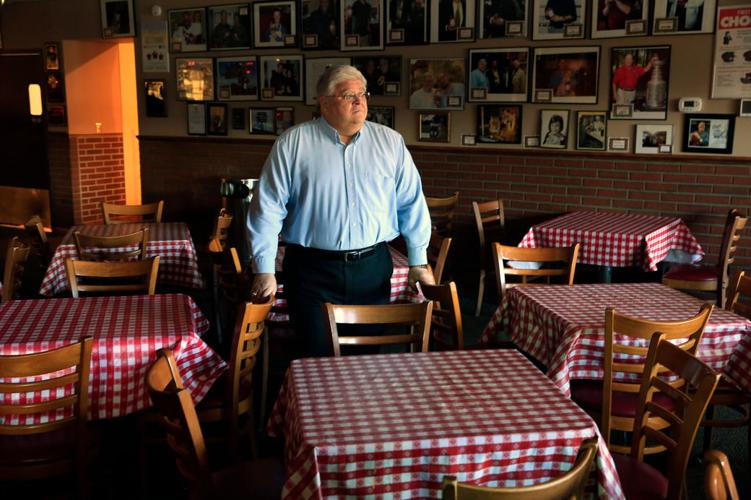
Chef’s owners Lou Billittier, shown, and Mary Beth Billittier are being sued after a deal they made to buy a building next to their Italian restaurant fell through over lack of financing.
Billittier, like Brown at Brownies, owns his building, so he did not have a mortgage to pay like many other restaurateurs. But he did deal with rising costs and $4.4 million in lost sales, he said. A chunk of his RRF money is going toward a new roof on the restaurant – a $300,000 repair.
"It's a lot of money but when you have these huge things that you've been putting off because of Covid, it'll eat it up pretty quick," Billittier said.

Owner Janice Wirth at Fit Fuel in Tonawanda.
Fit Fuel, a Town of Tonawanda meal prep service with eight employees that opened in 2019, received about $3,362. It wasn't a make-or-break amount of money, but owner Janice Wirth was grateful to have it.
The company pre-packages fresh meals for fitness-focused eaters. The company was just starting to take off after an intense advertising campaign and had big plans for 2020 when Covid hit.

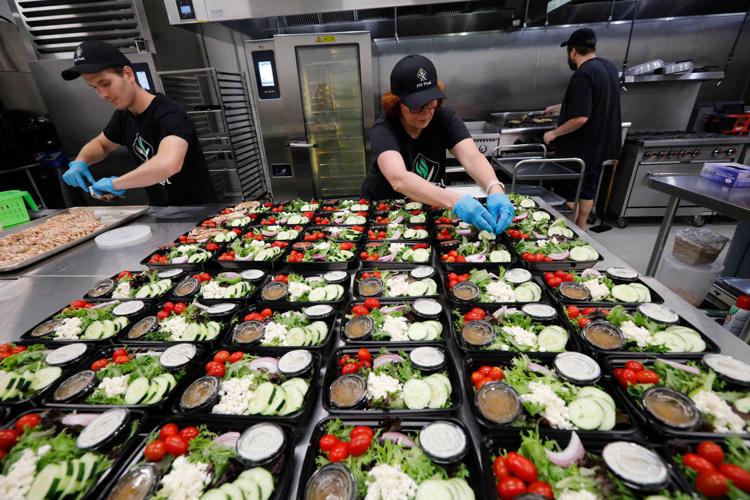
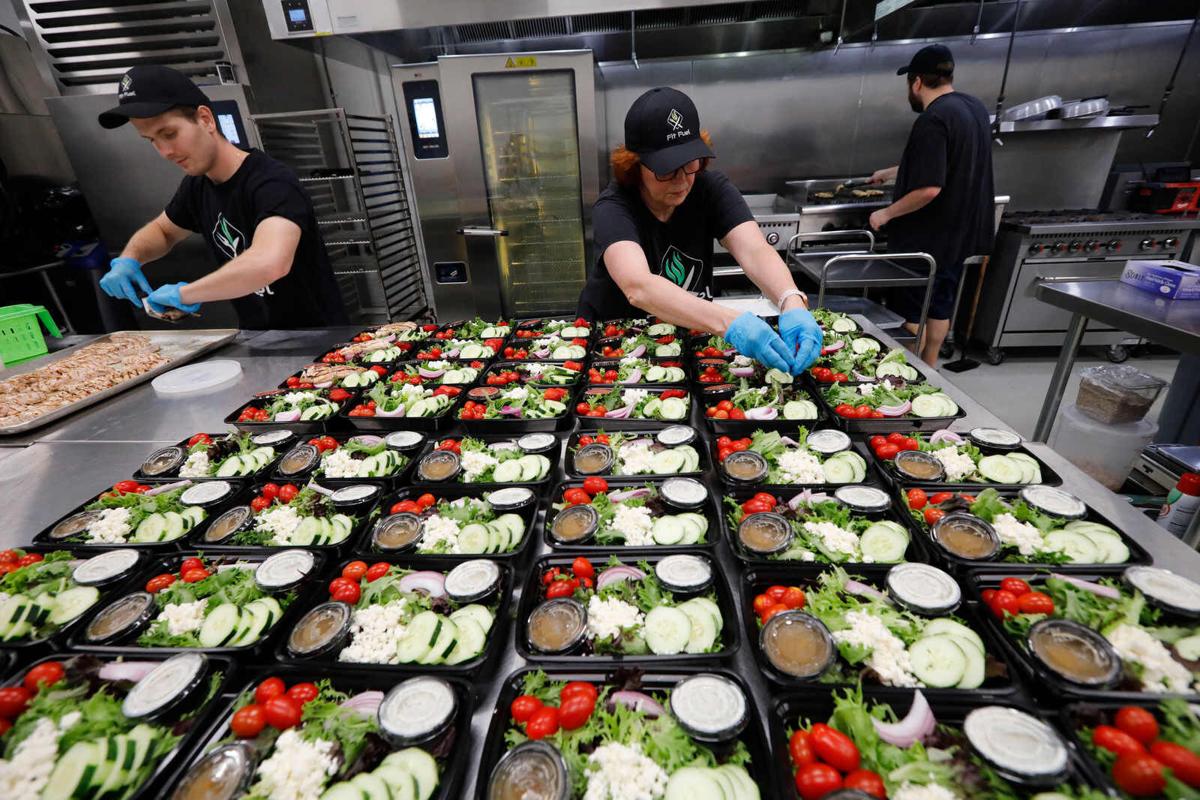
Sous chef Bobby Brauer, left, owner Janice Wirth and kitchen manager Patrick Wirth, right, prepare chicken souvlaki salads in the kitchen at Fit Fuel in Tonawanda, which specializes in healthy grab-and-go meals.
The company's customers were quarantined at home with time to cook healthy meals for themselves. Gyms were closed by the state to curb the spread of the coronavirus – including the BAC for Women that shares a plaza with Fit Fuel, and whose members made up a hefty portion of the company's clientele. The RRF money went toward rent and utilities. It also received another $8,800 during the second round of PPP.
"It helped us out," Wirth said.
Deputy business editor David Robinson contributed to this report.